
Summary
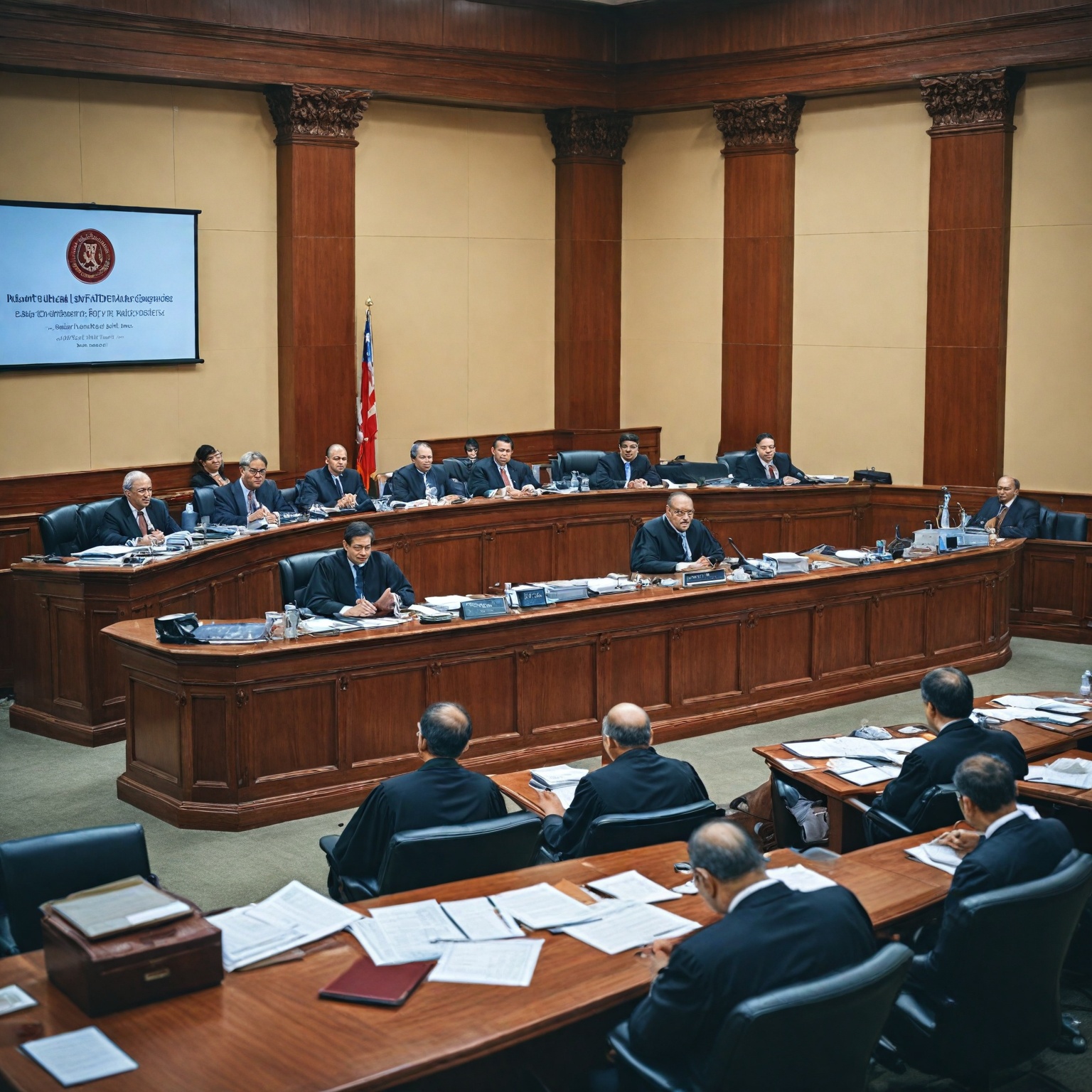
The Goods and Services Tax Appellate Tribunal (GSTAT) is a specialized judicial body established to adjudicate disputes arising under India’s Goods and Services Tax (GST) regime, serving as the first common appellate authority for both the Centre and the states. Its creation addresses the longstanding challenges faced by taxpayers who previously had to approach High Courts directly, a process marked by delays, high costs, and jurisdictional ambiguities. The GSTAT aims to provide a streamlined, uniform, and efficient mechanism for resolving GST-related appeals, thereby enhancing clarity and predictability in indirect tax administration across India.
Operationalized through legislative reforms introduced in the Finance Bill 2023 and the Tribunal Reforms Act 2021, the GSTAT has instituted procedural changes such as mandatory pre-deposit requirements and defined timelines for filing appeals, designed to reduce frivolous litigation and expedite case disposal. The tribunal’s rulings have significantly influenced GST jurisprudence by emphasizing procedural fairness, protecting taxpayer rights, and promoting consistency in the interpretation of complex GST provisions, including issues related to levy, classification, input tax credit, and refunds.
Despite its notable contributions, the GSTAT has faced criticism and challenges, including the slow establishment of state benches, administrative complexities, and concerns over procedural rigidity. These issues have occasionally hindered its ability to fully meet expectations of timely dispute resolution and uniformity. Nevertheless, the tribunal’s evolving framework and ongoing legislative amendments underscore its central role in shaping India’s indirect tax landscape and facilitating tax savings through clearer, more predictable dispute outcomes.
Looking forward, the GST Appellate Tribunal is poised to expand its impact on tax administration by fostering judicial consistency and supporting businesses in effective tax planning and compliance. As it matures, the tribunal is expected to address emerging challenges in digital taxation and e-commerce, thereby reinforcing a stable and transparent GST environment essential for economic growth.
Background
The introduction of the Goods and Services Tax Appellate Tribunal (GSTAT) represents a significant development in the resolution of disputes arising under the Goods and Services Tax (GST) regime. Prior to the establishment of the GSTAT, taxpayers were often compelled to approach High Courts directly to contest decisions related to levy, valuation, classification, eligibility of credit—including transitional credits—and refunds. This process proved to be cumbersome and inefficient, given the increasing number of disputes resulting from departmental audits, investigations, and scrutiny.
Recognizing these challenges, the GST Council approved the formation of a specialized appellate tribunal to provide a common forum for dispute resolution between the Centre and the states. The GSTAT serves as the first common appellate authority to ensure uniformity in dispute redressals and expedite the resolution process. It is empowered to hear second appeals under GST laws, functioning as a judicial body akin to a civil court for specific legal purposes. Members of the tribunal are appointed based on eligibility and age criteria, and the government retains flexibility to transfer members for administrative convenience. The tribunal mandates payment of appeal fees, which typically include tax, fine, interest, and penalties from the original order, with 20% of the disputed amount payable upfront as GST appeal fees.
The legislative framework underpinning the GSTAT combines provisions from the Central Goods and Services Tax (CGST) Act with reforms introduced under the Tribunal Reforms Act 2021. These legal provisions initiate the administrative process for operationalizing the tribunal and were recognized by the Supreme Court, which disposed of related Public Interest Litigations after hearing submissions from the central government on the tribunal’s setup.
The government’s Finance Bill 2023 included key amendments facilitating the constitution of the GSTAT, with a committee chaired by the finance secretary tasked with reviewing related frameworks. The bill also provides for the establishment of national and regional GST appellate tribunals to enhance accessibility and administrative efficiency. Although only the benches of the GSTAT have been notified so far, the President of the Tribunals has yet to assume office. The prompt functioning of the tribunal is expected to reduce the backlog of litigations and alleviate the workload of writ courts.
Institutional Developments in 2023
In 2023, significant institutional changes were initiated to strengthen the dispute resolution mechanism under the Goods and Services Tax (GST) framework in India. One of the key developments was the establishment of the Goods and Services Tax Appellate Tribunal (GSTAT), aimed at providing a dedicated platform for the adjudication of GST-related appeals. The Finance Bill 2023, passed by the Lok Sabha, included provisions to operationalize the GSTAT by combining the Central Goods and Services Tax (CGST) Act with the Tribunal Reforms Act 2021, thereby initiating the administrative process for setting up the tribunal and its state benches.
The GST Council played a crucial role in the phased implementation of GSTAT. During its 50th meeting, the Council decided on the locations for state benches of the Appellate Tribunal and set a timeline for its effectuation starting from 1 August 2023. Rules for the appointment of the President and members of the tribunal were also to be framed accordingly. Additionally, procedural relaxations such as allowing manual filing of appeals against orders related to TRAN-1 and TRAN-2 by migrated taxpayers were introduced to facilitate smoother operations.
Further refinements were proposed to enhance the appellate process. The 53rd GST Council meeting recommended amending Section 112 to allow a three-month window for filing appeals before the GSTAT, with the starting date to be notified by the government. The tribunal was also empowered to reject appeals involving amounts below Rs. 50,000 to streamline case handling. A sunset clause was suggested for anti-profiteering cases pending adjudication, with the hearing panel being shifted from the Competition Commission of India (CCI) to the principal bench of GSTAT. Moreover, the committee overseeing these processes was granted authority to direct officers to apply to the tribunal within six months from the appeal date, extendable by three months, if an order was deemed illegal or improperly passed.
Trade facilitation measures complementing the tribunal’s establishment were approved in earlier GST Council meetings. The 47th meeting endorsed amendments in CGST rules related to refund calculations in inverted duty cases and waiver of late fees for certain returns. The 49th meeting approved in principle the creation of a National Bench of GSTAT, to be headquartered in New Delhi, thereby centralizing higher-level appellate functions.
In 2024, the GST Council continued to evolve the appellate framework by recommending the introduction of a pre-deposit requirement of 10% of the penalty amount for filing appeals in cases involving only penalty demands under the CGST Act. This amendment was intended to discourage frivolous appeals and was to be implemented through relevant notifications.
Together, these institutional developments in 2023 and early 2024 mark a significant stride towards a more robust and efficient GST dispute resolution mechanism, aiming to provide clarity, speed, and fairness in the tax administration system.
Recent Rulings and Decisions by GSTAT
The Goods and Services Tax Appellate Tribunal (GSTAT) has played a significant role in shaping the interpretation and application of GST laws in India. Its rulings aim to ensure uniformity, fairness, and clarity in tax administration, thereby contributing to the evolution of indirect tax jurisprudence in the country.
One notable aspect of GSTAT’s recent decisions is the emphasis on procedural fairness and the issuance of well-reasoned Show Cause Notices (SCNs) by tax authorities. The Tribunal has underscored the necessity for tax authorities to provide taxpayers with clear grounds and adequate opportunity to address issues before imposing penalties or cancellations. For instance, in a recent ruling, the Madras High Court set aside a GST order issued against a deceased person, directing that the legal heir be granted a fresh opportunity to present the case. This highlights the Tribunal’s focus on protecting taxpayer rights and ensuring due process.
Additionally, GSTAT has influenced procedural reforms, such as the requirement for a minimum pre-deposit of 10% of the disputed tax before filing an appeal. This measure aims to streamline the appeal process and reduce frivolous litigation. The GST Council has recommended amendments to the CGST Act to extend the pre-deposit requirement to appeals involving only penalty demands, reinforcing the Tribunal’s role in curbing unnecessary legal disputes.
The Tribunal also addresses disputes arising from orders passed by adjudicating authorities and first appellate authorities, providing a vital forum for taxpayers dissatisfied with earlier decisions. Its rulings contribute to the consistency and predictability of GST implementation across states, thereby supporting businesses in accurately estimating tax liabilities and compliance obligations.
Impact on Tax Savings and Business Practices
The establishment and recent rulings of the GST Appellate Tribunal (GSTAT) have significant implications for tax savings and business practices in India. With the introduction of procedural changes such as the modification of Section 112 to allow a three-month window for filing appeals before the GSTAT, taxpayers now have a more defined timeline to contest decisions, potentially leading to improved tax planning and dispute resolution strategies. This clarity helps businesses better manage their cash flows and reduces uncertainty around tax liabilities.
Moreover, the requirement of a pre-deposit of 10% in cases involving only penalty demands before filing appeals, as per the amendment to Section 107(6) and Section 112(8) of the CGST Act, influences how businesses approach penalties and compliance issues. This pre-deposit rule could encourage earlier settlements and more cautious tax practices to avoid penalties, thereby indirectly aiding in tax savings by minimizing additional costs related to disputes.
The operationalization of state benches for the GSTAT, decided in earlier GST Council meetings, ensures localized and timely adjudication of tax appeals. This reduces delays and administrative burdens on businesses, enabling faster resolution of tax matters and more predictable tax outcomes. Such efficiency benefits businesses by reducing litigation costs and allowing more effective allocation of resources.
Furthermore, these tribunal rulings emphasize the necessity for taxpayers to maintain rigorous compliance and documentation standards. For instance, penalties arising from overstated claims or procedural missteps, such as in the Murphy v. Commissioner case, highlight risks associated with inaccurate tax filings and the importance of timely and accurate submissions to optimize tax savings.
Legal Principles and Grounds Cited in GSTAT Rulings
The GST Appellate Tribunal (GSTAT) primarily adjudicates disputes arising from the Goods and Services Tax (GST) regime, serving as a crucial forum for taxpayers aggrieved by decisions of the GST adjudicating authority or the first appellate authority. The legal principles underpinning GSTAT rulings often revolve around issues such as levy, valuation, classification, eligibility of input tax credit (including transitional credits), and refund claims. The tribunal ensures a uniform interpretation of GST laws across India, thereby fostering consistency and fairness in tax administration.
A key procedural principle enforced by the GSTAT is the requirement of a minimum pre-deposit of 10% of the disputed tax amount before an appeal is admitted, which applies except in certain penalty-only cases where similar pre-deposit conditions have been recommended for amendment under sections 107(6) and 112(8) of the CGST Act, 2017. Appeals where the amount involved (tax, input tax credit, fine, fee, or penalty) is below Rs. 50,000 can be refused admission by the tribunal, reflecting a threshold intended to streamline litigation and focus on substantial disputes.
The tribunal also adheres to strict timelines and procedural safeguards. For instance, appeals must be filed within three months from the date of the order by the adjudicating authority, with a maximum one-month condonation of delay allowed if sufficient cause is shown. Final acknowledgment of the appeal depends on the submission of the electronically filed documents along with verification within seven days, ensuring procedural completeness before the appeal is considered filed.
The grounds cited in GSTAT rulings frequently address the legality and validity of orders passed by lower authorities. If the tribunal finds that an order is not legally sustainable or improperly passed, it can direct officers to apply for an appeal within a prescribed period, ensuring that litigations are pursued in a timely and orderly manner. The tribunal’s decisions play a vital role in clarifying ambiguous provisions and evolving jurisprudence in the field of indirect taxation, thus impacting taxpayers’ strategies in managing their tax liabilities effectively.
Reactions and Commentary
The establishment and rulings of the new GST Appellate Tribunal (GSTAT) have elicited significant responses from various stakeholders in the taxation ecosystem. The Tribunal serves as an important forum of appeal for taxpayers aggrieved by decisions from the GST adjudicating authority or the first appellate authority, ensuring uniform interpretation of GST laws across India and fostering consistency and fairness in tax administration. Its role in clarifying ambiguous provisions has been widely acknowledged as crucial in developing jurisprudence in indirect taxation.
The Supreme Court’s recent acknowledgment of the administrative process for operationalizing the GSTAT, which led to the disposal of a Public Interest Litigation (PIL), has been viewed positively as a step towards streamlined dispute resolution. This move is expected to reduce litigation delays and provide faster relief to taxpayers, contributing to an improved business environment.
Moreover, decisions by the GST Council, which governs GST laws and policies through a consensus-based approach emphasizing cooperative federalism, have been instrumental in shaping the Tribunal’s framework and functions. The Council’s recent recommendation to amend provisions related to pre-deposit requirements for filing appeals before the Appellate Tribunal—specifically, a 10% pre-deposit in penalty-only demand cases—reflects efforts to balance taxpayer convenience with administrative efficiency.
However, some concerns remain regarding compliance issues, as highlighted by cases where penalties have been imposed due to non-filing of mandatory returns, such as the GSTR-9 annual returns for 2018. These instances underscore the Tribunal’s role in enforcing adherence while providing avenues for redressal.
Additionally, for businesses aiming to optimize tax liability estimation prior to invoicing, the availability of tools like GST calculators has been recognized as beneficial in navigating the complexities of GST compliance and tribunal rulings.
Challenges and Criticisms
The establishment and functioning of the GST Appellate Tribunal (GSTAT) have faced several challenges and criticisms since its inception. One significant issue was the absence of a dedicated GST tribunal for a prolonged period, which compelled taxpayers to approach High Courts directly. This situation often led to increased litigation costs, delays, and uncertainty regarding the appropriate forum for appeals, particularly when evaluating the merits and monetary impact of cases.
Additionally, the phased rollout of the GSTAT, including the setting up of state benches and appointment of members, has been criticized for its slow pace. Although the 50th GST Council meeting set timelines beginning August 1, 2023, for the tribunal’s operationalization and the establishment of state benches, the gradual implementation has been seen as a hurdle to timely dispute resolution.
Further criticism arises from procedural complexities faced by taxpayers, such as the manual filing of appeals in specific cases like TRAN-1 and TRAN-2 forms, which some view as cumbersome and outdated in an otherwise digital taxation environment.
The flexibility in tribunal composition, wherein appeals may be heard by one or two members in the absence of a full bench, while administratively necessary, has raised concerns regarding consistency and thoroughness of decisions. The government’s ability to transfer members between benches to suit administrative needs has also been debated, as it may affect the continuity and expertise of judicial proceedings.
Finally, despite constitutional provisions and recommendations by the GST Council regarding the tribunal’s jurisdiction and operational guidelines, ongoing amendments and the need for clear procedural rules have been pointed out as areas requiring further clarity and reform. The delayed constitution of the GSTAT and necessary legislative amendments have added to the uncertainty faced by taxpayers and legal practitioners alike.
Future Outlook
The establishment of the GST Appellate Tribunal marks a significant step toward streamlining the dispute resolution process under the Goods and Services Tax framework. As a common forum for appeals between the Centre and the states, the Tribunal is expected to foster uniformity and consistency in interpreting GST laws across India, thereby reducing ambiguity and enhancing the predictability of tax administration. This uniform interpretation will be crucial for taxpayers and businesses as it provides clearer guidance on compliance and dispute resolution, potentially lowering litigation costs and uncertainty.
Looking ahead, the Tribunal’s role is anticipated to expand with ongoing legislative amendments aimed at refining
The content is provided by Sierra Knightley, Know Heaven