Highlights
- Abandoned houses offer lower purchase prices but come with significant restoration challenges.
- Investing in these properties can revitalize communities while maximizing potential profits through strategic renovations.
Summary
An abandoned house, often marked by neglect and deterioration due to circumstances like foreclosure or personal issues, offers potential investment opportunities. While purchase prices are generally lower than market value, buyers must navigate complex legalities, outstanding debts, and extensive repairs. To evaluate whether such a property is a viable investment, conducting thorough inspections and due diligence is critical. Understanding the local legal framework is equally important, as it directly influences purchasing and ownership decisions.
Overview of Abandoned Houses
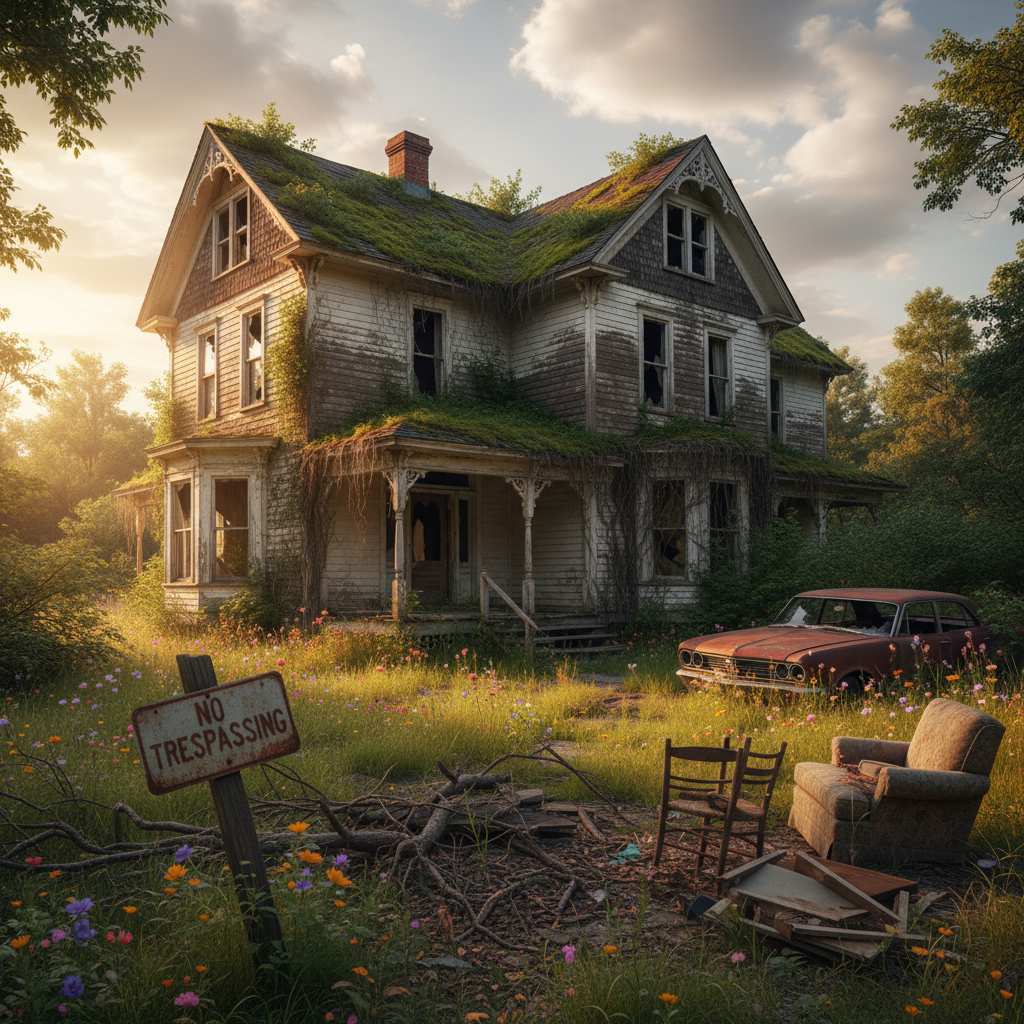
An abandoned house is typically a property that has been left unoccupied for significant time, often due to foreclosure or personal circumstances. The duration for a house to be classified as abandoned varies by jurisdiction, affecting ownership and purchasing implications. These homes often exhibit physical deterioration from the elements, vandalism, and other neglect, making inspections essential to gauge structural damage and repair needs. Being aware of the local market and community impacts of abandoned properties can enhance understanding of the risks and opportunities involved in acquiring these homes.
Legal Considerations
Understanding the legal landscape surrounding abandoned houses is key to informed purchasing. This includes a thorough title search to uncover ownership details and potential liens that could complicate the transaction. Many abandoned houses carry unresolved tax obligations or legal claims, so consulting local government resources and real estate professionals may provide clarity on these issues. Buyers must also recognize the potential for municipal regulations that affect property maintenance and ownership, highlighting the need for due diligence when considering such properties.
Financial Aspects
Purchasing an abandoned house can be financially advantageous due to lower purchase prices. However, potential buyers should carefully assess the overall financial commitment, which includes acquisition costs, renovation expenses, and ongoing holding costs. Financial strategies vary depending on the acquisition method, whether through auctions or direct sales, each carrying their own risks and requirements for clarity on liens and taxes. A careful budget that factors in inspection and repair costs is crucial for financial viability.
Renovation and Repair Costs
Renovation costs for abandoned properties can vary dramatically, influenced by the extent of needed repairs and updates. Structural damages, mold, and outdated systems can escalate costs rapidly, often exceeding initial estimates. Comprehensive planning and obtaining professional estimates can help manage these expenses while ensuring a safe and habitable home.
Weighing Benefits Against Risks
While financial challenges exist, the potential for significant returns in value after renovation can attract investors. A calculated approach encompassing thorough inspections and careful budgeting will help mitigate unexpected issues and optimize the investment outcome.
Inspection and Evaluation
A thorough inspection of an abandoned house is critical before purchase. Engaging a professional inspector will help assess structural integrity and identify potential repairs. Buyers should consider all aspects of the property, including signs of infestation and legal encumbrances, which can influence the renovation scope and associated costs.
Buying Process
Navigating the purchase of an abandoned house involves detailed research and planning. Locating these properties is often the first challenge, requiring creativity and persistence. Confirming ownership through a title search is essential to avoid complications at closing, particularly with outstanding taxes or foreclosures that may influence financial responsibility. Before making an offer, a professional inspection should inform the buyer’s decision, factoring in repair needs and financing challenges typical for properties in such conditions.
Renovation and Restoration
Renovating abandoned houses demands careful planning and significant financial investment, especially for structural repairs and modernization. Developing a prioritized repair plan can help manage costs, and buyers should be prepared for possible extended timelines and complex bureaucratic processes. The potential increase in property value post-renovation offers a promising return on investment, yet careful consideration of renovation scope and available resources is vital for success.
Risks and Challenges
Abandoned houses come with various risks, including structural damage, legal disputes, and unexpected costs. It’s crucial to engage experienced professionals to assess property conditions before purchase, ensuring buyers are fully informed about potential safety hazards and financial implications. Legal complexities, including unclear ownership or unpaid taxes, may require additional effort to resolve, adding further layers to the purchasing process.
Benefits and Opportunities
Investing in abandoned houses can yield substantial benefits such as lower competition and customization opportunities during renovation. Revitalizing these properties can enhance neighborhood safety and improve overall property values. While the associated risks are notable, strategic planning and financial foresight can turn these unique opportunities into profitable ventures.
Tips for Prospective Buyers
Potential buyers of abandoned homes should approach the process with diligence and flexibility. Conducting detailed inspections and researching financial histories are vital to uncover hidden costs. Awareness of potential squatters or legal complexities can prepare buyers for additional challenges. Engaging knowledgeable professionals and defining a clear investment strategy will help navigate the nuances of abandoned house acquisitions effectively.
Notable Cases and Examples
Legal challenges often arise in determining the status of abandoned properties, affecting possession and reclamation efforts. Communities have employed various strategies to manage and revitalize these homes, but complexities like fraudulent claims can hinder progress. Renovation costs can vary widely, making financial planning essential for achieving successful outcomes in such projects.
The content is provided by Blake Sterling, Know Heaven