Summary
The Gulf Cooperation Council (GCC) countries, notably Qatar, Saudi Arabia, and the United Arab Emirates, are undergoing a profound economic and cultural transformation as they strive to diversify their economies beyond hydrocarbon dependence. Driven by the volatility of global oil markets and the global shift toward renewable energy, these nations are investing heavily in non-oil sectors such as technology, manufacturing, financial services, and tourism. Qatar’s National Vision 2030, for instance, aims to boost its manufacturing output by 30% and create over 100,000 jobs by 2025, reflecting a regional push toward knowledge-based economies and sustainable growth.
Amid these modernization efforts, traditional cultural practices remain vibrant and economically significant. In Qatar, elite camels symbolize both heritage and wealth, supported by government initiatives that preserve camel racing and related festivals while integrating technological innovations like robotic jockeys. These activities not only maintain cultural pride but also contribute to tourism and economic diversification, illustrating the unique interplay of tradition and innovation in the Gulf.
Simultaneously, Gulf countries are fostering advanced technological sectors, particularly in green transportation. Qatar is leading regional adoption of electric vehicles (EVs) through expansive infrastructure projects, government incentives, and partnerships with global manufacturers, positioning itself as a hub for automotive innovation. Public transport electrification plans and initiatives to electrify commercial fleets further underscore the commitment to environmental sustainability within broader diversification strategies.
At the geopolitical and economic forefront, the Gulf states have announced multi-trillion-dollar investment frameworks with the United States, encompassing business, military, and technology sectors. While these deals symbolize a strategic alignment and ambition to deepen ties with global powers, analysts caution about the feasibility of these commitments amid fluctuating oil revenues and geopolitical uncertainties. This complex mix of rapid modernization, cultural preservation, and high-stakes diplomacy defines the evolving landscape of the Gulf region’s economic and social future.
Background
The Gulf Cooperation Council (GCC) countries, including Qatar, Saudi Arabia, the United Arab Emirates (UAE), and others, are undergoing significant economic transformation driven by the need to diversify their economies beyond hydrocarbon dependence. Traditionally, hydrocarbons and related products have dominated exports, representing over 80% in several member states and exceeding 90% in some cases like Kuwait and Qatar. However, the volatility of the global oil market, coupled with a global shift towards renewable energy, has prompted GCC countries to prioritize economic diversification through the development of non-oil sectors such as financial services, technology, manufacturing, and tourism.
In Saudi Arabia and the UAE, robust growth in non-oil private investment and the launch of large-scale giga projects have been key drivers of economic expansion, particularly in wholesale, retail trade, construction, and transportation sectors. Qatar, under its National Vision 2030, aims to increase the value of its manufacturing sector by 30% between 2019 and 2025 and to employ more than 100,000 people in the industry, supported by initiatives to foster industrial innovation and develop a knowledge-based economy. These efforts include collaboration between national and international organizations to train local talent and provide financing to growing businesses, creating a more resilient industrial ecosystem within the region.
Beyond economic transformation, traditional cultural elements remain vibrant in Qatar. Camel racing, for example, continues to be a popular and culturally significant sport. Al Shahaniya in Qatar offers visitors the opportunity to witness camel training and admire some of the best-groomed and most expensive camels in the world. This sport is so popular in the country that it has a dedicated television channel broadcasting camel races regularly.
The geopolitical landscape and economic ambitions of GCC countries are also shaped by their relationships with global powers. Economic deals and collaborations are viewed not just as regional competition but as strategic moves to strengthen ties with the United States and enhance the Middle East’s global economic attractiveness. Through such multidimensional strategies, the Gulf countries are positioning themselves to navigate geopolitical turbulence while pursuing ambitious visions for sustainable growth and diversification.
Emerging Technologies and Innovations in the Gulf
The Gulf Cooperation Council (GCC) countries, including Qatar, are actively pursuing technological advancements and innovative strategies to diversify their economies and enhance global partnerships, particularly with the United States. Economic deals focusing on business, military, and technological cooperation underscore the GCC’s intent to position themselves as prime collaborators with the U.S. in emerging sectors.
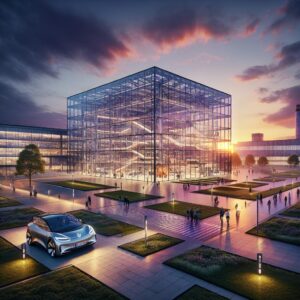
A key area of innovation is the promotion of green transportation to address climate change and pollution. Qatar, in particular, is making significant strides toward carbon neutrality by fostering the adoption of electric vehicles (EVs). This is supported by government initiatives that offer tax rebates and incentives to boost consumer interest in EVs, alongside expanding EV car-sharing services that cater to environmentally conscious users. Commercial vehicles are anticipated to hold a substantial share of the electric vehicle market between 2024 and 2030, driven by government strategies aimed at electrifying school buses, public transport, and metro feeder services. Substantial investments in infrastructure development further support this transition.
Consumer demand for electric cars is also growing, bolstered by Qatar’s high GDP per capita and proactive infrastructure development, such as the widespread installation of fast charging stations guided by the General Electricity and Water Corporation (KAHRAMAA). Qatar serves as a regional launchpad for new EV models from global car manufacturers including Volkswagen, Toyota, Lexus, and BMW, emphasizing the country’s pivotal role in automotive innovation within the region.
Public transportation is undergoing a notable transformation, with state-owned companies like Mowasalat operating over 700 electric buses and planning full electrification of their bus and taxi fleets by 2030. This transition includes hybrid-electric taxis and green financing options from financial institutions to support consumer adoption of EVs. These efforts create substantial opportunities for international collaboration, particularly with the U.S., in the sustainable transport sector.
Beyond transportation, the Gulf is intensifying efforts to build resilient and knowledge-based economies by fostering industrial innovation and economic diversification. Qatar’s National Vision 2030 highlights a projected 30% increase in manufacturing output by 2025, with over 100,000 people employed in the sector. Partnerships with global organizations and initiatives to train local talent and finance growing businesses are central to these diversification efforts, positioning industrialization as a blueprint for future economic growth in the region.
Complementing these technological and industrial innovations, unique regional services such as advanced vehicle branding are thriving. Companies in Qatar offer customized branding solutions for cars, trucks, buses, and even yachts, reflecting the merging of technology with marketing and cultural identity.
Elite Camels: Tradition, Culture, and Modernization
Camels in Qatar represent far more than traditional desert companions; they are powerful symbols of status, cultural pride, and economic value. Over generations, camels have evolved from being primarily a mode of transportation to becoming prized assets that signify wealth and luxury, especially in the Middle East where camel ownership often reflects social standing. This transformation underscores the deep connection between Qatari culture and its nomadic heritage, with camels embodying traditions passed down through centuries.
The government of Qatar has actively invested in preserving and promoting this heritage by organizing camel-related events such as races, beauty contests, and exhibitions. These initiatives serve a dual purpose: they honor the rich history of camels within Qatari society while simultaneously boosting tourism by offering unique cultural experiences to visitors. The Qatar Camel Festival, for example, highlights the importance of camels in the region’s identity and educates new generations about their ancestors’ relationship with these animals. This cultural emphasis is particularly visible during major events like the FIFA World Cup, where the presence of camels attracts significant tourist interest despite the increased demands placed on the animals.
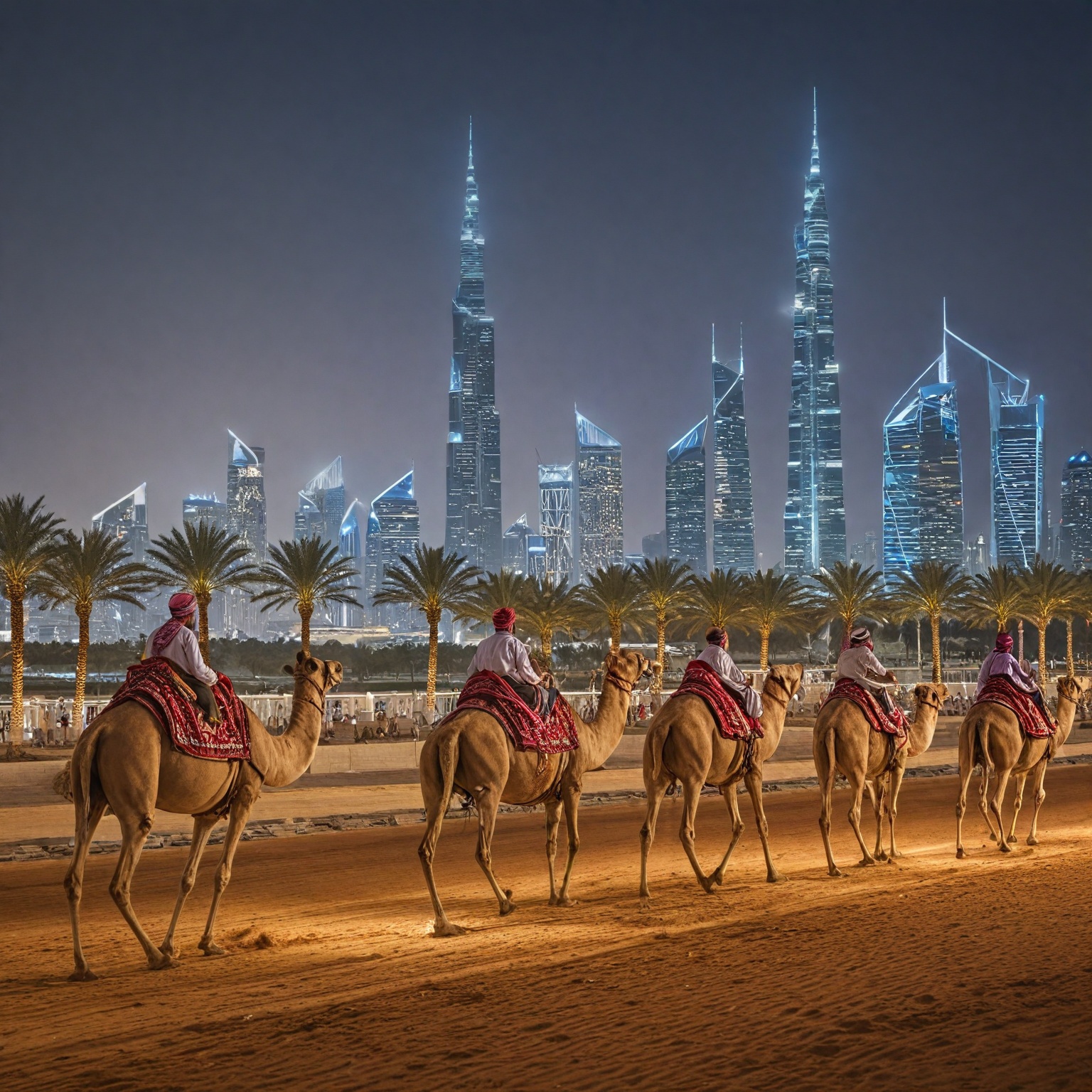
Modernization has also shaped the camel industry in Qatar, blending tradition with technological innovation. Camel racing, a centuries-old sport, now incorporates robotic jockeys controlled remotely by trainers, enabling races where camels reach speeds of up to 40 km/h in short sprints and maintain steady paces for longer distances. These lightweight robotic jockeys, equipped with speakers and colorful silks, not only enhance the sport’s spectacle but also ensure humane treatment of the camels while preserving the competitive spirit of the races. Visitors can engage with this modernized tradition by visiting facilities such as the virtual camel city, where stables and race activities are showcased.
Moreover, the camel’s role extends beyond cultural symbolism to becoming an economic asset within Qatar’s efforts to diversify its economy. By integrating traditional practices with modern tourism and entertainment, camels contribute to a resilient and knowledge-based economy in the Gulf Cooperation Council (GCC) region. The sustained promotion of camel culture aligns with Qatar’s broader goals of industrial innovation and economic diversification, fostering entrepreneurial opportunities in related industries such as breeding, racing, and cultural tourism.
High-Value Economic Projects and Trillion-Dollar Promises
In recent years, Gulf countries have made headline-grabbing commitments to invest enormous sums in the United States, reflecting a strategic push to deepen economic and geopolitical ties. Qatar, Saudi Arabia, and the United Arab Emirates have each announced multi-trillion-dollar economic frameworks and projects that underscore their ambitions to be primary partners with the U.S. in business, military, and technology sectors.
Qatar and the U.S. agreed on a $1.2 trillion “economic exchange,” signaling a substantial enhancement in bilateral economic relations. Meanwhile, Saudi Arabia pledged to invest $600 billion in the U.S., including what stands as the largest weapons deal ever signed: a $142 billion arms agreement expected to unfold over several decades. The United Arab Emirates also committed to significant investments, with Abu Dhabi unveiling a 10-year, $1.4 trillion investment framework targeting diverse sectors in the U.S.
Despite the impressive figures, some analysts express skepticism about the realism of these commitments, especially given the backdrop of low oil prices and reduced revenues for crude-producing countries. These financial headwinds may impact the speed and scale at which these deals materialize. Nonetheless, the symbolism and intent behind the agreements remain clear: Gulf states are eager to cement their positions as leading economic and strategic partners of the United States.
Ahmed Rashad, an assistant professor of economics based in Abu Dhabi, framed these announcements not as a competition among Gulf countries themselves but rather as a regional contest to foster closer relations with the U.S. administration, especially when compared to other global players like Europe. He noted that these economic deals are crucial in enhancing the Middle East’s appeal to the U.S. and serve the broader goal of strengthening Gulf Cooperation Council (GCC) ties with the United States.
Major components of these agreements, such as Qatar’s record order of 210 Boeing jets, exemplify the long-term nature of these partnerships, with many projects expected to take decades to fully implement. Collectively, the Gulf countries’ trillion-dollar promises reflect a strategic alignment with the U.S., driven by shared economic and security interests as well as the desire to diversify and modernize their economies beyond oil dependency.
Intersection of Technology, Tradition, and Economy
The Gulf Cooperation Council (GCC) countries are undergoing a transformative period where technology, tradition, and economic strategy converge to shape a new regional identity and growth trajectory. This intersection is particularly evident in the simultaneous advancement of innovation hubs and the preservation of cultural symbols like camels, all within the broader push for economic diversification.
Central to this transformation is the GCC’s commitment to reducing reliance on fossil fuels and expanding non-oil sectors such as financial services, technology, manufacturing, and tourism. In 2024, non-fossil fuel industries in the Gulf grew by 3.7%, signaling a gradual but deliberate shift towards more sustainable and resilient economic models. To facilitate this transition, Gulf nations have introduced schemes aimed at attracting investment, including golden licences and visa residency permits, underscoring their eagerness to become global innovation and business destinations.
Qatar’s National Vision 2030 exemplifies this approach, projecting a significant expansion of its manufacturing sector to employ over 100,000 people by 2025, alongside a 30% increase in production value since 2019. This growth is supported by partnerships with global organisations that foster local industrial ecosystems through talent development and financial support. Such initiatives highlight how industrialisation and innovation are viewed as essential blueprints for the region’s economic diversification and future resilience.
Amid this rapid modernization, traditional elements like camels remain deeply embedded in Gulf culture but have also adapted to new economic roles. Far from being relics of the past, camels today symbolize status, luxury, and cultural pride, serving as valuable assets in modern sectors such as camel racing, breeding, and tourism. Their evolving role illustrates how tradition is preserved and repurposed to contribute meaningfully to the contemporary economy, merging heritage with economic opportunity.
This blending of cutting-edge technology and cultural tradition is pivotal as Gulf countries seek to navigate geopolitical challenges, stimulate growth, and lead a just energy transition. By fostering innovation hubs alongside cultural tourism and traditional industries, the GCC aims to build stronger, more inclusive economies that honor their rich heritage while embracing future potentials.
Challenges and Criticisms
The increasing personalization of geopolitics in the Gulf region, exemplified by high-profile visits such as former President Trump’s trip, has drawn both attention and skepticism. Experts like Taufiq Rahim have noted that the ornate displays and flattery surrounding these visits often overshadow the substantive evaluation of agreements made, raising questions about the long-term viability and impact of the investments announced during such events. This dynamic suggests that while diplomatic pageantry may facilitate deals, it also complicates objective assessments of their practical outcomes.
In addition to geopolitical concerns, Gulf countries face significant challenges in their ambitious sustainability and green transportation initiatives. Although Qatar has set forward-looking renewable energy targets and developed an electric vehicle (EV) infrastructure plan—such as installing over 600 charging stations for electric buses ahead of the 2022 FIFA World Cup—there remain doubts about the durability and scalability of these efforts. The transition away from fossil fuel-based vehicles is encouraged by government incentives, but the broader shift towards a sustainable economy demands consistent policy support and technological innovation, which may be difficult to maintain amidst fluctuating economic and political conditions.
Economic uncertainties also pose challenges to the region’s growth prospects. Global forecasts predict a relatively modest growth rate of 3.1 percent over the next five years, constrained by structural headwinds and elevated policy uncertainty. Potential risks include financial market volatility, disruptions in commodity prices due to geopolitical tensions, and difficulties in monetary policy adjustments. For instance, tight monetary policies are expected to persist in many G-20 economies through 2024, even as some emerging markets begin easing rates. Such divergence could trigger capital flow volatility, complicating the financial environment for Gulf countries as they seek to attract investment and sustain development projects.
Taken together, these factors highlight the multifaceted challenges facing Gulf nations as they navigate the complex interplay of geopolitical showmanship, ambitious sustainability goals, and economic uncertainties. The success of their endeavors will likely depend on addressing these criticisms and implementing policies that prioritize long-term stability over short-term spectacle.
Future Prospects
The future economic outlook for Gulf countries, including Qatar, is shaped by a combination of sustained growth in the hydrocarbon sector and an ambitious agenda for economic diversification. In the near term, the external sector remains strong, supported by gradually narrowing current account surpluses driven by robust domestic investments. Growth is expected to accelerate from 2025 onwards, buoyed by a recovery in oil production and continued strength in both hydrocarbon and non-hydrocarbon sectors, although overall GCC output growth in 2024 is projected at a moderate 1.5%, slower than previously anticipated due to extended oil production cuts.
Long-term prospects are underpinned by a strategic shift towards diversification away from oil dependence. This transition is essential given the global energy market volatility, price shocks, and the accelerating move towards renewable energy sources that signal a long-term decline in hydrocarbon demand. Gulf states are actively fostering growth in non-oil industries such as financial services, technology, manufacturing, and tourism to build more resilient and sustainable economies. The non-fossil fuel sectors in GCC countries have already expanded by 3.7% in 2024, supported by policies aimed at attracting foreign investment and talent, including initiatives like golden licenses and visa residency permits.
The content is provided by Harper Eastwood, Know Heaven