VW Set to Close Its Historic Dresden Plant: What This Means for the Future of Production
Summary
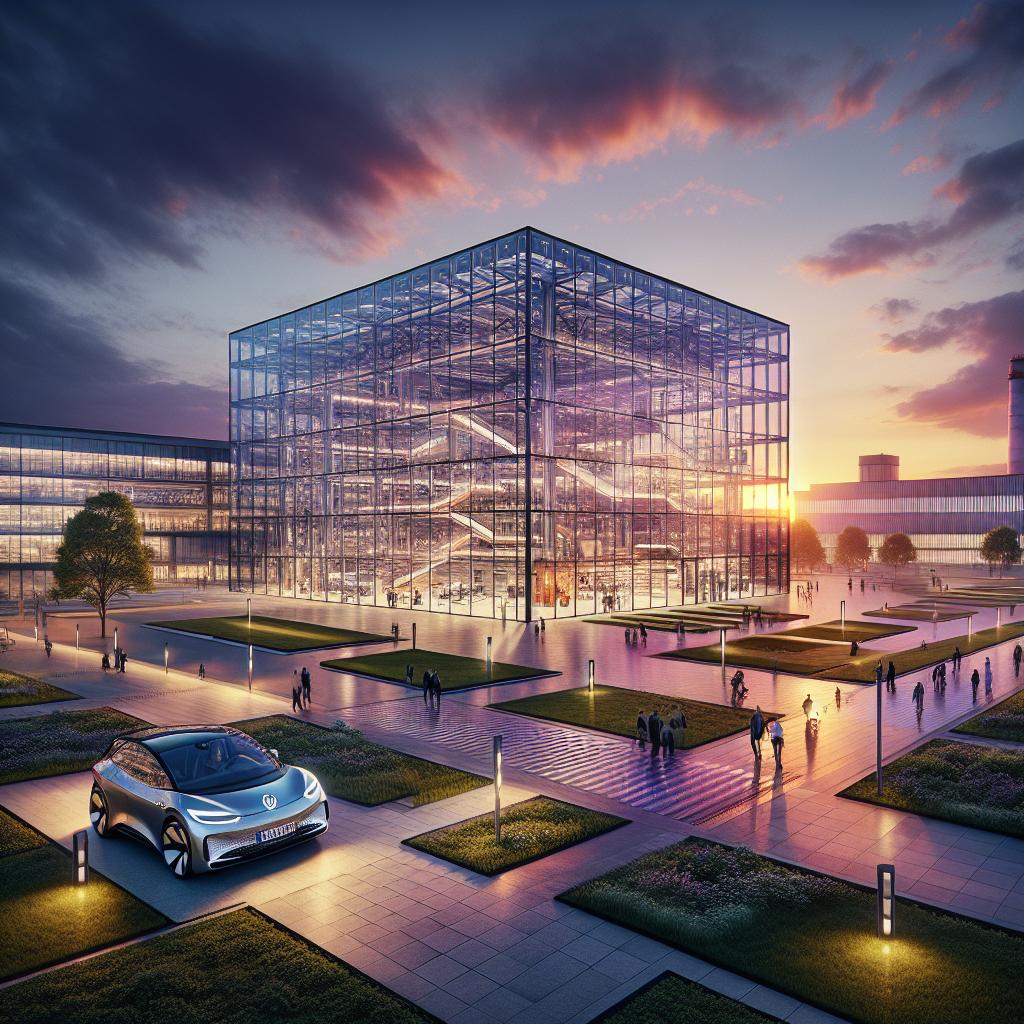
The Volkswagen Dresden plant, popularly known as the Transparent Factory due to its distinctive glass architecture, operated from 2002 until its closure in 2024. Located centrally in Dresden, Germany, the facility was initially established as a prestige site for the low-volume production of luxury models like the Phaeton, emphasizing quality and transparency in manufacturing. Over two decades, the plant gained recognition for its innovative integration with urban infrastructure—including the use of the CarGoTram for parts delivery—and its role in Volkswagen’s early electrification efforts with the production of the ID.3 electric vehicle.
In 2024, Volkswagen announced the plant’s closure as part of a broader strategic realignment responding to shifting global automotive markets. Pressures such as slowing sales in key regions, supply chain normalization, and the financial impact of tariffs compelled Volkswagen to reduce production capacity and reallocate investments toward electric vehicles (EVs), digital innovation, and localized supply chains. The Dresden closure marked the first time in Volkswagen’s 88-year history that the company shut down a plant on German soil, sparking significant controversy among labor unions and local stakeholders concerned about job security and regional economic consequences.
Despite the shutdown of manufacturing operations, Volkswagen plans to repurpose the Transparent Factory into a cutting-edge research and development hub focused on artificial intelligence, robotics, and microelectronics. This transformation, in partnership with the State of Saxony and the Technical University of Dresden, reflects Volkswagen’s strategic pivot toward software-driven innovation and sustainable mobility solutions, aiming to position Dresden as a future-oriented technology campus by 2027. The transition underscores the company’s commitment to balancing legacy industrial heritage with emerging demands in the global automotive landscape.
The closure and repurposing of the Dresden plant encapsulate Volkswagen’s broader challenges and ambitions amid the ongoing transformation of the automotive industry. While the move entails significant social and economic trade-offs, including workforce reductions and supplier impacts, it illustrates Volkswagen’s efforts to adapt to intensified competition from software-native and electric vehicle manufacturers, particularly from China, and to invest strategically in innovation and digitalization for long-term resilience.
Background
Volkswagen’s Dresden plant, often referred to as the “Transparent Factory” due to its distinctive glass walls, began operations in 2002 as a flagship facility aimed at showcasing the company’s engineering and production capabilities. Unlike many older automotive plants that were originally situated outside urban centers and later engulfed by city growth, the Dresden factory was purposely located near the city center on valuable real estate adjacent to the Dresden Great Garden, reflecting its prestige status within Volkswagen’s portfolio. Initially, the plant focused on producing the high-end Phaeton model, emphasizing quality and exclusivity rather than volume.
Over its operational lifespan, the Dresden factory produced fewer than 200,000 vehicles, underscoring its niche role within Volkswagen’s broader manufacturing network. From 2017, production briefly halted but then resumed with the assembly of the ID.3 electric vehicle, which Volkswagen began manufacturing there in 2021 alongside the Zwickau-Mosel Plant. The plant also utilized innovative logistics solutions such as the CarGoTram, which transported parts along Dresden’s public transport tracks, highlighting its integration with the city’s infrastructure.
Despite its symbolic significance and innovative approach, the Dresden facility was small and non-strategic compared to Volkswagen’s larger manufacturing hubs. The shift in the automotive market toward electric vehicles (EVs), digital innovation, and the rise of agile competitors—particularly from China—challenged Volkswagen’s traditional production models and exposed under-investment in new technologies. This broader industry transformation, coupled with market pressures such as supply chain disruptions and trade tariffs, necessitated a reevaluation of Volkswagen’s manufacturing footprint.
As part of this strategic realignment, Volkswagen decided to cease vehicle production at the Dresden plant after 24 years, marking the first time in its 88-year history that it has closed a plant in its home country. The company plans to repurpose the Transparent Factory into a research and development hub focused on emerging technologies such as artificial intelligence, robotics, and chip design, in collaboration with the Saxony state government and the Dresden University of Technology. This move aligns with Volkswagen’s broader efforts to streamline production, accelerate its EV transition, and position itself at the forefront of sustainable and digital automotive innovation.
Reasons for Closure
Volkswagen’s decision to close its historic Dresden plant stems from multiple interrelated economic and strategic challenges. The company is currently grappling with cash-flow constraints driven by slowing vehicle sales in key markets such as China and Europe, as well as the adverse effects of U.S. tariffs on its North American sales. These factors have significantly impacted Volkswagen’s profitability, compelling the automaker to reconsider its extensive investment plans, including a €180 billion budget for 2023 to 2027, with reductions being made to manage financial pressures.
The plant closure is part of a broader capacity reduction strategy aimed at streamlining production amid a market shift. The automotive sector is transitioning from higher-margin internal combustion engine vehicles towards electric vehicles (EVs) and digital innovation, areas where Volkswagen has faced challenges due to a delayed response and under-investment. This has been exacerbated by supply chain disruptions and the normalization of markets following the COVID-19 pandemic, which previously created supply constraints that supported inflated vehicle prices and margins. Now, with supply chains stabilizing, Volkswagen must contend with a demand-constrained environment, intensifying the need to cut costs and increase efficiency.
Additionally, the decision reflects Volkswagen’s strategic emphasis on regionalization and localization to shorten supply chains, reduce costs, and enhance the affordability of upcoming low-cost EV models planned for release around 2025. Despite the Dresden plant’s symbolic role in Volkswagen’s electrification efforts, including production of the battery-powered ID.3, the economic realities and strategic priorities have made its continued operation unsustainable.
Labor considerations also influenced the decision. While the company has committed to avoiding operational dismissals and has negotiated agreements with unions to reduce 35,000 jobs in a socially compatible manner without plant closures until 2030, the current financial and market pressures have necessitated a deviation from this position. Volkswagen’s leadership acknowledges that the closure decision was not taken lightly but deemed essential from an economic perspective.
Closure Decision and Timeline
Volkswagen’s decision to close its historic Dresden plant marks a significant moment in the company’s 88-year history, as it is the first time Volkswagen has shut down a production facility in its home country. The closure is part of a broader capacity reduction strategy in response to cash-flow constraints driven by weakening sales in China, soft demand in Europe, and the impact of US tariffs on vehicle sales in North America.
The announcement followed extended negotiations with the works council representing the plant’s employees. In the agreement, Volkswagen committed to offering the 230 remaining workers severance packages, retirement options, or transfers to other company locations. Despite strong opposition from the works council and unions—who argue that such measures threaten job security and Germany’s social contract in industrial relations—the company maintained that the closure is necessary to adapt to shifting market realities and avoid risking the collapse of the wider business.
The timeline of the closure was set for the end of the year, with vehicle production ceasing on a Tuesday, marking the official end of manufacturing operations in Dresden. This decision followed the cessation of vehicle production in March 2016, with a brief restart in 2017 focused on models like the Volkswagen ID.3, which was produced jointly with the Zwickau-Mosel Plant starting in 2021. As part of the shutdown process, the plant’s components and parts supply chain, including over 1200 parts and 34 preassembled components transported by CarGoTrams on Dresden’s public transport tracks, is being systematically wound down.
Although the closure represents a strategic pivot for Volkswagen and carries significant political sensitivity given Germany’s status as a powerhouse in the automotive industry, plans are underway to transform the plant’s role. Volkswagen intends to become a research partner with TU Dresden, commissioning projects from the university to repurpose the site for innovation and development activities. While the current agreement has yet to become legally binding, a final resolution appears imminent, with management and union representatives scheduled to address employees in an upcoming works meeting.
Impact of Closure
The closure of Volkswagen’s Dresden plant represents a significant strategic shift for the company and carries considerable implications for both the local economy and the wider German automotive industry. Volkswagen is confronting cash-flow constraints driven by slowing sales in China, weak demand in Europe, and the effects of US tariffs, which have collectively pressured the automaker to reduce production capacity and cut costs as part of its broader restructuring efforts.
From an economic perspective, the closure is expected to impact not only Volkswagen employees but also numerous suppliers and businesses reliant on the plant’s operations, raising concerns about regional economic stability despite currently low unemployment rates. Labor unions and the works council have sought government assistance to mitigate job losses, emphasizing the need for socially responsible transition measures.
To soften the impact on the workforce, Volkswagen has committed to retaining the 230 remaining Dresden employees during the transition period, with planned reductions to occur gradually through natural attrition such as retirements. A range of support measures will be offered, including transfer opportunities to other Volkswagen facilities in Zwickau, Chemnitz, and Wolfsburg, as well as partial retirement and termination packages accompanied by relocation bonuses. This approach aligns with Volkswagen’s ‘Future Volkswagen’ program, which targets a reduction of 35,000 jobs in Germany through socially responsible measures by 2030.
Moreover, the Dresden site is poised to undergo a transformation into an innovation hub in collaboration with the Technical University of Dresden (TU Dresden), where Volkswagen plans to become a research partner and commission projects to support future mobility and technological development. However, negotiations regarding the financing of the conversion, estimated to cost around €50 million, are ongoing. This transition highlights Volkswagen’s strategic shift from traditional manufacturing toward research and development amid changing market dynamics and the shift to electric vehicles.
The closure also reflects Volkswagen’s efforts to regionalize and localize supply chains, a critical strategy for reducing costs and improving the affordability of electric vehicles (EVs). The plant shutdown is part of a broader capacity reduction initiative aiming to lower German production by approximately 730,000 vehicles annually by 2028, aligning with VW’s plan to optimize its €180 billion investment budget for 2023–2027 and focus on EV and hybrid production.
Future Use of the Dresden Site
Volkswagen’s historic Dresden plant, commonly known as the Transparent Factory, is set to undergo a significant transformation following the cessation of vehicle production after 24 years. Starting in January 2026, the ID.3 production line will be dismantled, marking the end of traditional manufacturing activities at the site. The plant will then be repurposed into a cutting-edge research and innovation hub, focusing on emerging technologies such as artificial intelligence, robotics, microelectronics, and chip design.
This strategic pivot aligns with Volkswagen’s broader efforts to accelerate its digital transformation and adapt to the evolving automotive landscape, which increasingly demands software-driven innovation and agility. The conversion project is a collaborative initiative involving Volkswagen, the State of Saxony, and the Technical University of Dresden (TU Dresden), which will lease approximately half of the Transparent Factory’s space to establish a research campus dedicated to high-tech fields including AI, materials science, and circular economy technologies. Regular operations at this joint facility are expected to begin in 2027, with initial research projects commencing mid-2026.
The repurposing also reflects Volkswagen’s commitment to fostering regional development and sustainability. The Transparent Factory has a long-standing tradition of community engagement, supporting local cultural and social initiatives, such as partnerships with the Sächsische Staatskapelle Dresden and support for children with cancer through the Sonnenstrahl e.V. organization. Moving forward, the site aims to serve as a model for electromobility and digitalization in Dresden, enhancing the city’s role as a hub for innovative mobility solutions.
By transitioning the Dresden site from low-volume vehicle assembly to a technology-focused campus, Volkswagen seeks to better position itself amid increasing competition from software-native and electric vehicle manufacturers, particularly those emerging from China. This shift is intended to drive innovation in small series production and contribute to larger-scale advancements across the Volkswagen brand’s global operations. Ultimately, the Transparent Factory’s future use underscores Volkswagen’s dedication to bridging traditional automotive expertise with future-oriented research and development in mobility and technology.
Volkswagen’s Broader Production and Innovation Strategy
Volkswagen’s broader production and innovation strategy reflects the company’s response to significant challenges in the global automotive market, including the rapid shift towards electric vehicles (EVs), digitalization, and evolving consumer demands. Facing intensifying competition from agile, software-focused companies such as Tesla and various Chinese EV manufacturers, Volkswagen has embarked on a transformative journey to realign its production and technological capabilities.
Central to this strategy is Volkswagen’s substantial investment in electrification and the modernization of its supply chain. The company has committed billions of euros to research and development in electric vehicles, battery technology, and vertical integration through the establishment of gigafactories across Europe. This approach aims to enhance long-term competitiveness in the EV market while addressing previous under-investments and supply chain disruptions that have affected production efficiency. Moreover, Volkswagen’s efforts to streamline its manufacturing footprint, exemplified by the closure of certain plants, are intended to reallocate resources towards its EV initiatives and digital innovation projects, despite the associated financial strain and transitional challenges.
In parallel, Volkswagen is investing heavily in advancing its software capabilities and digital transformation. The company recognizes the need for a fundamental shift from traditional vehicle manufacturing to software-native development. Tools like Codebeamer Copilot exemplify this shift, enabling agile, continuous software deployment that keeps Volkswagen’s vehicles competitive in terms of digital innovation and user experience. This digital pivot is critical as software increasingly becomes a defining element of automotive value and differentiation.
A key element of Volkswagen’s innovation strategy involves repurposing legacy facilities to serve as hubs for research and development in cutting-edge technologies. The Dresden plant, historically significant for over two decades of vehicle production, is being converted into a research and innovation center focusing on artificial intelligence, robotics, and chip design. This transformation aligns with Volkswagen’s broader commitment to sustainable mobility and digitalization, as well as its collaboration with external startups, academic institutions such as the Technical University of Dresden, and regional government bodies. The “Future Mobility Campus” initiative at Dresden supports education and training programs aimed at fostering skills in digitalization and AI, demonstrating Volkswagen’s effort to build an ecosystem conducive to future mobility solutions.
While electrification remains a central pillar, Volkswagen acknowledges that combustion engine technologies will coexist with EVs longer than initially anticipated, influenced by market realities such as slower sales growth in key regions and extended vehicle lifecycles. Financially, this hybrid approach is reflected in cautious projections, with the company expecting limited net cash flow growth through 2025 and sustained margin pressures into 2026.
Reactions and Responses
Volkswagen’s decision to terminate vehicle production at its Transparent Factory in Dresden has elicited a range of reactions from various stakeholders, highlighting the broader economic and social implications of the move. The company signed a letter of intent with the Free State of Saxony and the Technical University of Dresden to transform the plant into an innovation campus focused on AI, robotics, microelectronics, and chip design, signaling a shift towards future-oriented technological development.
Labor representatives, including the works council and unions, have expressed strong opposition to the potential closure, emphasizing concerns over job security and the potential erosion of Germany’s traditional social contract in industrial relations. They argue that maintaining production could be vital to preserving employment and the long-standing consensual approach between industry leaders, trade unions, and politicians that has underpinned Germany’s post-war economic recovery. The works council and union leadership are expected to actively resist measures that threaten workers’ livelihoods, potentially seeking government intervention or support to mitigate the impact of restructuring.
From the corporate perspective, Volkswagen’s management, including brand CEO Thomas
Legacy and Historical Importance of the Dresden Plant
Volkswagen’s Dresden plant, officially known as the Transparent Factory, holds a unique place in the company’s history and the broader context of automotive manufacturing in Germany. Unlike many older Volkswagen plants built decades ago on the outskirts of cities, the Dresden facility was established much later, commencing operations only in 2001. Its location near the city center, on prime real estate within the Dresden Great Garden, was a deliberate and unusual choice aimed at integrating the factory into the urban fabric rather than isolating it.
The factory was conceived as a prestige project under the leadership of Ferdinand Piëch, primarily designed for the production of the Phaeton model. It was relatively small and niche compared to Volkswagen’s larger manufacturing sites, symbolizing a blend of advanced craftsmanship and transparency in automotive production. The plant’s architectural concept, featuring extensive use of glass, allowed visitors to observe the production process directly, embodying Volkswagen’s commitment to openness and innovation.
Beyond vehicle assembly, the Dresden plant became an important hub for social responsibility and community engagement. It supported numerous charitable activities, such as funding the Sonnenstrahl e.V. organization for children and young people with cancer, and collaborating with UNICEF Dresden. Volkswagen also invested in regional cultural projects and partnerships, including longstanding support for the Sächsische Staatskapelle Dresden and the Semperoper. Employee-led initiatives, like the “leftover cent campaign,” further exemplified the plant’s role in promoting social welfare and cultural development within the region.
In recent years, the plant evolved beyond traditional manufacturing to embrace the future of mobility and technology. Initiatives like the Future Mobility Campus, launched in 2018, aimed to educate employees, school groups, and dealers about electromobility and digital innovation. The Transparent Factory also collaborated with startups focusing on digitalization, artificial intelligence, and production logistics, helping to position Dresden as a model city for electromobility and technological advancement.
Although production at the Dresden plant has recently ceased amid Volkswagen’s strategic restructuring in response to market pressures and the shift toward electric vehicles, the facility’s legacy remains significant. It represents a pioneering approach to blending urban integration, transparency in manufacturing, and social responsibility. The plant is now set to be repurposed as a technology research hub focusing on AI, robotics, microelectronics, and chip design, continuing its role as a center for innovation in the evolving automotive landscape.
The content is provided by Avery Redwood, Know Heaven