Summary
Pulse Candy is a pioneering hard-boiled confectionery brand launched in 2015 by the DS Group, a diversified Indian conglomerate with a long-standing presence in food and consumer products. Notable for its distinctive tangy raw mango flavor combined with a piquant powder filling, Pulse redefined the Indian candy market by appealing to evolving consumer tastes and creating a unique sensory experience that set it apart from traditional sweets and chocolate-based candies. The brand rapidly gained popularity, transforming candy buying behavior from impulsive single-piece purchases to bulk, brand-driven consumption, supported by vibrant packaging and affordable pricing.
The success of Pulse Candy is underpinned by DS Group’s innovative marketing strategy, which prioritized word-of-mouth promotion and social media engagement over conventional mass advertising, enabling organic brand growth particularly among young consumers. This approach, combined with a robust distribution network spanning over 3.5 million retail outlets nationwide, allowed Pulse to secure a leading 19% market share in India’s hard-boiled candy segment and achieve a compound annual growth rate (CAGR) of 15%, outperforming the overall industry average. The brand’s product innovation, including new flavors and limited editions, has sustained consumer interest and market leadership amid rising competition.
Despite its commercial achievements, Pulse Candy faced challenges such as supply shortages driven by unexpectedly high demand and regional taste preferences that could limit universal appeal. Critics have also pointed to potential risks related to artificial scarcity created by aggressive promotion. Nevertheless, DS Group’s strategic management of these issues through targeted marketing and supply chain expansion has helped maintain Pulse’s growth trajectory and consumer loyalty.
Pulse Candy’s cultural impact extends beyond its market performance, becoming a symbol of youthful exuberance in India through memorable slogans and active engagement on digital platforms. Looking ahead, DS Group aims to consolidate Pulse’s domestic position and expand internationally by leveraging its innovative flavor portfolio and distribution strength, positioning the brand for sustained growth in both existing and new markets.
Background
Pulse Candy was launched by the DS Group, a diversified conglomerate founded in 1929 with a vast portfolio spanning mouth fresheners, food and beverages, confectionery, hospitality, agriculture, luxury retail, and other investments. Entering the competitive hard boiled candy market, which was dominated by established national and international players, DS Group identified a unique opportunity to differentiate its product by catering to evolving consumer tastes in India.
At the time, the Indian confectionery market was largely characterized by traditional sweets and chocolate-based candies, with strong competition but limited product differentiation and a narrow range of flavors. Indian consumers typically purchased candies based on flavor preference—such as orange, mango, or mint—rather than brand loyalty, and buying patterns were mostly impulse-driven and single-piece purchases. Recognizing a gap for an innovative and distinctive candy, DS Group created Pulse Candy, a fusion candy that combined sweet and tangy flavors, particularly focusing on a tangy raw mango taste that was unconventional in the market.
This tangy mango flavor not only resonated with consumer preferences, especially in tropical regions of India like Rajasthan and Gujarat where cuisine shares a similar tanginess, but also contributed to the brand’s rapid popularity and market leadership. Pulse Candy’s vibrant and eye-catching packaging further helped it stand out on store shelves and attract young consumers seeking new taste experiences. This innovative approach transformed the category from impulse-driven purchases to a brand-driven buying behavior, with consumers often purchasing Pulse Candy in bulk quantities, a significant shift from the traditional single-piece buying habit.
The brand’s success story is underpinned by continuous product innovation, with the introduction of new flavors, shapes, sizes, and special edition offerings catering to diverse tastes and festive occasions. These innovations have maintained consumer excitement and expanded the brand’s appeal without alienating its core audience.
Marketing and Branding Strategy
Pulse Candy’s marketing and branding strategy was distinctive for its reliance on word-of-mouth (WOM) promotion rather than traditional heavy advertising, which set it apart from global competitors like Oreo. The DS Group, which owns the brand, invested minimally in conventional mass media campaigns, choosing instead to mobilize enthusiastic consumers as brand advocates who would organically promote the product online. This approach leveraged the power of social media platforms such as Facebook and Instagram to engage the young target audience and generate widespread brand awareness.
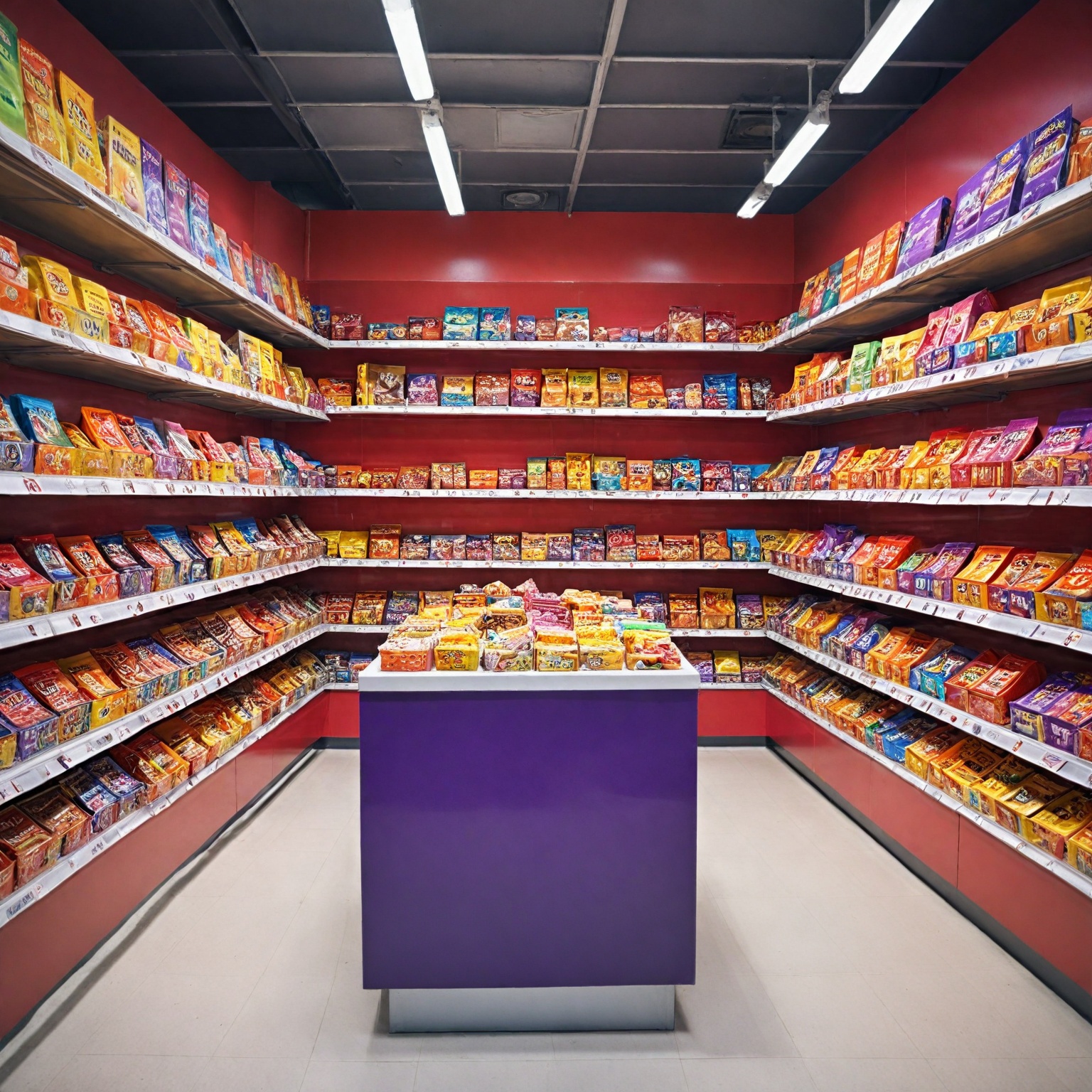
The brand positioned itself as a fusion candy combining sweet and tangy flavors, catering primarily to young consumers seeking unconventional taste experiences. This unique taste profile, coupled with vibrant and eye-catching packaging featuring bright red and purple colors and catchy taglines, helped Pulse Candy stand out on crowded store shelves and conveyed the brand’s promise of a novel flavor experience. The packaging design played a critical role in attracting impulse buyers, supported by an affordable pricing strategy that made the candy accessible to a broad consumer base and encouraged repeat purchases.
Pulse’s marketing efforts extended beyond digital channels, incorporating selective in-store promotions and outdoor advertisements at key locations, particularly within the National Capital Region (NCR), to boost visibility. Moreover, the DS Group employed an extensive distribution network covering traditional mom-and-pop stores, modern retail chains, and online marketplaces, ensuring the candy’s widespread availability across India. This mass-market distribution strategy complemented the brand’s pricing and promotional tactics to maximize market penetration.
Further enhancing its youth appeal, Pulse Candy collaborated with popular youth-oriented events and influencers, strengthening its connection with the demographic and increasing brand engagement. This targeted marketing, combined with the brand’s social media-driven WOM strategy, proved highly effective in breaking through the clutter of the confectionery category, particularly in India’s competitive market dominated by young consumers who are often key household decision-makers.
In 2017, Pulse launched its maiden television commercial, which garnered 18.5 million views across social media platforms, marking a strategic addition to its primarily digital and grassroots promotional efforts. Additionally, the introduction of new flavors like guava helped maintain consumer interest and supported the brand’s growth trajectory. Overall, Pulse Candy’s marketing and branding strategy exemplifies a successful blend of product innovation, targeted consumer engagement, and strategic distribution, contributing to its transformation from an impulse buy to a multi-crore revenue sensation.
Business Growth and Financial Performance
Since its launch in 2015, Pulse Candy has emerged as the largest hard-boiled candy brand in India, demonstrating remarkable growth and strong market presence. The brand’s distribution network has expanded impressively, reaching over 35 lakh outlets nationwide, providing a robust platform for sustained growth and deeper market penetration. Pulse Candy currently holds a 19% market share in the hard-boiled candy segment, outperforming the overall industry growth rate, which stands at around 9% CAGR, while Pulse itself has achieved a compound annual growth rate (CAGR) of 15% over the last three fiscal years.
A key factor behind Pulse’s rapid success has been its innovative marketing and product strategies. Unlike global competitors who rely heavily on mass media advertising, Pulse Candy adopted a minimal promotional spend approach, focusing on product novelty and flavor innovation to convert first-time buyers into loyal customers. The brand continuously introduces new flavors, shapes, and limited-edition variants that resonate with regional tastes and festive occasions, thereby maintaining consumer excitement and engagement. This ongoing product innovation remains central to Pulse’s growth strategy and market leadership.
Pulse’s success has also triggered competitive responses within the Indian confectionery market, prompting established players and new entrants to launch similar tangy candy products. Despite the increased competition, Pulse’s first-mover advantage and strong brand equity have enabled it to maintain significant market share. Furthermore, the brand’s initial low price point of Re 1 helped capture a wide consumer base, although fluctuations in raw material costs have led to a gradual shift in pricing dynamics over time.
Looking forward, DS Group envisions transforming Pulse into a multi-format, multi-occasion offering by expanding into adjacent product categories and exploring innovative formats that capitalize on India’s diverse regional flavors. The group is aggressively targeting both domestic and international markets, leveraging its extensive distribution network to drive growth and sustain Pulse’s leadership position in the confectionery industry.
Role of DS Group
DS Group, also known as Dharampal Satyapal Group, has played a pivotal role in establishing Pulse Candy as a market leader within the confectionery sector. Founded in 1929, the group has grown into a multi-business conglomerate with a significant presence both in India and internationally, operating across diverse verticals such as food and beverages, mouth fresheners, and confectionery. Their leadership position in these sectors is the result of a blend of rich legacy and forward-looking growth strategies.
The DS Group’s strategic approach to Pulse Candy’s market entry was marked by a combination of innovative marketing and aggressive brand-building efforts. Through below-the-line (BTL) activities, digital campaigns, and influencer marketing, they managed to achieve remarkable sales milestones, including INR 1 billion in just eight months despite challenges like counterfeit products and supply shortages. This demonstrated DS Group’s ability to maintain market dominance by effectively responding to competitive pressures and leveraging creative marketing techniques.
A significant component of DS Group’s strategy was the integration of word-of-mouth (WOM) marketing. By mobilizing satisfied consumers to become passionate brand advocates, DS Group harnessed the power of consumer influence to expand Pulse Candy’s reach organically. Additionally, the company supported these efforts with targeted in-store promotions and outdoor advertising, particularly in select high-visibility locations, ensuring consistent consumer engagement.
Furthermore, the group collaborated with advertising agencies such as JWT to develop professional campaigns that resonated with the target audience. The 2017 campaign for Pulse Candy combined film media with strategic creative direction, guided by industry professionals including Subho Sengupta, Mukund Raina, and Rajesh Krishnan, to enhance brand visibility and appeal. This blend of creative advertising and market insight helped DS Group identify and capitalize on opportunities within the competitive hard candy market, ultimately positioning Pulse Candy as a formidable player.
Distribution and Supply Chain
Pulse Candy’s widespread availability and efficient supply chain have been central to its rapid market penetration and success in India’s hard-boiled candy segment. Leveraging the extensive existing infrastructure of its parent company, DS Group, Pulse was able to establish a strong distribution network from the outset. This network ensured that Pulse candies were stocked across a diverse range of retail outlets, including paan shops, kirana stores, and neighborhood shops, enabling a presence throughout both rural and urban markets.
The robust distribution reach of Pulse currently spans over 35 lakh outlets across India, reflecting the brand’s aggressive expansion strategy and deep market penetration. This widespread availability was instrumental in transforming Pulse into an impulse purchase item, readily accessible to consumers across the country. The success of this distribution model is highlighted by the brand’s consistent growth and its significant market share of 19% in the domestic hard-boiled candy segment.
Supply chain management was put to the test as the brand’s popularity surged through word-of-mouth promotion, particularly on social media platforms. Demand rapidly outpaced supply, with DS Group initially able to meet only 60-70% of the demand in certain areas such as Delhi, where consumers were even willing to pay a premium for the candy. To address this, the company complemented its distribution efforts with in-store promotions and targeted outdoor advertising, further bolstering product visibility and consumer access.
In addition to traditional retail channels, Pulse Candy embraced modern retail formats and online marketplaces to widen its consumer reach, ensuring the product remained affordable and accessible. The combination of an affordable pricing strategy, expansive distribution network, and effective supply chain management has been a key driver in Pulse Candy’s transition from a single product to a multi-variant portfolio distributed nationwide.
Competitive Landscape
The Indian hard-boiled candy (HBC) market, estimated to be around Rs 4,000 crore, is characterized by intense competition among both domestic and international brands. Pulse Candy, launched by the DS Group, has emerged as a dominant player in this segment, doubling its sales to Rs 326 crore in 2016-17 and challenging established competitors such as the Indonesian coffee-flavored brand Kopiko, which held sales of approximately Rs 306 crore during the same period.
Pulse’s rise disrupted a largely stagnant confectionery market, valued at Rs 8,500 crore and comprising categories like eclairs and gums that experienced sluggish growth due to a lack of innovation. The product differentiated itself through its unique raw mango flavor with a piquant powder filling, appealing to both adults and children and revitalizing consumer interest in the category.
A key competitive advantage for Pulse has been its extensive distribution reach. While many new entrants struggle to establish nationwide presence, Pulse leveraged the DS Group’s well-established infrastructure, enabling rapid and wide availability across India. This distribution strength, combined with aggressive word-of-mouth marketing and in-store promotions, allowed Pulse to meet only 60-70% of the surging demand at certain points, highlighting its success in capturing market share.
The broader market competition also involves strategies related to product differentiation and brand building. The DS Group’s approach to positioning Pulse as a mass-market, brand-driven impulse purchase has been instrumental in shifting consumer behavior within the confectionery sector. This strategic move contrasts with many competitors who have relied heavily on traditional impulse buying without significant branding efforts.
Challenges and Criticisms
Despite the remarkable success of Pulse Candy in the Indian hard boiled sweets market, the brand faced several challenges during its growth trajectory. One significant challenge was the highly competitive nature of the confectionery category, which had already seen a large volume of advertising work and high consumer expectations. Creating a unique and fresh marketing approach that could stand out required considerable creativity and strategic planning.
Another operational challenge arose from the unexpectedly high demand generated by the brand’s word-of-mouth (WOM) strategy. While this approach successfully increased consumer interest and sales, it also led to supply shortages. At one point, the company could only fulfill 60-70% of the demand, with some consumers in cities like Delhi willing to pay a premium for the product. This gap between demand and supply posed risks related to customer satisfaction and potential loss of market share if not managed properly.
Furthermore, the reliance on distributors and retailers for pushing the product involved training and equipping them with precise messaging to effectively promote the candy. Maintaining this network’s motivation and ensuring consistent communication was a logistical challenge for DS Group.
From a critical perspective, while Pulse Candy’s marketing and distribution strategies were effective, some industry observers noted that the aggressive promotion and high demand could have created artificial scarcity, potentially leading to customer frustration. Additionally, the uniqueness of the candy’s flavor, centered around amchur powder, was a niche taste that might not appeal universally across all regions, presenting a potential barrier for broader acceptance.
Nevertheless, the DS Group’s ability to address these challenges through innovative marketing campaigns, including outdoor advertising and active online engagement, helped the brand sustain its growth and maintain a strong foothold in the market.
Cultural Impact and Popularity
Pulse Candy rapidly became a cultural phenomenon in India, transcending its role as a mere confectionery product to become a symbol of youthful exuberance and sensory adventure. The brand’s unique offering—bold and tangy flavors—resonated strongly with a generation of consumers eager for novel taste experiences, leading to a dedicated and loyal customer base that valued the candy beyond simple sweetness.
The catchy tagline, “Pran jaaye par Pulse na jaaye” (Better to lose life than Pulse), encapsulated the brand’s quirky and humorous communication style, embedding Pulse Candy into everyday conversations and popular culture. This slogan became a rallying cry among consumers, amplifying the emotional connect and reinforcing the candy’s position as a beloved indulgence. The marketing approach, emphasizing fun and peculiarity, created a distinctive identity that appealed especially to young consumers who sought products that matched their bold and experimental lifestyles.
Pulse’s cultural influence was further amplified through its targeted engagement on digital platforms such as Facebook and Instagram, where the brand interacted with its audience and fostered a community around its products. Collaborations with youth-centric events and influencers not only boosted visibility but also integrated Pulse into the lifestyle and social narratives of
Future Prospects
Pulse Candy’s future growth strategy is centered on both domestic consolidation and international expansion. The company plans to strengthen its position by exploring adjacent product categories and introducing innovative new formats that leverage regional flavors, thereby catering to diverse consumer preferences across India and abroad. This approach aims to sustain consumer interest and diversify the brand’s offerings beyond the core hard-boiled candy segment.
Domestically, Pulse Candy benefits from a robust distribution network reaching over 3.5 million outlets, enabling the brand to deepen market penetration and prevent unauthorized pricing practices by retailers. To support this expansion, DS Group has invested heavily in scaling up production capacity, having opened six new plants recently, raising the total count to seven, ensuring supply meets the rising demand and maintaining price control across markets.
On the international front, the company is aggressively pursuing new markets by leveraging its strong brand equity and first-mover advantage in the tangy candy category. With Pulse Candy currently holding a 19% share in India’s hard-boiled candy segment and registering a compound annual growth rate (CAGR) of 15%, outpacing the industry average of 9%, the brand is well-positioned to replicate its domestic success globally.
Innovation and product diversification remain key pillars of the future strategy, as evidenced by the introduction of variants such as Pulse Orange and Pulse Guava, which have helped maintain consumer engagement and fend off competitive responses from established players and new entrants. The company also plans to continue minimal reliance on traditional mass media advertising, focusing instead on creative campaigns and leveraging market intelligence to make data-driven decisions.
The content is provided by Jordan Fields, Know Heaven