
Summary
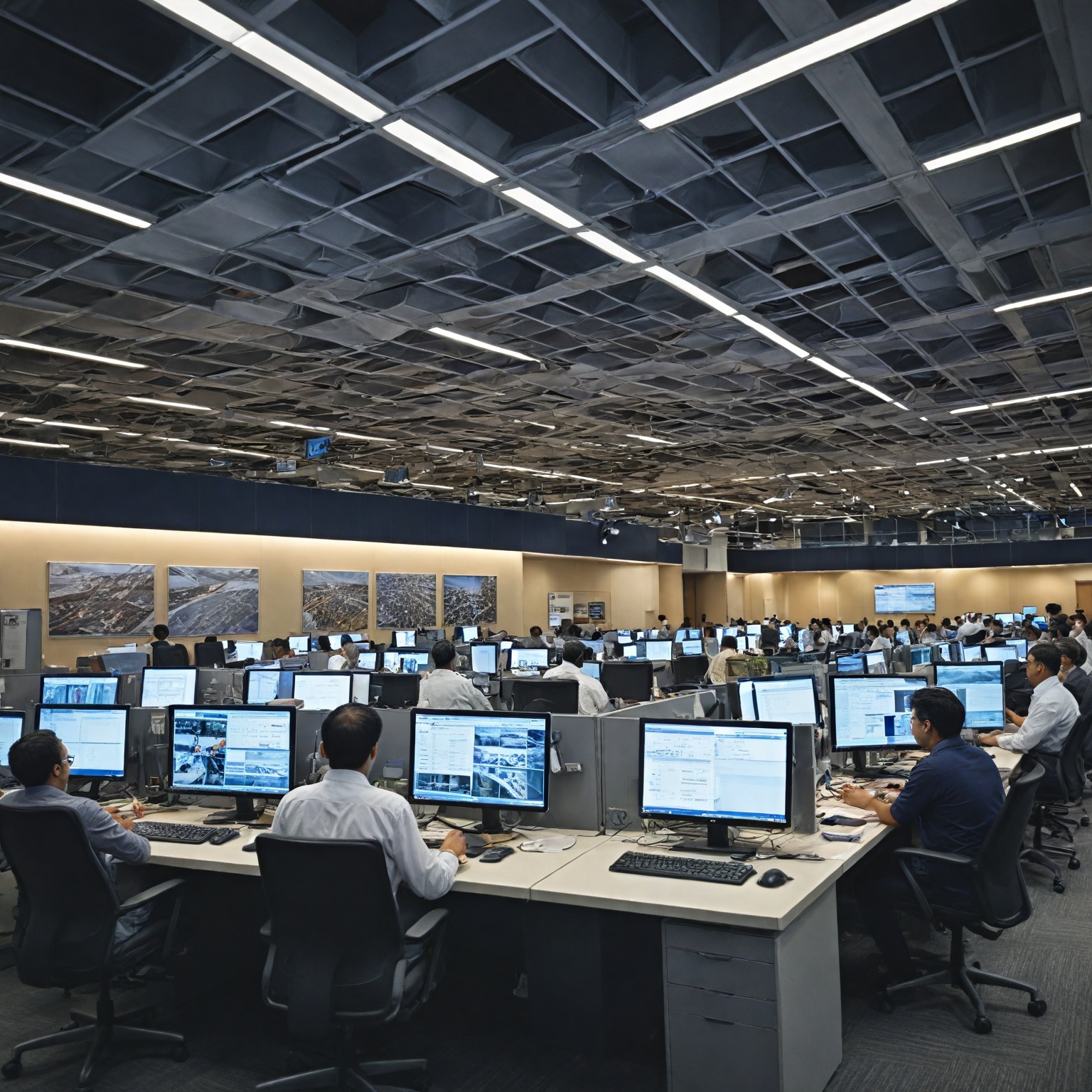
The Airports Authority of India (AAI) has launched an innovative online system for real-time tracking of airport development projects across the country, marking a significant advancement in infrastructure project management. Designed to enhance transparency, oversight, and timely execution, the platform integrates technologies such as CCTV footage, drone visuals, and AI-powered analytics to provide continuous, comprehensive monitoring of over 25 projects with budgets ranging between Rs 200 crore and Rs 500 crore. By enabling round-the-clock surveillance and automated insights, the system aims to reduce delays and streamline decision-making processes within India’s extensive airport modernization efforts.
Central to the system’s functionality is its incorporation of artificial intelligence, which offers proactive health monitoring of projects by forecasting risks, generating automated reports, and suggesting corrective actions. This AI-driven approach aligns with emerging trends in human-centered project management tools that combine machine intelligence with human oversight to optimize efficiency while maintaining accountability. The platform’s integration with existing communication and collaboration tools further facilitates transparency and real-time team engagement, making it a comprehensive solution for complex infrastructure projects.
Despite its innovative features, the system faces challenges typical of AI-driven deployments, including high implementation costs, integration complexities, and the need to address ethical concerns such as algorithmic bias and accessibility for persons with disabilities. The Airports Authority of India emphasizes maintaining human oversight within the AI decision-support framework to ensure reliability and fairness, while also incorporating feedback loops from diverse stakeholders to continuously refine system performance.
Looking ahead, AAI plans to expand the platform’s capabilities by enhancing predictive analytics, integrating additional monitoring technologies, and improving interoperability with existing organizational systems. These future developments aim to further empower project managers, promote responsible AI use, and support the successful completion of airport infrastructure projects critical to India’s aviation sector growth.
Background
The Airports Authority of India (AAI) is preparing to launch a new online system designed to provide real-time monitoring of airport development projects across the country. This initiative aims to enhance project oversight, improve transparency, and prevent delays in the execution of significant capital works for airport upgrades. The platform, which has been in development for approximately a year, integrates various technologies including CCTV footage and drone feeds to deliver comprehensive progress assessments. By enabling round-the-clock review of ongoing projects, the system is expected to streamline management and support timely completion.
Incorporating AI-powered features, the system offers proactive project health monitoring, which helps identify potential risks and opportunities with high precision. These AI insights facilitate early detection of issues, allowing teams to make informed decisions and maintain project momentum effectively. Such advancements align with broader trends in project management tools that use AI to generate tasks automatically, provide summaries, and visualize progress through customizable interfaces. The AAI’s adoption of this innovative online platform reflects a commitment to leveraging cutting-edge technology for improved infrastructure development management.
Development
The Airports Authority of India (AAI) initiated the development of an innovative online system aimed at real-time project monitoring to enhance the management and timely execution of its extensive airport projects portfolio. This system is designed to integrate advanced technologies such as CCTV cameras, drone footage, and video feeds to provide comprehensive, 24/7 oversight of ongoing construction and upgrade activities across more than 25 projects with budgets ranging between Rs 200 crore and Rs 500 crore.
Central to the system’s development is the incorporation of AI-powered features that facilitate real-time task updates and proactive insights, enabling project managers to anticipate potential issues, streamline decision-making, and maintain seamless coordination among teams without the need for manual follow-ups. This approach aligns with the broader trend of embedding human-centered AI principles, where human oversight and machine intelligence are integrated to improve system effectiveness and user experience. The development process recognizes the importance of keeping humans “in the loop” to refine AI responses and leverage human judgment at critical points in project monitoring.
Furthermore, the project emphasizes collaboration between technologists and community stakeholders to ensure the system addresses complex social and operational challenges effectively. By fostering partnerships and active communication channels during development, the AAI aims to create a robust, user-friendly platform that meets both technical and organizational needs. The integration of these technologies and human-centered design practices highlights a commitment to building an inclusive, accessible, and efficient system that upholds the highest standards of project tracking and management.
Features
The new online system launched by the Airports Authority of India (AAI) offers comprehensive real-time project tracking capabilities designed to enhance oversight and prevent delays in airport development projects. It integrates advanced technologies such as CCTV footage, drone visuals, and video feeds to provide a continuous and detailed view of project progress around the clock. This enables project managers and stakeholders to monitor multiple ongoing projects efficiently, with current management covering 25 projects with budgets ranging between Rs 200 crore and Rs 500 crore.
Incorporating AI-driven analytics, the system transforms raw data into actionable insights by tracking key performance indicators (KPIs) and generating automated, customized reports for different stakeholders. These AI features also include predictive analytics that can forecast potential delays and suggest schedule adjustments to keep projects on track. The platform’s real-time updates and AI-powered insights highlight emerging issues early, allowing proactive management and reducing the need for manual follow-ups.
Furthermore, the system supports seamless integration with existing communication and collaboration tools, fostering transparency and team engagement through integrated messaging channels and live dashboards. These features ensure that all team members stay informed and can easily exchange updates without disrupting their workflows. The AI component also facilitates automated task status updates and report preparations, simplifying routine project management tasks and enabling efficient decision-making.
Implementation
The Airports Authority of India (AAI) has developed a new online system designed to monitor airport development projects in real time, enhancing oversight and minimizing delays in project execution. This platform integrates advanced monitoring tools, including CCTV footage and drone visuals, to provide continuous progress assessment of ongoing capital works across Indian airports.
The implementation process involved the creation of a centralized digital dashboard that enables round-the-clock tracking and management of project milestones, thereby fostering greater transparency among stakeholders. By leveraging real-time data feeds and visual monitoring, the system facilitates immediate identification of bottlenecks or deviations from planned schedules, allowing for timely interventions.
Furthermore, the platform is built with integration capabilities to connect seamlessly with existing airport management and communication systems, ensuring cohesive data flow across various departments and regulatory bodies. This interoperability is critical to aligning the system with broader aviation security and operational frameworks overseen by entities such as the Directorate General of Civil Aviation (DGCA) and the Bureau of Civil Aviation Security (BCAS).
To ensure the system’s effectiveness, AAI incorporated iterative feedback loops during deployment, collecting input from diverse stakeholders to refine functionalities and user experience continuously. This adaptive approach supports ongoing improvements and helps align the platform’s features with the dynamic needs of airport project management and governance.
Impact
The introduction of the new online system for real-time project tracking has significantly enhanced the way teams manage and oversee projects by integrating advanced AI capabilities. This system enables continuous monitoring of project progress through real-time updates and AI-powered insights that help identify potential issues before they escalate, fostering a more proactive approach to project management. By leveraging AI technologies such as machine learning and robotic process automation, the platform personalizes and automates various Agile project management tasks, leading to improved efficiency, faster time-to-market, and better team collaboration.
Moreover, the system supports granular feedback loops that allow different stakeholders—ranging from marketing and legal to operations—to provide structured input, refining AI model responses within their domain areas and ensuring that project management remains aligned with diverse organizational needs. The deployment of AI also aids in forecasting future outcomes and suggesting actionable steps, thereby enabling teams to anticipate risks and make informed decisions that keep projects on track.
Importantly, the platform emphasizes social impact by fostering collaboration between technologists, community members, and activists most affected by systemic injustice, thus building strong foundational relationships that guide AI application toward meaningful societal benefits. This holistic approach to AI governance not only standardizes oversight but also promotes continuous improvement and accountability in AI-powered project management activities. Together, these features contribute to a transformative impact on project workflows, enabling organizations to act proactively rather than reactively and enhancing overall project success.
Challenges and Limitations
Implementing advanced AI-driven systems, such as the new online platform launched by AAI for real-time project tracking, involves several challenges and limitations that must be addressed to ensure success and inclusivity. One major hurdle is the high cost associated with AI adoption, which can strain budgets if not managed carefully. Organizations are advised to start with small, scalable AI solutions to mitigate financial risks. Additionally, integration difficulties may arise when new AI tools do not seamlessly connect with existing platforms, potentially disrupting established workflows. Ensuring compatibility with commonly used systems like file-sharing services, communication applications, and customer relationship management (CRM) tools is critical to maintain operational continuity.
Beyond technical and financial barriers, ethical and accessibility considerations play a significant role. AI systems risk perpetuating algorithmic bias and ableist assumptions, which can adversely affect people with disabilities. Addressing these issues requires incorporating comprehensive digital accessibility frameworks and legal guidelines into the design and deployment processes. A holistic approach that moves beyond mere compliance towards truly inclusive experiences is essential, involving accessibility design reviews early in development and detailed specifications for new components.
Another notable limitation is the need to maintain human oversight in AI-driven decision-support systems (DSSs). Keeping humans in the loop allows for the detection of biases and faults within AI outputs, enhancing reliability and accountability. Finally, data security remains a critical concern; guidelines from agencies like CISA emphasize best practices such as sourcing reliable data, maintaining data integrity, and employing digital signatures to safeguard AI systems from cybersecurity threats. These multifaceted challenges highlight the importance of careful planning, continuous monitoring, and inclusive design in leveraging AI for project tracking and management.
Future Plans and Enhancements
The new online system introduced by AAI aims to leverage advanced AI-powered tools to forecast future outcomes and suggest actionable steps for improving project results. This predictive capability is intended to help anticipate risks and enable informed decision-making, ensuring projects remain on track and deadlines are met. Moving forward, AAI plans to integrate more sophisticated monitoring technologies, including enhanced CCTV footage, drone visuals, and video analytics, to provide a comprehensive and continuous overview of project developments. This will facilitate round-the-clock surveillance and help mitigate delays across the portfolio of ongoing projects, which currently includes 25 initiatives with budgets ranging from Rs 200 crore to Rs 500 crore.
Additionally, the system is expected to expand its integration capabilities to connect seamlessly with existing platforms such as file-sharing services, communication applications, and customer relationship management (CRM) systems. This interoperability will allow for streamlined workflows and improved collaboration among teams. The user interface will also continue to evolve, maintaining its intuitive design while incorporating more customizable dashboards and real-time collaboration features to support both small teams and large organizations effectively. Through these enhancements, AAI seeks to foster responsible AI application and empower project leaders with the knowledge and tools needed to manage transformative projects confidently and efficiently.
The content is provided by Jordan Fields, Know Heaven