
Moodys Unleashes Criticism on IndiGo: Major Planning Flaws Behind Recent Flight Disruptions!
Summary
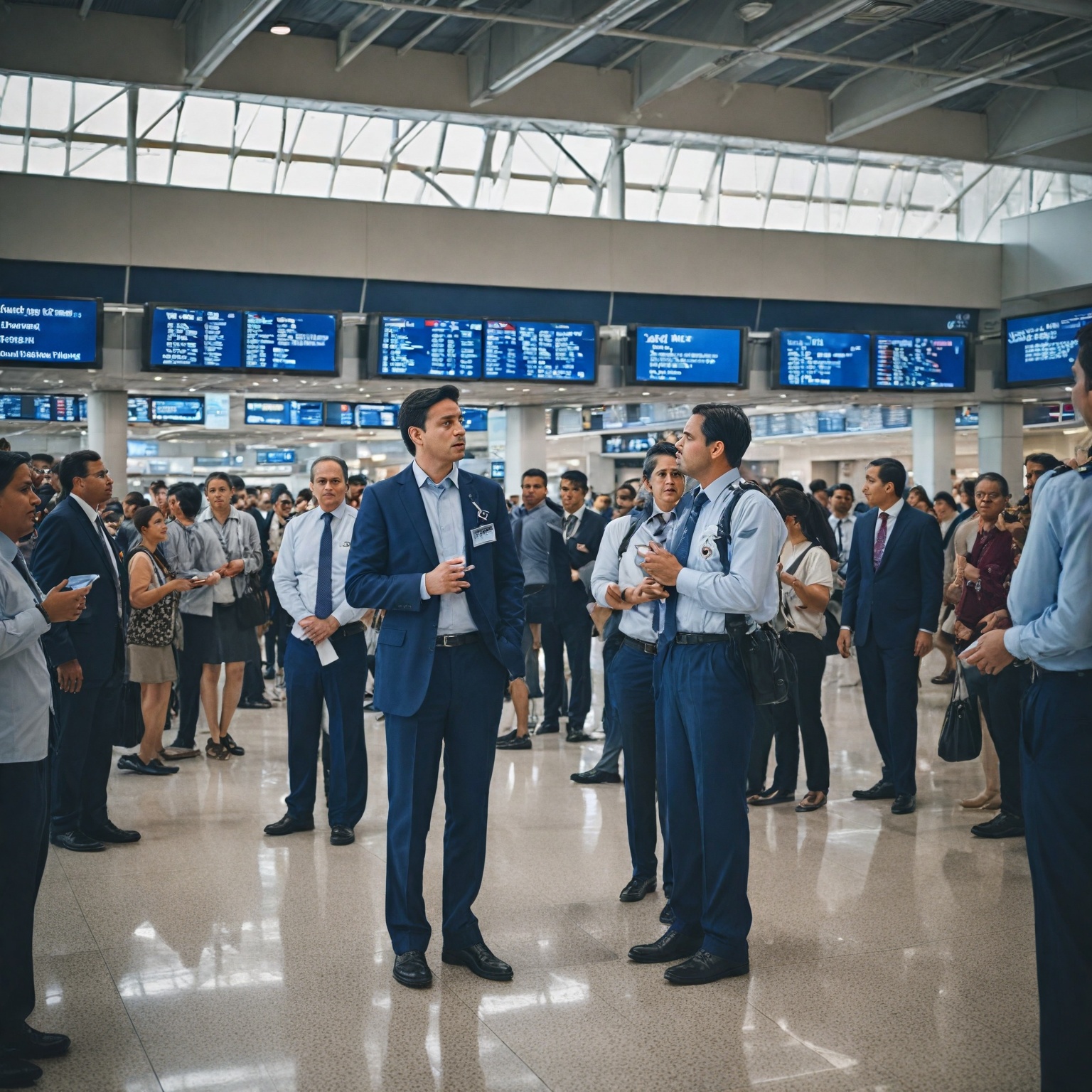
IndiGo, India’s largest airline by domestic market share, experienced widespread flight disruptions in late 2025 following the implementation of revised Flight Duty Time Limitation (FDTL) regulations introduced by the Directorate General of Civil Aviation (DGCA). These new rules, which extended mandatory weekly pilot rest periods and imposed stricter crew duty constraints, were phased in starting early 2024, with the most impactful changes enforced from November 1, 2025. Despite being notified well in advance, IndiGo significantly underestimated its crew requirements under the new norms, resulting in severe pilot shortages that caused mass flight cancellations and delays across its extensive network.
The disruptions led to a sharp decline in IndiGo’s on-time performance, dropping from 84.1% in October 2025 to 67.7% in November, with some days seeing punctuality as low as 19.7%. Moody’s Investors Service sharply criticized IndiGo for critical lapses in operational planning and workforce management, highlighting the airline’s lean staffing model as ill-equipped to handle regulatory changes despite ample lead time. Moody’s downgraded IndiGo’s human capital score and warned of potential financial penalties and reputational damage, particularly concerning its international partnerships and credit profile. Concurrently, the Federation of Indian Pilots attributed the crisis to IndiGo’s prolonged lean manpower strategy, raising concerns about operational resilience.
In response to the crisis, the DGCA issued show-cause notices to IndiGo’s top executives and established an independent panel to investigate the causes and hold the airline accountable. The Ministry of Civil Aviation mandated prompt customer refunds without penalties and instructed regulators to ensure fare stability during recovery. IndiGo acknowledged its misjudgment of crew needs, initiated schedule adjustments, enhanced crew rostering, and improved coordination with airports and air traffic control to stabilize operations. However, ongoing regulatory scrutiny and operational challenges underscore significant gaps in IndiGo’s planning and governance that must be addressed to prevent recurrence.
Despite these setbacks, Moody’s maintains a stable outlook on IndiGo’s long-term fundamentals, citing its dominant market position and favorable economic environment, though it expects profitability to be negatively affected in the near term. The episode has exposed vulnerabilities in IndiGo’s lean operational model, prompting calls for improved workforce management and regulatory compliance as the airline strives to restore its reputation and service reliability amid intensified oversight.
Background
IndiGo, one of India’s largest airlines with a fleet of approximately 367 aircraft serving over 88 domestic and 33 international destinations, faced significant operational disruptions following the implementation of new Flight Duty Time Limitations (FDTL) regulations by the Directorate General of Civil Aviation (DGCA) in 2024. The revised regulations, introduced in two phases with the latest phase enforced from November 1, increased the mandatory weekly rest period for pilots from 36 to 48 hours, substantially impacting crew scheduling and operational planning.
Despite being notified more than a year in advance, IndiGo admitted to misjudging the actual crew requirements, which exceeded their initial expectations and contributed to widespread flight cancellations and delays. The airline’s on-time performance (OTP) dropped sharply, falling from 84.1% in October 2025 to 67.7% in the subsequent month, reflecting the challenges in adjusting to the new norms. To cope with pilot shortages, IndiGo added over 20 damp-lease aircraft operated by external pilots, but this measure was insufficient to prevent disruptions.
The DGCA formed a four-member panel to investigate the root causes of these disruptions, with plans to summon IndiGo’s CEO Pieter Elbers and Chief Operating Officer Isidre Porqueras for questioning. The panel includes senior officials such as Joint DG Sanjay Brahamane and Deputy Director General Amit Gupta, who are tasked with assessing the airline’s operational recovery and ensuring compliance without fare increases during the normalization process.
Industry observers and rating agencies like Moody’s have criticized IndiGo for significant lapses in planning and operational oversight, pointing out the airline’s lack of preparedness despite the advance notice of regulatory changes. Additionally, the Federation of Indian Pilots (FIP) attributed the disruptions to IndiGo’s prolonged “lean manpower strategy,” particularly in flight operations, and expressed concerns that the delays and cancellations might be leveraged to influence regulatory decisions.
Moody’s Criticism
Moody’s issued strong criticism of IndiGo following the airline’s recent widespread flight disruptions, attributing the operational chaos primarily to significant lapses in planning, oversight, and resource management. The disruptions arose after IndiGo failed to adequately prepare for the implementation of new Flight Duty Time Limitation (FDTL) regulations, which had been communicated to the industry more than a year in advance. Despite this advance notice, IndiGo underestimated its crew requirements and faced severe crew shortages when the second phase of the FDTL norms took effect, leading to a drastic decline in on-time flights and large-scale cancellations.
Moody’s highlighted that IndiGo’s lean operational model, while cost-efficient during stable periods, lacked the necessary resilience to adapt to regulatory changes, culminating in a system-wide reboot that severely disrupted operations. The rating agency downgraded IndiGo’s human capital category score from 3 to 4, reflecting the negative impact of delayed and slow hiring on the airline’s operational capacity. This downgrade signals increased concerns over IndiGo’s ability to manage its workforce effectively amid evolving regulatory requirements.
Furthermore, Moody’s cautioned that the disruptions could lead to significant financial consequences for IndiGo, including loss of revenue due to flight cancellations, refunds, and compensation to affected passengers, as well as the possibility of penalties imposed by the Directorate General of Civil Aviation (DGCA) and the Ministry of Civil Aviation (MoCA). Although no financial penalties have been levied so far, Moody’s emphasized that such actions remain a distinct possibility.
The airline’s governance was also scrutinized, with Moody’s maintaining a moderate governance risk score of 3. While IndiGo does not have employee unions, the bargaining power of pilots through broader industry associations remains significant, and pilot groups have criticized IndiGo’s lean manpower strategy, linking it directly to the current disruptions.
In response to the crisis, the Directorate General of Civil Aviation acknowledged IndiGo’s misjudgment in crew planning related to the FDTL Phase 2 implementation and noted that the airline has committed to strengthening crew planning, enhancing coordination with air traffic control and airports, and improving disruption management processes. However, Moody’s assessment underscores the critical need for improved operational oversight and workforce management to prevent similar disruptions in the future.
Impact of Flight Disruptions
The recent flight disruptions experienced by IndiGo, India’s largest domestic airline, have had significant operational, financial, and reputational consequences. The airline, which commands nearly two-thirds of the domestic passenger market, faced cancellations and delays affecting over 1,000 flights across major cities including Delhi, Mumbai, Bengaluru, and Chennai, marking one of the most severe crises in its history. IndiGo’s on-time performance (OTP) plummeted from 84.1% in October to 67.7% in November, deteriorating further in early December to as low as 19.7% on some days.
Financially, the disruptions have led to substantial revenue losses due to cancellations, refunds, and compensation to affected passengers. Moody’s highlighted that IndiGo could face significant financial damage and potential penalties imposed by the Directorate General of Civil Aviation (DGCA), which has also issued a show-cause notice questioning the airline’s readiness despite prior communication on revised duty rules. The airline’s share price reflected the market’s concerns, dropping by over 8% in a single day on the Bombay Stock Exchange.
Reputationally, Moody’s warned of potential damage, particularly impacting IndiGo’s global code-share partnerships. The airline’s reputation for punctuality and operational reliability has been undermined by these disruptions, with industry voices such as the Federation of Indian Pilots criticizing IndiGo’s prolonged lean manpower strategy and suggesting the possibility of flight delays being used as leverage against regulators. Despite these challenges, Moody’s noted that IndiGo’s dominant market position, favorable macroeconomic environment, and sustainable leverage remain supportive of its current credit rating, although the disruptions are expected to negatively affect profitability for the fiscal year ending March 2026.
In response to the crisis, IndiGo has initiated corrective measures including strengthening crew planning and rostering to better comply with the new Flight Duty Time Limitation (FDTL) regulations, and improving coordination with air traffic control and airports to reduce operational bottlenecks. Nevertheless, the scale of the breakdown has exposed significant gaps in planning, oversight, and resource management within the airline, as the FDTL changes had been notified more than a year prior. Moody’s has consequently downgraded IndiGo’s human capital score, reflecting concerns over slow hiring and inadequate operational preparedness.
IndiGo’s Response
In response to the widespread flight disruptions and the criticism it faced, IndiGo acknowledged that the stricter Flight Duty Time Limitations (FDTL) introduced under Phase 2 had been a significant factor contributing to the cancellations and delays. The airline accepted that its initial crew requirement estimates had fallen short, which led to operational challenges as it struggled to meet the new regulatory demands. To address these issues, IndiGo initiated calibrated adjustments to its flight schedules aimed at normalizing operations and improving punctuality across its network. These measures were intended to be temporary, with a focus on progressive recovery within a short time frame.
IndiGo also committed to offering affected passengers alternate flights or refunds where applicable, in line with directives from the Ministry of Civil Aviation (MoCA), which mandated that all customer refunds be processed by December 7 without penalties. The airline stated that these steps would help stabilize its operations and restore confidence among travelers.
Furthermore, IndiGo has been strengthening its crew planning and rostering processes to comply fully with the new FDTL norms, while enhancing coordination with air traffic control and airport authorities to better manage capacity constraints and turnaround times. Despite these efforts, IndiGo’s lean operational model, which had previously been effective under normal conditions, was criticized for lacking the resilience needed to absorb such regulatory changes without disruption.
The airline’s response came amid ongoing scrutiny and show-cause notices issued to its top executives, including CEO Pieter Elbers and COO Isidro Porqueras, by the Directorate General of Civil Aviation (DGCA). IndiGo has been cooperating with regulators and has allowed deployment of government officers at its operational control centers to ensure continuous oversight during this period of adjustment. While no financial penalties have been imposed yet, the airline remains under pressure to maintain service standards and rebuild its reputation, particularly in international markets and code-share partnerships.
Regulatory and Government Actions
In response to IndiGo’s widespread flight disruptions triggered by the implementation of new Flight Duty Time Limitation (FDTL) regulations, Indian aviation authorities and government bodies have undertaken several regulatory and oversight measures. The Directorate General of Civil Aviation (DGCA) first proposed these regulations in early 2024, with the latest phase coming into effect on November 1, 2025. The rules included an increase in weekly rest periods for crew from 36 to 48 hours, classification of any duty between midnight and 6 am as night duty, and a reduction in permissible landings within 24 hours from six to two or three, aiming to enhance safety and reduce crew fatigue.
Following IndiGo’s admission of significant planning lapses that led to operational disruptions, the DGCA issued show-cause notices to IndiGo’s CEO Pieter Elbers and COO Isidro Porqueras, holding them accountable for failures in oversight and resource management. The regulator emphasized deficiencies in internal oversight and compliance planning, mandating IndiGo to submit detailed reports on crew utilization, improved crew availability, and revised planning measures. IndiGo was also instructed to provide a 30-day roadmap for full compliance with the FDTL regulations.
The Ministry of Civil Aviation (MoCA) intervened by directing IndiGo to process all customer refunds by December 7 without any levies, reflecting a commitment to passenger rights amid the crisis. While no formal financial penalties have been imposed yet, they remain a distinct possibility, with Moody’s highlighting potential reputational damage especially impacting IndiGo’s international code-share partnerships.
Further regulatory action included the formation of an independent DGCA panel announced on December 5, tasked with reviewing the extent of IndiGo’s compliance with the revised FDTL provisions, investigating the admitted operational gaps, and determining accountability for the planning failures that precipitated the large-scale flight disruptions. The panel is expected to summon the airline’s top executives as part of its probe.
To strengthen oversight and minimize passenger inconvenience, the DGCA intensified real-time monitoring and launched field inspections at major airports, focusing not only on IndiGo’s flight operations but also on passenger handling and communication during delays and cancellations. This heightened scrutiny was prompted by concerns over chaos caused by mass cancellations and delays, with the Civil Aviation Minister Ram Mohan Naidu personally intervening to expedite regulatory actions.
IndiGo, in response, established a crisis management group to monitor the situation closely and committed to mitigating challenges faced by passengers. Nevertheless, the regulatory and government response underlines the severity of the airline’s operational shortcomings and signals increased enforcement and institutional strengthening to prevent recurrence.
Industry and Expert Reactions
Moody’s Investors Service issued strong criticism of IndiGo’s handling of recent flight disruptions, highlighting “significant lapses in planning, oversight and resource management” as the primary causes behind the operational fallout. The rating agency emphasized that the airline had more than a year’s notice about the new Flight Duty Time Limitation (FDTL) regulations, yet failed to adequately prepare, resulting in a system-wide schedule reset and multiple cancellations. Moody’s noted that IndiGo’s traditionally lean operational model, which is effective in stable conditions, lacked the resilience to adapt to regulatory changes, exposing vulnerabilities in the airline’s operational planning.
The disruptions were further compounded by adverse winter weather conditions, which exacerbated crew scheduling challenges and stranded passengers, revealing gaps in human capital management. Moody’s responded by downgrading IndiGo’s human capital category score from 3 to 4, reflecting the operational impact of delayed hiring, while maintaining a governance score of 3 to indicate moderate governance risk. The absence of employee unions at IndiGo was highlighted, though Moody’s acknowledged the bargaining power of pilots through wider industry associations.
The regulatory response included show-cause notices issued by the Directorate General of Civil Aviation (DGCA) to IndiGo’s CEO Pieter Elbers and COO Isidro Porqueras, raising questions about leadership continuity. The Ministry of Civil Aviation mandated that the airline complete all customer refunds by December 7 without levies and indicated that penalties might still be considered. Moody’s warned that these operational issues and potential regulatory penalties could inflict reputational and financial damage on IndiGo, particularly affecting its code-sharing agreements and overall credit profile, despite the airline’s Baa3 issuer rating with a stable outlook remaining unchanged.
Future Outlook
Moody’s maintains that IndiGo’s long-term fundamentals remain strong, supported by its dominant domestic market share, favorable macroeconomic conditions, and sustainable leverage levels projected to stay below 3.5x. Despite these strengths, the rating agency expects a negative impact on IndiGo’s profitability for the fiscal year ending March 2026 due to operational disruptions stemming from recent regulatory changes. The full extent of the financial hit remains uncertain as the airline continues to adjust its operations to comply with the revised Flight Duty Time Limitations (FDTL) norms.
The disruptions, primarily caused by crew shortages following the implementation of the stringent Phase 2 FDTL regulations, have not only affected IndiGo’s on-time performance but also raised concerns about reputational damage, especially with its global code-share partners. In response, IndiGo has initiated calibrated schedule adjustments aimed at normalizing operations, and it expects to restore its full flight schedule by mid-December. The airline has also formed a crisis management group to closely monitor and manage the ongoing challenges faced by passengers.
Regulatory scrutiny is expected to intensify, with the Directorate General of Civil Aviation (DGCA) conducting real-time monitoring and field inspections
The content is provided by Sierra Knightley, Know Heaven