Summary
Game-Changer: China Signals End of Special Treatment in Future Negotiations is a landmark development in the World Trade Organization’s (WTO) ongoing evolution, reflecting China’s shifting role in the global trading system. Since its accession to the WTO in 2001, China has maintained a developing country status that granted it special and differential treatment (SDT), including extended implementation periods and exemptions designed to support less economically advanced members. However, amid growing international debate over whether China’s economic size and state-driven model remain compatible with such privileges, Chinese Premier Li Qiang’s 2023 announcement that China will no longer seek SDT marks a pivotal shift with significant implications for multilateral trade governance.
China’s decision is notable as it addresses long-standing controversies regarding its classification within the WTO. While China has self-identified as the world’s largest developing country, critics—particularly from developed economies like the United States—have challenged this status, citing China’s substantial global economic influence and the distinctiveness of its state-owned enterprises and industrial policies that diverge from market economy norms. By voluntarily relinquishing special treatment, China signals readiness to accept higher WTO obligations, potentially easing trade tensions and unlocking stalled reform negotiations ahead of the WTO’s 2026 ministerial meeting.
The WTO and its member states have responded with cautious optimism. WTO Director-General Ngozi Okonjo-Iweala hailed the move as a “major news key to WTO reform,” underscoring its potential to strengthen the multilateral trade system and foster more balanced negotiations. Nonetheless, concerns remain about ongoing challenges related to transparency, economic coercion, and the compatibility of China’s economic model with WTO rules—issues that continue to complicate China’s integration within the organization. The shift thus represents both a breakthrough and a starting point for deeper engagement on contentious trade and policy matters.
This development occurs against a backdrop of broader geopolitical and economic dynamics, including Sino-American trade tensions, WTO reform efforts, and the evolving nature of global trade rules since the Uruguay Round. Analysts caution that while China’s renunciation of SDT status may reduce certain frictions and contribute to a more equitable multilateral framework, fundamental challenges in reconciling China’s unique economic system with WTO principles remain unresolved. As such, this move is widely regarded as a game-changer that could reshape future WTO negotiations and the global trade landscape.
Background
China’s accession to the World Trade Organization (WTO) in 2001 marked a significant milestone in global trade, symbolizing a commitment to multilateralism and global competition under internationally agreed rules. At the time, China was recognized as a developing country and designated a Non-market economy (NME) under Article 15 of its accession protocol, which granted it certain special rights and treatment within the WTO framework. These provisions included longer timeframes for implementing commitments and measures aimed at enhancing trade opportunities for developing nations.
Despite these allowances, China’s status as a developing country has been a subject of ongoing debate. While China has long self-identified as the world’s largest developing country, emphasizing a shared history with the Global South and a common mission of development, some wealthier WTO members have contested this classification, arguing that China no longer qualifies for such special treatment due to its economic advancement. This tension reflects broader concerns about the compatibility of China’s unique economic model—characterized by significant state-owned enterprises (SOEs) and industrial policies—with the WTO’s rules, which were not originally designed to address such structures.
China’s WTO membership has had profound economic and political impacts globally, often described as the “China shock,” highlighting the challenges other countries face in adjusting to China’s integration into the global trading system. The evolving international trade environment since the Uruguay Round in 1994 has further complicated matters, as WTO commitments have expanded into sensitive sectors such as services, intellectual property, and foreign direct investment, placing additional demands on new members like China.
Negotiations surrounding China’s status and the future of WTO rules have been ongoing, with China open to discussing issues such as special and differential treatment (SDT), subsidies, and industrial policy reforms ahead of the 2026 ministerial meeting. This dialogue occurs amid calls for WTO reform and efforts to reduce tensions between China and other major trading powers, particularly the United States. The recent announcement by Chinese Premier Li Qiang signaling a willingness to forgo special treatment privileges represents a pivotal shift, potentially unlocking progress in WTO reform discussions and reflecting China’s readiness to assume higher trade obligations.
Details of the Recent Shift
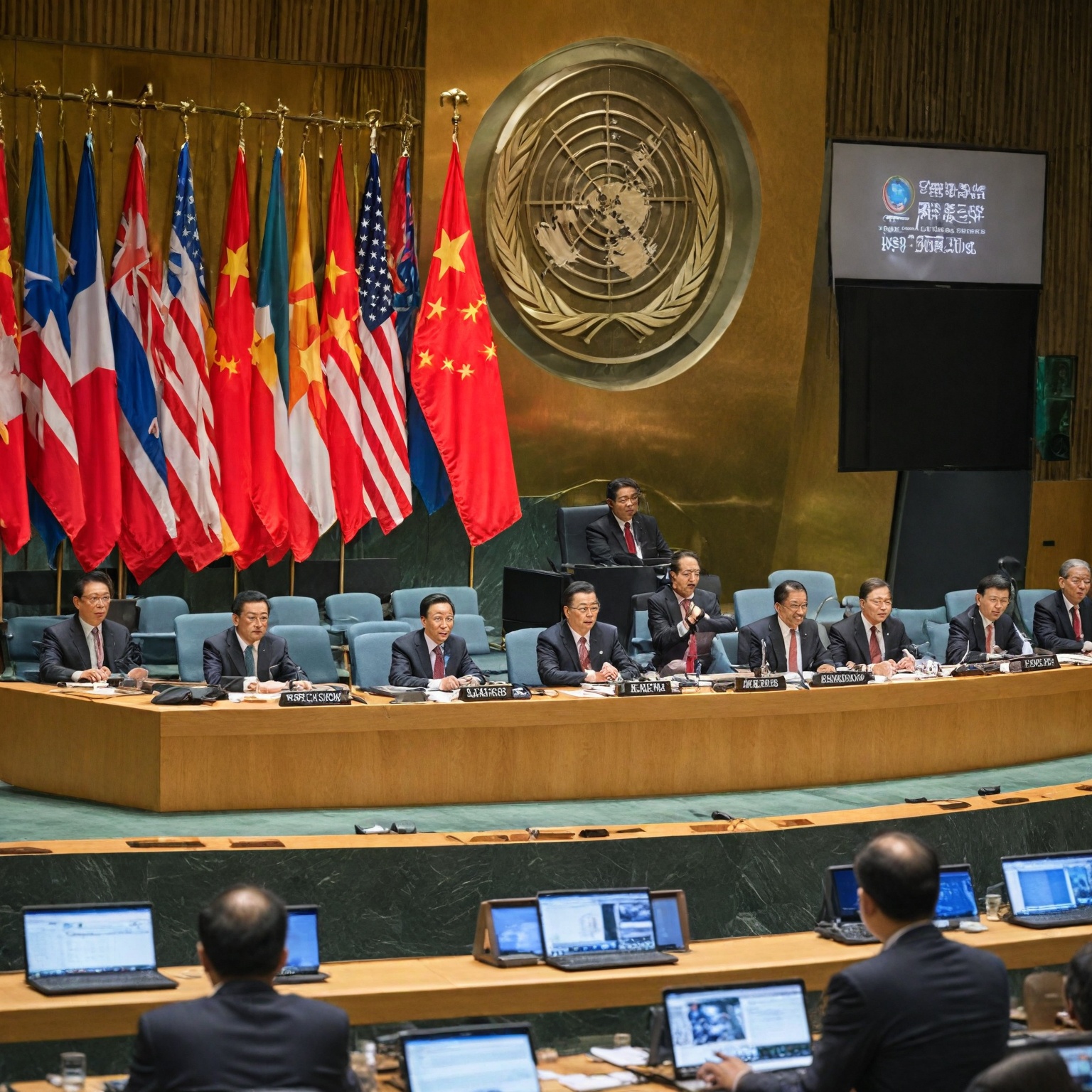
In a significant development announced during the United Nations General Assembly in New York, Chinese Premier Li Qiang declared that China would no longer seek the special and differential treatment (SDT) accorded to developing countries under World Trade Organization (WTO) agreements. This move marks the culmination of years of economic reform and aligns with China’s evolving role as the world’s second-largest economy. The announcement was praised by WTO Director-General Ngozi Okonjo-Iweala, who described it as “major news key to WTO reform” and applauded China’s leadership on the issue.
Special and differential treatment provisions grant developing countries benefits such as longer transition periods to implement commitments and lower requirements for market openness. The United States and other developed nations have long argued that China’s economic stature disqualifies it from this status, emphasizing that these privileges should no longer apply given China’s substantial global economic influence. China’s decision to relinquish this status signals a willingness to accept higher obligations under WTO rules and may facilitate progress in ongoing WTO reform discussions while potentially easing Sino-American trade tensions.
This shift also reflects broader strategic economic planning consistent with China’s Five-Year Plans, which emphasize maintaining a socialist economy with Chinese characteristics and a strong state role, even as China integrates more deeply into the global trade system. While China has experienced rapid economic transformation and growth rates reaching 5.2% in 2023, concerns remain among some WTO members regarding the negative spillovers of certain Chinese trade and domestic policies, including issues related to economic coercion and transparency.
China’s announcement follows a history of trade tensions with the United States, including tariffs and retaliatory measures, underscoring the political and economic complexities surrounding its WTO membership and global trade relationships. Despite these challenges, the move to forego special treatment can be seen as a strategic step to strengthen China’s position within the multilateral trading system and contribute to WTO reform efforts ahead of the upcoming 2026 ministerial meeting in Cameroon.
Historical Treatment and Debates within the WTO
China’s accession to the World Trade Organization (WTO) in 2001 marked a significant milestone in global trade relations but also introduced complex challenges and debates regarding its treatment within the organization. Under Article 15 of China’s Protocol of Accession, China was recognized as a non-market economy (NME) for a transitional period of 15 years. This status allowed special treatment within the WTO framework, including the use of third-country domestic prices and production costs in anti-dumping investigations, which differed from the treatment of market economies. The United States, which played a pivotal role in China’s WTO accession, included provisions in the bilateral agreement that reflected these distinctions, acknowledging China’s unique economic model and state involvement, particularly the significant role of state-owned enterprises (SOEs).
Despite China’s formal integration into the WTO, its membership has remained contentious, fueled by concerns over the compatibility of China’s economic model with the WTO’s rules and principles. China’s adherence to a socialist economy with Chinese characteristics, underpinned by strong state control and strategic planning articulated in its Five-Year Plans, has been viewed as diverging from the market economy norms traditionally upheld by the WTO. This divergence has led to calls for reform of the organization to better address the realities of China’s economic practices and their global impact.
The treatment of Chinese SOEs has been a particular point of debate. Several WTO members have expressed concerns about the scale and influence of these enterprises, urging China to adopt international standards and best practices to enhance productivity and reduce distortions in global markets. These members have also highlighted the need for China to mitigate negative spillovers from its domestic policies, including practices perceived as economic coercion or politically motivated trade measures, which undermine trust in China’s commitment to a rules-based and transparent trading system.
Furthermore, the issue of Special and Differential Treatment (SDT) has been a significant source of contention. China, along with other major economies like Saudi Arabia, has self-identified as a developing country to access SDT benefits such as higher tariffs and subsidies. The United States has opposed this practice, arguing that it grants China an unfair advantage and has insisted on China relinquishing SDT status as a prerequisite for meaningful WTO reform. This stance reflects broader tensions over the criteria for developing country status within the WTO and the challenges posed by emerging economies that do not fit traditional classifications.
The disputes arising from these issues have been formalized in WTO panels and reports. For example, a panel report in dispute DS597 ruled that the United States’ origin marking requirements on goods from Hong Kong, China, violated WTO rules, specifically the most favored nation treatment principle, underscoring the complexities involved in enforcing WTO commitments with respect to China and its related economies.
Responses from WTO and Member States
The decision by China to signal the end of its special and differential treatment (SDT) status in future WTO negotiations has elicited significant responses from both the World Trade Organization and its member states. The head of the Geneva-based WTO described China’s move as “major news key to WTO reform,” applauding and thanking Chinese leaders for their initiative on social media platform X. This gesture is seen as potentially unlocking progress in ongoing WTO reform talks and reducing trade tensions, particularly between China and the United States.
The WTO itself, as the global trade rule-setting institution with 166 members as of 2024, operates on unanimous decision-making and emphasizes principles of low and predictable trade barriers to promote freer trade. China’s willingness to accept higher obligations by forgoing special treatment is viewed as a constructive step toward strengthening the multilateral trade system and addressing some of the longstanding challenges in enforcing WTO rules.
Among member states, responses have been mixed but largely notable. Hong Kong, China, for instance, referenced a WTO dispute panel report that found certain U.S. origin marking requirements on goods from Hong Kong inconsistent with WTO rules, underscoring ongoing tensions in trade relations but affirming the role of WTO adjudication. Meanwhile, the United States has historically played a leading role in shaping China’s integration into the global trading system and has a substantial stake in China’s compliance with WTO obligations. However, the U.S. has also taken measures such as revoking China’s most-favored-nation treatment and imposing tariffs, reflecting underlying concerns about China’s trade practices and economic policies.
Several WTO members have expressed concerns regarding China’s domestic and trade-related policies, highlighting issues such as economic coercion and the use of economic measures for political purposes. These concerns have raised questions about China’s commitment to an open, rules-based, transparent, and non-discriminatory economy, complicating the dynamics of China’s WTO membership and its responsibilities within the multilateral framework.
European Union officials have also aligned with the United States on certain trade restrictions, such as blocking the sale of advanced semiconductor technology to China, indicating a broader coalition of members wary of strategic economic competition. Nonetheless, China’s shift away from claiming developing country status is interpreted by some as a recognition of its rising economic stature and a willingness to engage with the WTO on more equal footing, which could pave the way for renewed dialogue and reform.
Implications for Future WTO Negotiations and Global Trade
China’s decision to signal an end to its special developing-country status within the World Trade Organization (WTO) marks a significant development with potential wide-ranging implications for future WTO negotiations and the global trade landscape. This move, welcomed by the WTO leadership as a key step toward reforming the organization, could catalyze progress in long-stalled multilateral trade talks and ease some of the tensions between China and other major economies, particularly the United States.
By voluntarily relinquishing the benefits associated with developing-country status—such as extended timeframes for implementing commitments and preferential treatment—China signals its willingness to accept greater obligations under WTO rules. This gesture may address longstanding criticism, especially from the U.S., which has argued that China’s status as the world’s second-largest economy is inconsistent with the advantages it claims under the developing nation classification. Dropping special treatment could therefore foster a more balanced negotiating environment, potentially unlocking movement on key issues that have been stalled due to disputes over China’s trade practices and compliance.
However, the implications extend beyond bilateral relations. The WTO framework, established through agreements like GATT, GATS, TRIPs, and the Dispute Settlement Understanding, aims to create a multilateral system ensuring competitive opportunities based on comparative advantage rather than focusing on bilateral trade balances. China’s move may strengthen this multilateral system by encouraging adherence to more uniform standards among members, particularly as WTO obligations have expanded significantly since the Uruguay Round in 1994 to cover a broader range of economic activities including services, intellectual property, and telecommunications.
Despite the positive signals, analysts caution that this development alone is unlikely to resolve all tensions surrounding China’s trade practices. Chinese trade continues to grow robustly, and Chinese officials remain critical of what they perceive as unilateral and protectionist policies by the U.S. and other countries. Additionally, developing nation status is self-declared within the WTO framework, and China has historically positioned itself as a leader among emerging economies, emphasizing its role as the world’s largest developing country to assert influence in global trade discussions. Thus, while the change could reduce frictions and promote reform, deeper challenges in the global trade system remain.
Economic and Political Analysis
China’s accession to the World Trade Organization (WTO) marked a significant milestone with substantial economic and political ramifications globally. Economists emphasize that bilateral trade balances are influenced by various factors beyond trade policies, and the WTO primarily aims to establish competitive opportunities for nations to leverage their comparative advantage rather than ensure bilateral trade balance. Nevertheless, the political discourse around China’s WTO membership, particularly in the United States, has been fraught with tension and divergent expectations.
Many Western countries initially anticipated that China’s entry into the WTO would accelerate its transition into a fully liberalized and open market economy. However, China has largely maintained its distinctive economic structure, particularly the prominent role of state-owned enterprises (SOEs), which operate in ways that sometimes conflict with the multilateral trading system’s principles. This divergence reflects China’s strategic decision to preserve its socialist economy with Chinese characteristics, as reinforced in its recent Five-Year Plans, indicating that the overarching role of the state in the economy will continue unabated.
China’s WTO membership has generated what is sometimes termed the “China shock,” referring to the profound economic adjustments and political reactions experienced by other countries, especially in manufacturing sectors. This phenomenon coincided with a shift in Chinese leadership from Li Peng to Zhu Rongji, who advocated for deeper economic restructuring and institutional reforms, such as combating corruption and establishing chambers of commerce. Yet, despite these internal reforms, concerns remain among WTO members about China’s compliance with international trade norms, especially regarding SOE reforms, transparency, and non-discriminatory practices.
The international community has expressed unease over certain Chinese trade practices, including economic coercion and the use of trade measures for political purposes, which undermine confidence in China’s commitment to a rules-based and transparent trading system. Furthermore, China’s self-declared developing nation status grants it special privileges within the WTO, such as extended timelines for implementing agreements, a stance that has been contested given China’s economic size and global influence. The recent signaling by China to end such special treatment could represent a pivotal shift in WTO negotiations, potentially easing trade tensions, particularly with the United States, and advancing ongoing WTO reform efforts.
From a geopolitical perspective, the United States initially supported China’s WTO accession under the assumption that integration into global trade rules would encourage political liberalization and market reforms within China. However, the persistent divergence between China’s state-led economic model and the expectations embedded in the WTO framework has challenged this assumption, prompting calls for WTO reforms that better accommodate the complexities of China’s economic system. The WTO itself faces criticism for diminishing effectiveness in enforcing agreements, a situation compounded by the challenges posed by China’s economic rise and state influence in global markets.
The content is provided by Sierra Knightley, Know Heaven