
Summary
The ongoing conflict between Israel and Iran has significantly disrupted India’s basmati rice exports, highlighting the broader economic vulnerabilities caused by geopolitical instability in the Middle East. India, the world’s largest producer and exporter of basmati rice, counts Iran as one of its key markets, accounting for approximately 12–13% of total basmati exports valued at around ₹6,374 crore during the 2024–25 fiscal year. However, escalating tensions have caused shipment delays, payment defaults, and a sharp decline in new orders from Iran, leading to stranded consignments at Indian ports and contributing to a substantial drop in basmati rice prices.
This disruption not only threatens export revenues but also impacts the livelihoods of farmers and exporters primarily based in Punjab and Haryana, regions heavily dependent on basmati rice trade with Iran. Challenges such as increased shipping costs, insurance difficulties for vessels heading to Iran, and sanctions-related payment hurdles have further exacerbated the crisis. The turmoil in the Red Sea trade routes, a vital corridor for Indian exports to West and Central Asia, has intensified logistical complexities, highlighting India’s strategic vulnerabilities in maintaining stable trade flows amid regional conflicts.
Beyond basmati rice, the Iran-Israel conflict has wider ramifications for India’s trade and economic stability, affecting sectors like petroleum and tea exports, and disrupting critical infrastructure including undersea communication cables vital to India’s digital economy. The situation has also caused volatility in Indian financial markets, reflecting concerns over energy security and supply chain disruptions. The crisis underscores the need for India to diversify trade routes and strengthen diplomatic engagement to safeguard its economic interests.
In response, the Indian government and industry stakeholders have initiated measures to mitigate the fallout, including policy support for exporters and efforts to enhance trade route resilience. Nevertheless, the continuing conflict poses ongoing uncertainties for the basmati rice export sector and India’s broader trade landscape, with experts emphasizing the importance of strategic planning to navigate these geopolitical challenges.
Background
The ongoing conflict between Israel and Iran has escalated tensions across the region, drawing significant attention to its wide-ranging economic and strategic implications. While much focus has been placed on military confrontations, nuclear rhetoric, and disruptions to oil supply chains, one critical yet often understated consequence is the impact on trade routes and exports, particularly affecting India’s basmati rice shipments to Iran.
India is the world’s leading producer and exporter of basmati rice, a premium long-grain variety prized for its unique aroma and delicate flavor. Indian basmati rice commands substantial demand in domestic and international markets, especially in Middle Eastern countries including Saudi Arabia, Iraq, and Iran. In the fiscal year 2023–24, India’s basmati rice exports surged by 26%, reaching ₹48,389 crore and extending to over 150 countries worldwide. Iran has historically been one of the top importers, accounting for approximately 12.6% of total Indian basmati exports in 2024–25, with export values amounting to around ₹6,374 crore during this period.
However, the conflict has introduced significant disruptions. The volatility in the region has caused shipment delays, payment difficulties, and a decline in new orders from Iran. This disruption threatens not only export revenues but also the livelihoods of Indian farmers and exporters heavily reliant on these trade links. The decrease in demand from Iran has contributed to a notable drop in basmati rice prices, which fell from over $1,200 per tonne last year to around $900–950 per tonne recently. Such price adjustments reflect the fragile market conditions induced by geopolitical instability.
Furthermore, approximately 60–70% of India’s basmati rice exports are directed towards West and Central Asia, making the region strategically important for India’s agricultural trade. The broader economic fallout of the conflict has also affected other sectors; for example, Indian exports saw a 9% decline in August 2024, driven largely by a 38% drop in petroleum product exports linked to the Red Sea crisis. Additionally, the tea industry faces vulnerability due to Iran’s significance as a major importer, heightening concerns about the continuity of shipments amid regional instability.
Thus, the Iran-Israel conflict not only threatens regional security but also poses considerable challenges for India’s trade, particularly the basmati rice export sector, by disrupting established commercial flows and impacting prices and demand patterns in key markets.
Iran-Israel Conflict
The escalating conflict between Iran and Israel has had a profound impact beyond the immediate region, significantly affecting India’s economy, trade routes, and strategic interests. The tensions have reignited concerns over global oil prices and disrupted critical maritime and overland trade corridors, which in turn have influenced market sentiments and economic stability in India. Following the escalation, India’s benchmark stock index, the Sensex, witnessed a sharp decline, closing 573 points lower amid fears of rising crude oil costs and supply chain interruptions.
One of the most affected areas is India’s trade connectivity with Central Asia and Russia through Iran via the International North-South Transport Corridor (INSTC). The conflict has introduced security risks and sanctions-related uncertainties that have delayed the operationalization of this crucial trade route, thereby hampering India’s efforts to diversify its trade routes and reduce dependence on China-backed channels. Additionally, the ongoing tensions threaten the future of strategic infrastructure projects such as the Chabahar Port, which is vital for India’s access to Afghanistan and Central Asia.
India’s export of basmati rice to Iran, one of its largest buyers, has also suffered considerably. In the fiscal year 2024–25, Iran purchased over 855,000 metric tonnes of Indian basmati rice, valued at nearly ₹6,374 crore, representing 30 to 35% of India’s total basmati exports in strong years. However, the conflict coupled with longstanding issues such as delayed payments has created significant challenges for exporters, particularly in Punjab and Haryana, where the rice trade forms a key economic pillar.
Moreover, the conflict has affected digital infrastructure; in 2024, three major submarine communication cables—AAE-1, EIG, and Seacom—were disrupted in the Red Sea amid the regional escalation. These disruptions caused latency and connectivity issues across Africa, the Gulf, and South Asia, illustrating the far-reaching consequences of the conflict on India’s digital and economic ecosystems.
Impact on Basmati Rice Exports
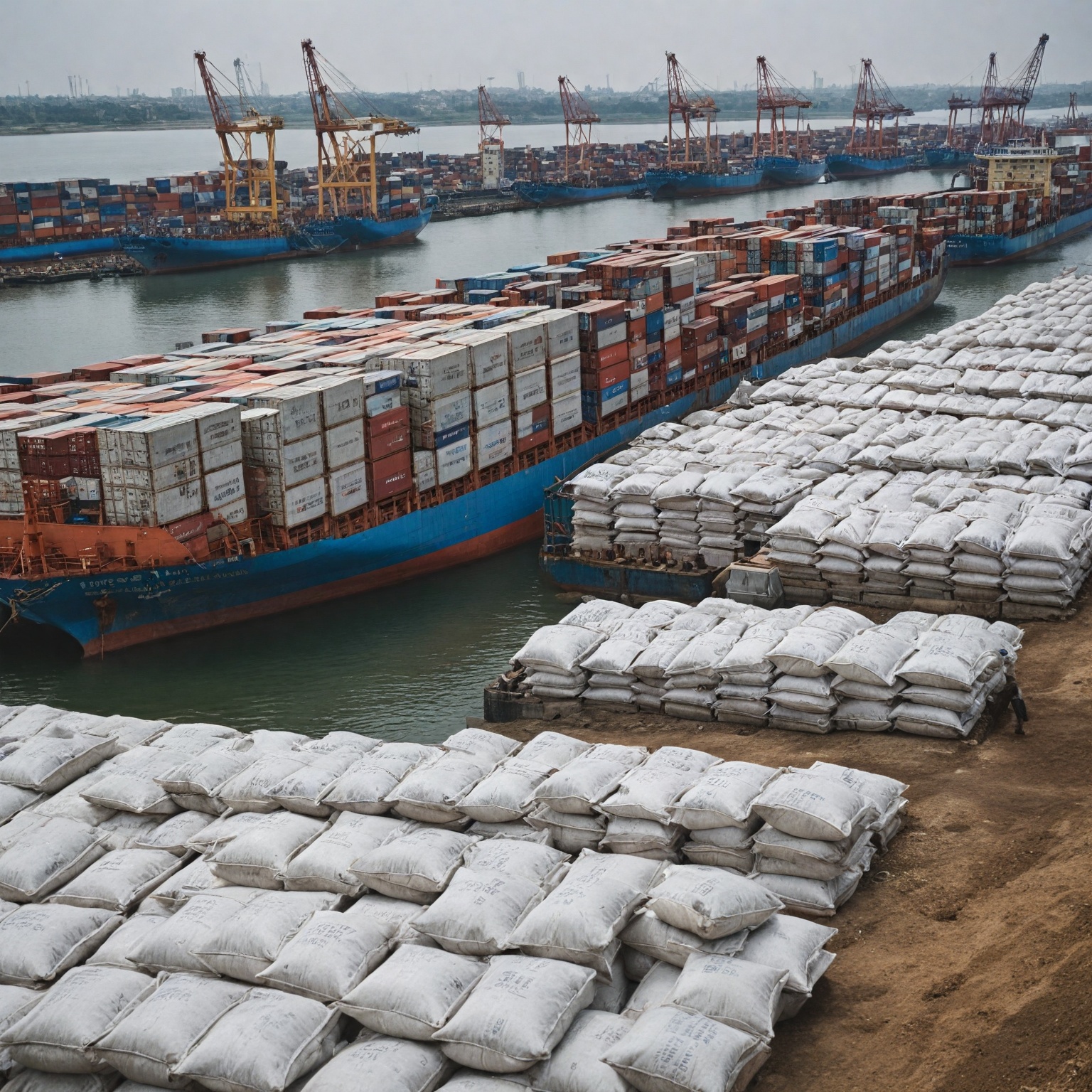
The escalating conflict between Iran and Israel has severely disrupted the export of Indian basmati rice, one of the country’s key agricultural commodities. India’s basmati rice exports, which reached approximately 6 million tonnes during the 2024-25 fiscal year, rely heavily on demand from Middle Eastern and West Asian markets, with Iran accounting for about 25% of total exports. However, the ongoing turmoil has resulted in significant shipment delays and payment issues, causing a substantial portion of rice consignments to be stranded at Indian ports such as Kandla and Mundra.
Exporters have reported that around 18-20% of India’s basmati rice shipments to Iran remain held up due to the absence of shipping vessels and lack of insurance coverage for vessels heading to Iran amid heightened regional instability. This disruption has not only affected logistical operations but also delayed payments, with outstanding dues for basmati trade with Iran estimated between ₹1,000-1,200 crore. Typically, the trade terms involve 20% advance payment and a 180-day credit period for the balance, aggravating financial risks for exporters amid the conflict.
Price dynamics have been impacted as well. Basmati rice export prices fell from around $950-1000 per tonne to $900-950 per tonne following the conflict’s escalation and subsequent trade slowdowns. Additionally, farmers and exporters have faced losses due to the slump in orders, with prices for paddy varieties like Basmati 1509 dropping by ₹200-300 per quintal in some markets. The uncertainty surrounding sea freight and rising shipping costs, driven by risks in the Red Sea corridor and insurance challenges, have further strained profit margins.
Key rice-exporting states like Punjab and Haryana, which collectively account for over half of India’s basmati exports to Iran, have been particularly affected. Exporters in Haryana, responsible for about 30% of shipments to Iran, report major disruptions in ship movements and payment collections. These challenges coincide with the kharif sowing season, raising concerns about potential impacts on basmati paddy cultivation and the broader agricultural economy.
The broader geopolitical instability has also heightened risks along critical trade routes. The Red Sea corridor, essential for shipments to Saudi Arabia and other Gulf countries, faces threats from regional hostilities and rebel activities, complicating logistics and increasing freight costs. These increased costs disproportionately affect exporters of low-margin goods, including basmati rice, making export operations more precarious.
In response, industry stakeholders and government officials have acknowledged the severity of the crisis, with discussions involving Union Commerce and Industry Minister Piyush Goyal scheduled to address these export hurdles. The conflict highlights the vulnerability of India’s basmati rice export sector to geopolitical tensions and underscores the need for diversified trade routes and risk mitigation strategies to safeguard this vital agricultural export.
Responses and Measures
In response to the disruptions caused by the Iran-Israel conflict on Indian basmati rice exports, various stakeholders including the government, exporters, and trade bodies have taken steps to address the challenges. The Indian government has continued to promote basmati rice exports by announcing Minimum Support Prices (MSP) annually to support rice cultivators, alongside efforts by organizations like the All India Rice Export Association (AIREA) to boost export volumes and market access. Additionally, the removal of the Minimum Export Price (MEP) barrier for certain basmati rice grades has facilitated greater access for global buyers, thereby expanding export opportunities.
However, exporters face significant operational hurdles due to shipping disruptions and payment delays linked to the ongoing conflict. Exporters in key rice-producing regions such as Haryana, which contributes around 30% of India’s basmati rice shipments to Iran, have reported severe delays in vessel movements and difficulties in receiving payments, partly because of international sanctions affecting currency transactions. The Indian Rice Exporters Federation has voiced concerns over outstanding dues amounting to ₹1,000–1,200 crore related to trade with Iran, where standard credit terms include a 20% advance payment with the remainder due after 180 days.
Insurance coverage for exports to Iran has also become scarce, with some insurance companies ceasing to provide export insurance for shipments to the country, further complicating risk management for exporters. Meanwhile, fears persist among exporters that other markets such as Azerbaijan and Kazakhstan could also be impacted if the conflict escalates, prompting heightened uncertainty in trade relations.
To mitigate broader risks associated with the conflict, experts have emphasized the need for India to diversify its trade routes and undersea cable connectivity, as well as to strengthen regional diplomatic frameworks through organizations like BIMSTEC and the Indian Ocean Rim Association, which could enhance protection of digital and physical trade infrastructure. Furthermore, the Ministry of Commerce and Industry has engaged with stakeholders from trade, shipping, and export sectors to assess the impact of the conflict and explore possible government interventions to support exporters during this turbulent period.
Market Reactions
The ongoing conflict between Israel and Iran has had a pronounced impact on the Indian basmati rice export market. As tensions escalated, countries, particularly in West Asia and Iran, initially increased their purchases to secure food supplies, anticipating possible disruptions in the region. However, the worsening situation has since led to a near halt in new orders from Iran, contributing to a decline in basmati rice prices.
Export prices for Indian basmati rice dropped from approximately $950–1000 per tonne to $900–950 per tonne within a month, reflecting concerns over rising freight costs and transshipment challenges caused by the conflict. This decrease is notable when compared to last year’s export prices, which exceeded $1,200 per tonne. The market observed a price correction after a period of subdued global demand, which had driven prices to their lowest point by April 2023. Subsequently, a surge in export demand during May caused prices to rebound by 15–20%, before the recent conflict-induced slump.
At the domestic level, basmati paddy prices have also suffered. For instance, the price of the 1509 basmati variety in Uttar Pradesh’s grain markets fell sharply, from Rs 3500 per quintal last year to around Rs 2700 per quintal recently, due to reduced buying from exporters who are cautious amid the export uncertainties. Farmers and millers alike have expressed concern over this decline, as major exporters have scaled back their procurement volumes.
The turmoil in the Middle East has additionally disrupted logistics and increased freight charges, further straining profit margins for Indian exporters. This has particularly affected sectors sensitive to shipping costs, compelling exporters to reassess pricing and operational strategies. Moreover, payment issues linked to longstanding sanctions and currency complications in the Iranian market have exacerbated challenges faced by exporters, with outstanding dues reportedly amounting to ₹1,000-1,200 crore.
On the broader financial front, the conflict’s spillover effects were evident in India’s stock markets, where indices like the BSE Sensex and Nifty 50 experienced sharp declines following news of Israeli strikes on Iranian sites. The oil and gas sector saw significant losses amid fears of supply disruptions, with Brent crude oil prices surging nearly 9%. Such market volatility further complicates the export environment for basmati rice and other commodities.
Future Outlook
The ongoing Israel-Iran conflict poses significant uncertainties for the future of Indian exports, particularly basmati rice and other key commodities. Stakeholders have expressed concerns that if the conflict persists, not only will exports to Iran continue to be disrupted, but trade with other regional markets such as Azerbaijan and Kazakhstan may also be adversely affected. The Ministry of Commerce and Industry is actively engaging with trade, shipping, and export sectors to devise strategies to mitigate these impacts and support exporters facing logistical and financial challenges.
Economic indicators already reflect the strain caused by the conflict. Indian exports fell by 9% in August 2024, largely due to a sharp 38% decline in petroleum product shipments linked to disruptions in the Red Sea trade routes. This downturn has been compounded by rising freight and logistics costs, which have squeezed the profit margins of exporters dealing in textiles, garments, and low-end engineering goods. For the tea industry, which heavily depends on Iran as a key importer, uncertainties over continued shipments threaten long-term trade stability.
Looking ahead, the conflict’s repercussions extend beyond trade volumes to broader strategic concerns for India. The disruption of critical undersea data cables in the Red Sea in 2024 highlights vulnerabilities in connectivity and communications that are vital for India’s digital economy. Additionally, the escalating tensions risk impacting agricultural cycles, such as the kharif sowing season for basmati paddy, by delaying shipments and increasing costs for exporters from Punjab and other regions.
India faces a complex diplomatic and economic balancing act in this context. The country must safeguard its energy security and regional connectivity initiatives, including projects like the Chabahar Port, while maintaining a neutral stance amid escalating regional tensions. How effectively the government and industry coordinate responses to these challenges will be critical in determining the resilience and recovery of Indian exports in the coming months.
The content is provided by Avery Redwood, Know Heaven