
Summary
IKEA’s Exciting Plan Introducing 10,000 sq ft Mini-Stores in Smaller Indian Cities marks a strategic evolution in the Swedish furniture giant’s approach to the Indian retail market. Known globally for its large-format warehouse stores offering ready-to-assemble furniture and home goods, IKEA is now adapting its business model to include smaller-format mini-stores ranging from 30,000 to 40,000 square feet. This shift aims to increase accessibility and convenience for consumers in India’s smaller cities and densely populated urban centers, complementing its existing large stores in major metropolitan areas like Mumbai, Bengaluru, and Hyderabad.
The mini-stores focus on curated product categories such as accessories and planning services, differing from IKEA’s traditional comprehensive big-box experience that includes extensive product displays, dining options, and play areas. Equipped with digital catalogs, these stores allow customers to explore the full range of over 7,000 IKEA products and place orders for home delivery or collection, integrating physical retail with e-commerce in an omnichannel format designed to attract younger, tech-savvy consumers. This approach reflects IKEA’s deep understanding of Indian consumer behavior, including price sensitivity, limited vehicle ownership, and preferences for localized product solutions.
IKEA’s decision to roll out mini-stores in key urban markets such as Delhi NCR, Mumbai, and Pune is part of a broader effort to strengthen its presence and better serve diverse consumer segments. By offering a combination of large destination stores and smaller city-center outlets, IKEA aims to balance the immersive shopping experience with everyday convenience, addressing real estate constraints and market dynamics unique to India. This multi-format strategy aligns with the growth of organized retail in India’s furniture sector and supports local sourcing initiatives that contribute to economic development and sustainability.
However, the plan faces challenges and criticisms, including concerns over whether the smaller stores can maintain IKEA’s brand promise of extensive product variety and experiential shopping. Questions remain about the ability of these compact formats to fully meet consumer expectations across varied markets and cultural contexts. Additionally, the rollout timeline extending into 2025 introduces uncertainty amid evolving competitive pressures and consumer preferences. Despite these hurdles, IKEA’s innovative expansion model positions the company to deepen its market penetration and influence in India’s rapidly evolving retail landscape.
Background
IKEA, a multinational conglomerate founded in Sweden, is renowned for designing and selling ready-to-assemble furniture and household goods through a combination of not-for-profit and for-profit entities. Globally, IKEA operates 403 stores across 49 countries, serving millions of customers both in physical stores and online, with a strong commitment to sustainability and community engagement as core components of its business model.
In its expansion into India, IKEA has tailored its approach to meet the unique demands of the local market. The company conducted extensive research, including over 1,000 visits to Indian homes, to understand customer preferences and needs. This groundwork informed its strategy to innovate and differentiate its product offerings specifically for India. To better cater to the price-sensitive Indian market, IKEA developed a local sourcing strategy, ensuring that more than 1,000 products are made from locally sourced materials and introducing a section dedicated to affordable products.
IKEA’s entry into India has positively impacted the local economy by creating jobs and contributing to economic growth, while its emphasis on sustainability and local sourcing has helped the company resonate with Indian consumers. The company initially focused on large destination stores, approximately 50,000 to 150,000 square feet in size, in major cities such as Mumbai, Hyderabad, and Pune. Alongside this, IKEA has emphasized the importance of omnichannel retailing, enabling customers to shop online to increase accessibility.
To extend its reach beyond metropolitan areas, IKEA is now exploring smaller, more convenient store formats ranging from 30,000 to 40,000 square feet. These mini-stores aim to provide easier access to IKEA products in smaller cities, reflecting the company’s effort to broaden its customer base and introduce its offerings to a younger demographic across India.
Mini-Store Concept and Strategic Goals
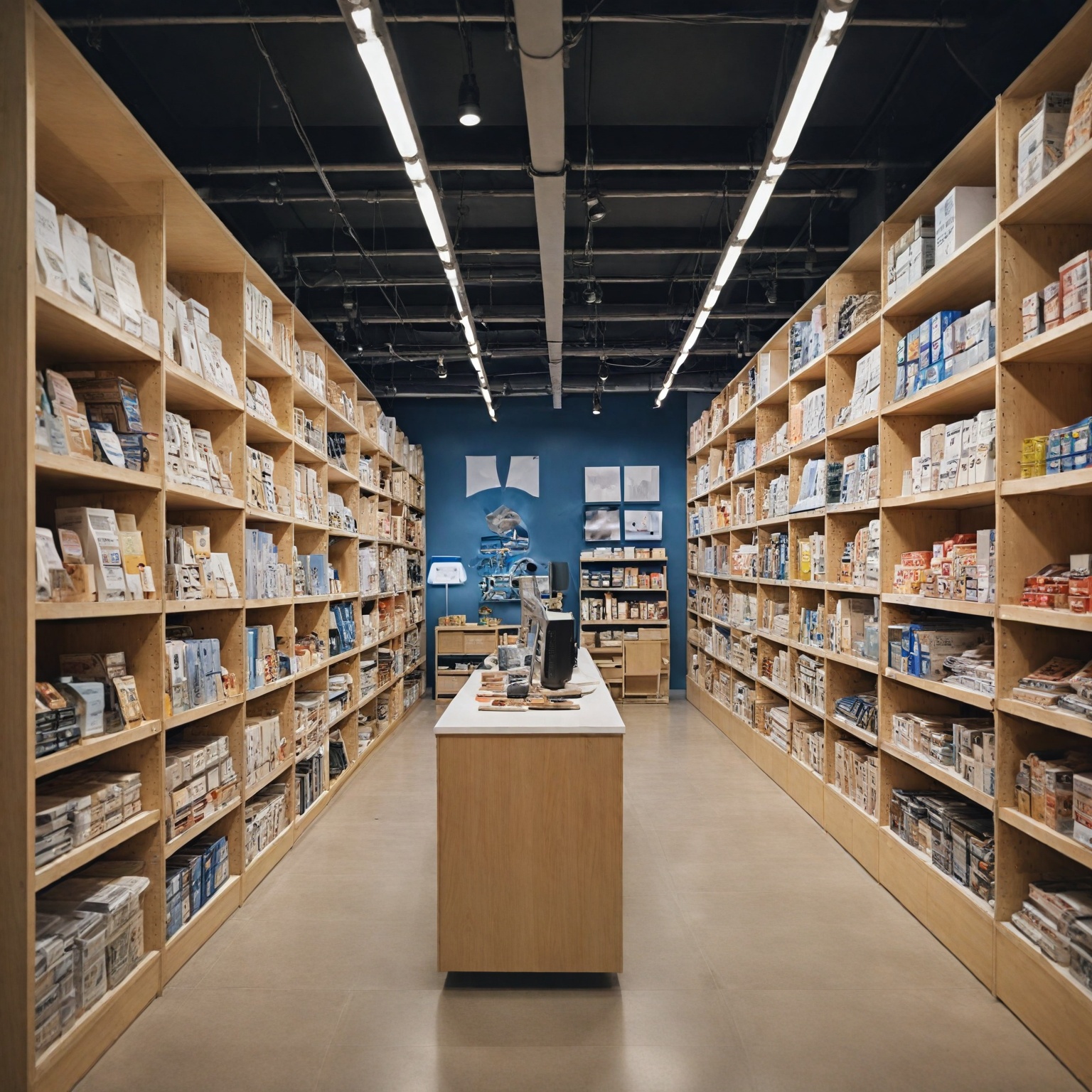
IKEA is implementing a strategic shift in India by introducing smaller-format mini-stores, ranging between 30,000 and 40,000 square feet, as part of its effort to expand reach and accessibility in key urban markets. Unlike the traditional large warehouse-style stores that offer a comprehensive shopping experience—including a wide range of products, dining options, and play areas for children—these mini-stores will focus on specific product categories such as accessories and planning services tailored to local market needs. This approach aims to complement IKEA’s existing large-format stores by providing convenient city-center locations where customers can easily walk in and shop, addressing the importance of access and reach in the Indian context.
The initial rollout of these mini-stores is expected in major cities, with Delhi being a likely location, followed by Mumbai, Bengaluru, or Hyderabad. While IKEA currently prioritizes six metropolitan areas—Hyderabad, Bengaluru, Mumbai, Delhi NCR, Chennai, and Pune—the smaller store format enhances the company’s ability to serve more consumers within these urban centers through multiple outlets. For example, larger cities are anticipated to host one or two large-format stores alongside several smaller stores to cater to different customer segments and shopping preferences.
To bridge the gap between physical and digital retail, these mini-stores will have a limited physical display but will be equipped with digital catalogs, enabling customers to explore IKEA’s full product range of approximately 7,000 items and place orders through various delivery options such as home delivery or collection points. This omnichannel model is designed to offer seamless shopping experiences, integrating online and in-store interactions to attract a younger, tech-savvy customer base.
IKEA’s mini-store strategy also reflects an understanding of Indian consumers’ unique behaviors and constraints. With lower vehicle ownership among the middle class limiting the transport of large furniture items, and a cultural preference for conventional home decor, IKEA is adapting by providing planning studios with market-specific kitchen solutions and assisting customers in assembling DIY products—introducing a new furniture-buying paradigm to the Indian market.
Target Locations and Market Selection
IKEA’s expansion strategy in India focuses on introducing smaller-format stores alongside its existing large outlets to increase accessibility and cater to diverse consumer needs. The company is prioritizing six key cities for its initial rollout of mini stores, each ranging from 30,000 to 40,000 square feet. These cities include Delhi NCR, Mumbai, Bengaluru, Hyderabad, Chennai, and Pune, reflecting IKEA’s intent to strengthen its presence in major urban markets where demand for convenient shopping formats is high.
Delhi is positioned as a critical market for the next phase of expansion, with plans to open smaller stores by early 2025. The approach involves establishing a customer distribution centre (CDC) first, followed by the launch of these compact stores, thereby enhancing IKEA’s reach in the northern region of India. Alongside Delhi, cities like Chandigarh and Noida are also under consideration, with the latter already seeing development activity under the Ingka Centres’ Lykli brand.
While large-format IKEA stores—often called big-box outlets—continue to serve as comprehensive destinations offering a wide range of products and amenities, including dining and play areas, the smaller stores are designed to focus on specific product categories such as accessories and planning services. This dual-format strategy aims to balance the “fun day-out” shopping experience with more convenient and accessible options for everyday purchases.
In markets like Mumbai, further large stores may be limited due to real estate constraints, but the city is expected to support multiple smaller stores. This combination of one or two large stores with several smaller stores, complemented by an online presence, reflects IKEA India’s nuanced approach to urban market penetration and customer accessibility.
IKEA’s decision to concentrate on these metropolitan centers aligns with the broader trend of organized retail growth in India’s furniture and home furnishing sector. The company’s strategy takes into account local consumer preferences, price sensitivity, and the competitive landscape, positioning the smaller store formats as a means to bring IKEA’s products closer to customers and integrate local market characteristics. This measured market selection ensures that IKEA can cater effectively to varied consumer segments while building on its existing footprint in the country.
Implementation Strategy and Timeline
IKEA’s strategy for introducing its new mini-stores in smaller Indian cities is designed to complement its existing large-format stores and online presence, thereby increasing accessibility and catering to diverse consumer needs across India. The mini-stores will focus on specific product categories, accessories, and planning services, contrasting with the company’s larger stores that serve as comprehensive destinations featuring shopping, dining, and play areas for children.
The rollout of these smaller stores reflects a strategic shift in IKEA’s approach to the Indian market, aiming to enhance reach and convenience in key urban centers. Initial locations for the mini-stores are likely to include Delhi and potentially existing markets such as Mumbai, Bengaluru, and Hyderabad. These stores, ranging from approximately 30,000 to 40,000 sq. ft., are designed to provide a curated selection of products tailored to local preferences while leveraging digital catalogues to showcase the broader range of over 7,000 IKEA products available for order.
IKEA’s omnichannel model integrates both physical stores and a strong online platform, offering customers multiple delivery options including home delivery, collection points, or third-party pickups. This seamless integration is intended to engage a younger customer base and maximize market penetration in India’s diverse retail landscape.
Regarding timelines, industry sources indicate that the rollout of the mini-stores could begin by 2025, with Delhi-NCR expected to be the next major market to open, supported initially by a customer distribution center (CDC) and followed by the launch of smaller-format stores. IKEA continues to actively seek suitable locations across various Indian cities, with land acquisitions already made in Bengaluru and Gurugram, underscoring the company’s ambition to establish a presence in as many urban markets as possible through varied store formats and digital channels.
Consumer Behavior and Market Impact
The Indian consumer market presents unique challenges and opportunities for IKEA, primarily due to the strong negotiating power of customers driven by their price sensitivity, awareness, and preference for purchasing standardized goods in bulk. Indian consumers demand high-quality products coupled with superior customer service at affordable prices, necessitating IKEA to focus on cost-effective offerings tailored to local expectations. This price-conscious behavior compels IKEA to emphasize both product quality and competitive pricing to maintain strategic competitiveness in the market.
IKEA’s entry into India has had a notable impact on the local economy and retail landscape. The company’s stores have not only provided job opportunities but also contributed to regional economic growth through their commitment to sustainability and sourcing from local suppliers. This approach has reinforced IKEA’s reputation as a global brand that effectively adapts its strategies to fit local market conditions and cultural nuances. By catering to the preferences and buying habits of Indian consumers, IKEA has enhanced customer satisfaction through a unique shopping experience and quality offerings.
To further capitalize on Indian consumer behavior and expand market reach, IKEA is strategically shifting towards smaller store formats, ranging from 30,000 to 40,000 square feet, focusing on specific product categories, accessories, and planning services. These mini stores are designed to provide greater accessibility and convenience, addressing the need for easier shopping options beyond the existing large-format destination stores, which typically range from 50,000 to 150,000 square feet. The smaller stores aim to attract a younger demographic by enabling quicker and more focused shopping experiences while maintaining IKEA’s brand appeal.
This omnichannel and multi-format retail model, including planned online expansions in cities such as Mumbai, Hyderabad, and Pune, positions IKEA to compete effectively with established Indian players like Urban Ladder and Livspace, as well as to tap into the evolving, more organized furniture market in India. By blending physical mini stores with enhanced digital platforms, IKEA is poised to deepen its penetration into smaller cities and emerging consumer segments, thus driving further transformation in India’s retail and furniture sectors.
Challenges and Criticisms
IKEA’s plan to introduce 10,000 sq ft mini-stores in smaller Indian cities marks a significant strategic shift from its traditional large-format outlets. However, this approach faces several challenges and criticisms. One primary concern is whether these smaller stores, focusing on specific product categories and planning services rather than the comprehensive offerings of big-box stores, can adequately meet diverse consumer needs across varied markets. Unlike the larger stores that serve as one-stop destinations including shopping, dining, and play areas, mini-stores might limit customer experience and product accessibility.
Another challenge lies in local market adaptation. While IKEA aims to tailor its mini-store offerings to reflect local community needs and city center dynamics, ensuring that these smaller footprints deliver solutions that resonate with each unique market remains complex. Additionally, the rollout timeline, potentially extending to 2025, introduces uncertainty regarding market response and competitive positioning as consumer preferences evolve.
Critics also highlight accessibility concerns. Although smaller stores increase IKEA’s physical presence and accessibility in more locations, there are worries about whether these stores can maintain IKEA’s brand promise of extensive product range and experiential shopping in a significantly reduced space. Moreover, with existing IKEA stores primarily concentrated in major metropolitan areas, consumers in smaller cities might still face limited reach or service inconsistencies, raising questions about the inclusivity of this expansion strategy.
Finally, the initiative’s success depends heavily on effective brand positioning and awareness in these new markets. While IKEA has conducted brand awareness campaigns prior to store openings, sustaining consumer engagement and familiarity in smaller cities with different cultural and economic contexts could present ongoing hurdles.
Future Prospects and Growth
IKEA is embarking on its next phase of expansion in India by focusing on smaller-format stores and enhancing its online presence to cater to evolving consumer habits. The company plans to introduce mini-stores in smaller cities, alongside developing large-format stores in major urban centers like Bengaluru and Delhi as part of its initial expansion phase. This multi-format strategy aims to increase accessibility and offer flexible, affordable shopping options tailored to diverse markets across the country.
The city-centre store model is central to IKEA’s growth plan, representing a significant shift from its traditional large-store format. This approach allows IKEA to bring localized product offerings and shopping experiences into more accessible urban locations, better aligning with Indian consumers’ preferences and lifestyles. By integrating different retail formats, IKEA seeks to create a variety of customer experiences while maintaining the core elements of its global brand.
IKEA’s expansion also reflects its strategic understanding of India’s furniture market, which is becoming increasingly organized and competitive with the entry of global brands and consolidation among large retailers. By blending its global identity with local relevance—through local sourcing, addressing regulatory challenges, and adapting product ranges to specific regional needs—IKEA has established a strong foothold in this dynamic market. This localized approach not only enhances customer satisfaction but also contributes to job creation and economic growth in India.
The content is provided by Jordan Fields, Know Heaven