Final Vote Nears as Trumps Landmark Bill Gains Momentum with Republican Defectors Support
Summary
President Donald Trump’s landmark domestic policy bill, informally known as the “One Big Beautiful Bill,” represents a sweeping legislative package introduced in 2025 aimed at extending and expanding the pro-growth tax policies first enacted in his 2017 tax cuts. The 940-page bill combined significant tax reforms with broad spending adjustments, including cuts to Medicaid, the Supplemental Nutrition Assistance Program (SNAP), and clean energy funding, alongside increased allocations for national defense and immigration enforcement. Positioned as a cornerstone of Trump’s second-term agenda, the bill sought to reshape federal fiscal priorities and spur economic growth, attracting both strong advocacy from business groups and fierce opposition from various political factions.
The legislative journey of the bill was marked by intense negotiations and pronounced divisions within the Republican Party. While Senate Majority Leader John Thune and Vice President J.D. Vance managed to secure a narrow Senate victory, the bill faced a precarious path in the House of Representatives due to defections from both moderate and fiscal conservative Republicans. These dissenters objected to provisions such as reductions in social programs, changes to state and local tax (SALT) deduction caps, and overall federal spending increases, highlighting ideological and regional fractures within the GOP. Speaker Mike Johnson and President Trump personally lobbied wavering members to consolidate support, employing both political negotiation and public pressure amid fears that defections could derail the bill entirely.
The procedural complexity of the bill’s passage underscored the challenges of advancing major legislation in a closely divided Congress. Utilizing budget reconciliation rules to bypass the Senate filibuster, Republican leaders navigated parliamentary scrutiny and amendment demands, while House committee deliberations and procedural votes threatened delays. Despite successful Senate approval and efforts to overcome Republican opposition, the final House vote remained uncertain, with Democratic leaders vowing to employ delaying tactics and critique the bill’s impact on social welfare and fiscal responsibility.
Reactions to the bill’s passage were sharply polarized. Supporters, including the Small Business & Entrepreneurship Council and various industry groups, praised the legislation for its potential to stabilize tax policy, promote job creation, and enhance economic competitiveness. Conversely, Democrats and some Republicans condemned the bill as fiscally irresponsible and harmful to vulnerable populations, framing it as a partisan measure that deepened intraparty divisions and challenged the traditional legislative process. The bill’s contentious path and narrow margins highlighted the complexities of governing amid ideological fragmentation and underscored the high stakes of Trump’s legislative ambitions in 2025.
Background
The passage of President Donald Trump’s comprehensive budget and tax legislation, often referred to as the “One Big Beautiful Bill Act,” encountered significant challenges and intense political negotiation as it made its way through Congress in 2025. The bill aimed to extend and expand the pro-growth tax policies initially introduced in Trump’s 2017 tax cuts, alongside sweeping changes to domestic spending, including substantial cuts to Medicaid, SNAP, and clean energy funding, while boosting military and immigration enforcement budgets.
Republican lawmakers faced internal divisions over the bill’s provisions, reflecting competing ideological, political, and regional interests within the party. Key issues such as Medicaid reductions, rollback of clean energy funding, and tax measures, including modifications to the state and local tax (SALT) deduction cap, sparked debate and delayed consensus. Senate Majority Leader John Thune played a crucial role in steering the bill through the Senate, securing the narrow support of GOP senators despite some opposition and confusion over certain energy tax provisions.
The bill garnered praise from various industry groups and advocacy organizations for its anticipated economic benefits and tax certainty. Supporters such as the Small Business & Entrepreneurship Council, National Corn Growers Association, and Business Roundtable highlighted the bill’s potential to spur job creation, stabilize tax policy for small businesses and farmers, and sustain wage growth. Conversely, dissenting voices within the Republican caucus expressed concern over government spending and the bill’s broad scope, with some members known for resisting spending increases or debt ceiling raises.
President Trump actively lobbied lawmakers to secure their votes, using his platform to exert pressure and consolidate support amid wavering commitments from certain Republicans. This effort underscored the high stakes associated with the legislation, as it represented a cornerstone of Trump’s second-term agenda and a test of Republican unity in Congress. Meanwhile, Senate Minority Leader Chuck Schumer sharply criticized the bill, accusing Senate Republicans of betraying the American people and highlighting the partisan tensions surrounding the legislation’s passage.
The constitutional framework for the legislative process, rooted in Article I, Section 1 of the U.S. Constitution, places the primary responsibility for originating laws in the House of Representatives, where debate and amendments often shape the final outcome. This procedural context played a significant role in the bill’s development and the efforts to reconcile differences between the House and Senate versions. Overall, the bill’s journey illustrated the complexities of advancing a major policy package amid intra-party divisions and the broader political landscape of Washington in 2025.
Legislative Process
The legislative process for President Donald Trump’s landmark domestic policy bill has been marked by intense negotiations and procedural maneuvers in both chambers of Congress. The bill, a sprawling 940-page package encompassing tax breaks, spending cuts, national defense funding, and immigration measures, has navigated a complex path toward final approval.
In the Senate, the bill underwent rigorous scrutiny, including a “scrubbing” by the chamber’s parliamentarian to ensure compliance with budget reconciliation rules. This process allows the majority party to bypass the traditional 60-vote threshold, effectively excluding the minority party from blocking the legislation. The Senate, with its reliance on unanimous consent and open debate, also faced demands for amendments from both moderate and conservative Republicans, reflecting internal divisions within the party. While some senators like Susan Collins signaled tentative support for debate, they expressed reservations about final passage unless substantial revisions were made. The bill’s Senate version was ultimately approved and sent to the House, where it was assigned to the House Rules Committee to set terms for debate.
In the House of Representatives, the Rules Committee took up the Senate version amid a rushed effort by Republican leaders to meet President Trump’s self-imposed July 4 deadline. The committee’s deliberations could extend for hours as procedural votes were anticipated before the final passage vote. Democrats, led by figures such as House Minority Leader Hakeem Jeffries, vowed to employ all available legislative tools, including procedural motions, to delay the bill’s passage. Nonetheless, after overcoming resistance from GOP holdouts through overnight negotiations and concessions, Republican leaders advanced the bill to a final vote scheduled for Thursday.
If the House were to reject or amend the Senate’s version, the two chambers would face the prospect of returning the bill to the Senate for further consideration or appointing a conference committee to reconcile differences. This step follows the constitutional design whereby both chambers must agree on identical text before a bill proceeds to the president for signature. Throughout this process, bipartisan mediation efforts sought to bridge divides and foster a framework agreement, though the legislative path remained fraught with challenges.
Advocacy groups from various sectors, including small business and wireless communications, voiced strong support for the bill’s provisions, emphasizing its potential to fuel innovation and economic growth. The final stages of the legislative process thus represented a balancing act between party unity, policy priorities, and procedural strategy as the bill edged closer to becoming law.
Republican Defectors
As the final vote on the tax-and-spending package approached, the Republican Party faced significant internal divisions, with several members defecting from party leadership to oppose the bill. Sens. Rand Paul and Thom Tillis were among the early high-profile dissenters, and GOP leaders found themselves able to tolerate only a limited number of defections due to their razor-thin majority in the House. The bill’s prospects hinged precariously on securing just enough support to pass, with four defectors potentially dooming the legislation.
The dissent within the Republican ranks was rooted in ideological and regional differences. Some defectors, such as Representatives Andy Biggs (Arizona), Andrew Clyde (Georgia), Josh Brecheen (Oklahoma), and Tim Burchett (Tennessee), have a longstanding record of opposing government spending increases and debt ceiling hikes. These members, often representing solidly Republican districts, wielded enough independence to resist party pressure, despite otherwise demonstrating loyalty to former President Trump in other contexts. For example, several of these defectors had publicly supported Trump during his legal challenges, underscoring the complexity of their opposition to this specific bill.
The opposition included two primary factions within the House GOP. On one side were moderate Republicans, mainly from states like New York and California, who sought changes to the state and local tax (SALT) provisions, demanding higher exemptions to benefit their constituents. On the other side were fiscal conservatives, many affiliated with the House Freedom Caucus, who objected to the overall increase in federal spending and the expansion of the deficit. These conflicting demands created a challenging environment for Speaker Mike Johnson, who faced immense pressure to balance competing interests within his party.
Efforts to win over holdouts included meetings and negotiations led by Johnson and direct appeals from Trump himself. Some Republicans who had initially opposed the bill later expressed tentative support, citing positive messaging on issues like Medicaid and assurances that vulnerable populations would not be adversely affected. However, despite these overtures, several remained unconvinced or sought further concessions before committing their votes. Trump used his influence to pressure dissenters, warning that failure to support the bill could lead to primary challenges backed by him, and framing opposition as playing into Democratic hands.
The possibility of defections extended beyond mere votes; some Republicans discussed procedural tactics to block the bill’s consideration entirely by voting against the rule that would bring it to the floor. This underscored the depth of resistance and the challenge Johnson faced in maintaining party unity. Ultimately, the defection of just a few key Republicans risked the entire package’s passage, highlighting the precarious nature of the GOP’s control and the contentious path the legislation faced in Congress.
Momentum Building and Political Strategy
The push to pass President Donald Trump’s domestic agenda bill, known as the “One Big Beautiful Bill,” gained significant momentum as Republican leaders intensified efforts to secure enough votes for final passage. Senate Majority Leader John Thune and Vice President J.D. Vance played pivotal roles in rallying support among GOP senators and addressing holdouts through intense negotiations that lasted up to the final moments before the vote. The Senate narrowly advanced the bill with a 51-49 vote, overcoming resistance from a small group of Republicans and all Democrats.
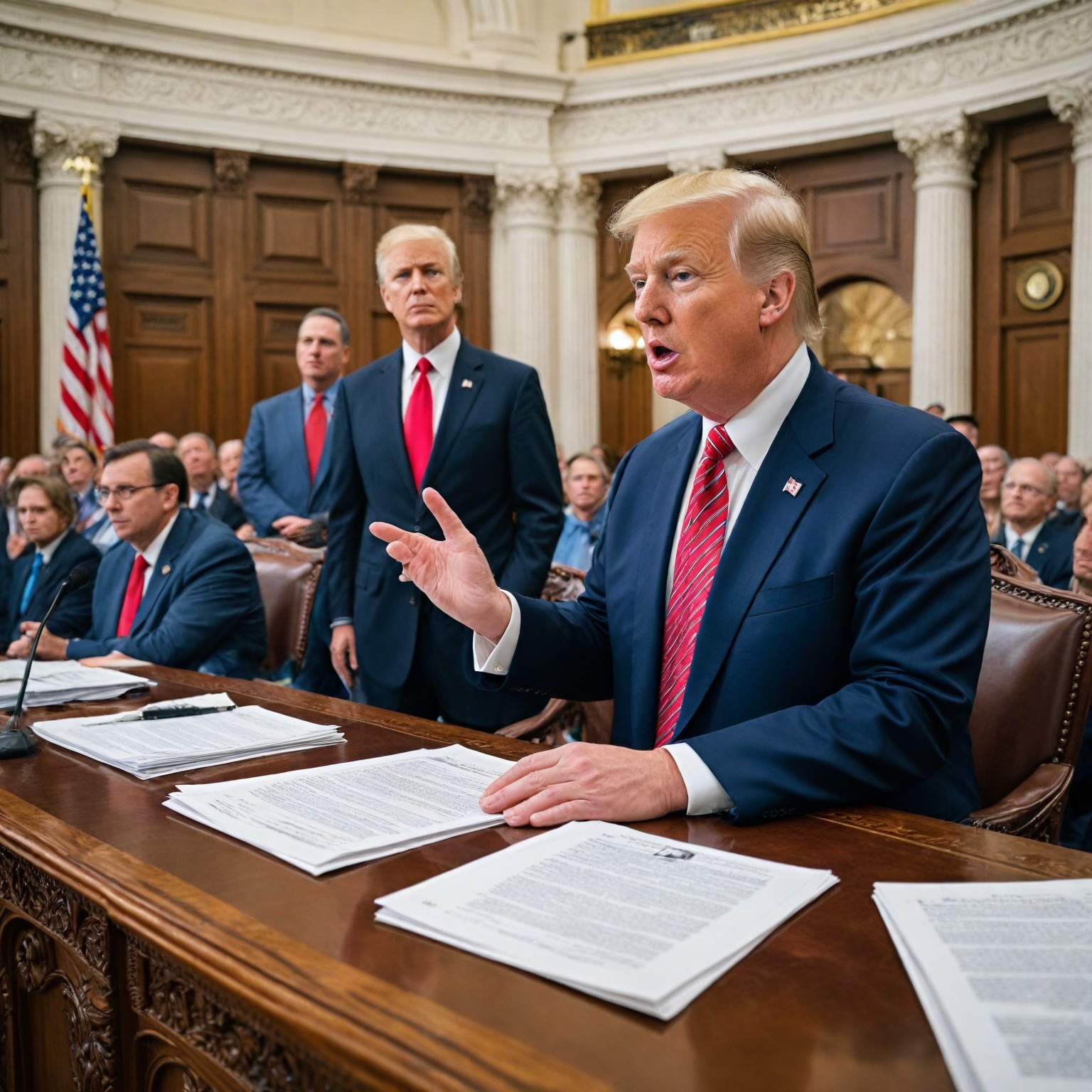
President Trump himself actively engaged in persuading wavering House Republicans, employing both encouragement and pressure to prevent defections that could derail the bill. He repeatedly urged members not to “give the Democrats a win” and used the power of his bully pulpit to emphasize the importance of party unity and swift passage. This direct involvement underscored the administration’s determination to deliver on the “once-in-a-generation” legislative opportunity that the bill represented.
Within the House, Republican leaders faced a delicate balancing act to manage a fractious caucus comprising moderates, fiscal hawks, and hardliners. Members such as Andy Biggs, Andrew Clyde, and Josh Brecheen, known for their steadfast opposition to previous spending bills, presented challenges by resisting tax-and-spending increases despite showing loyalty to Trump in other ways. Leadership was compelled to negotiate amendments and concessions to secure the necessary votes, while also anticipating procedural delays and possible obstruction tactics from Democrats.
To counter potential financial influence from external actors, Republican strategists planned targeted ground game efforts through new super PACs focusing on key races where challenges to Trump-endorsed candidates might emerge. Meanwhile, advocacy groups including the Small Business & Entrepreneurship Council and the National Federation of Independent Business voiced strong support for the bill’s pro-growth and pro-small business provisions, applying public pressure on lawmakers to act swiftly.
Ultimately, the legislative strategy combined high-level negotiations, grassroots political maneuvering, and sustained presidential pressure to build momentum toward passing the bill by the crucial July 4 deadline. Senate and House leaders expressed confidence in delivering the legislation as a fulfillment of the Republican mandate, emphasizing the bill’s alignment with the America First agenda and the party’s broader policy goals.
Final Vote and Procedural Details
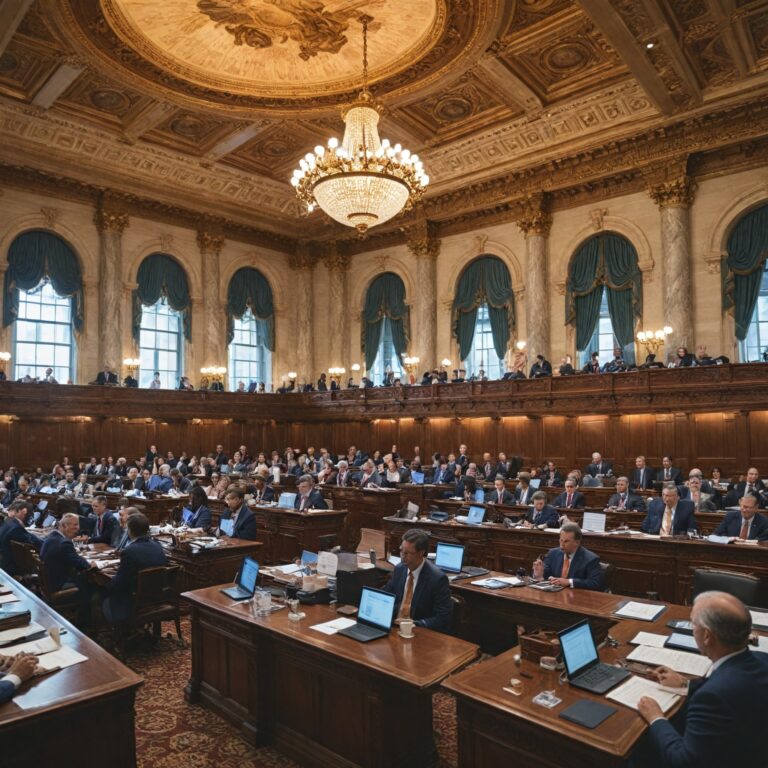
The final vote on President Trump’s landmark legislative bill is approaching in the House of Representatives after a tumultuous period marked by intense negotiations and significant opposition within the Republican Party. Republican leaders overcame resistance from GOP holdouts during a protracted overnight session, allowing the Senate version of the bill to advance early Thursday morning. The House is scheduled to conduct the final vote ahead of the president’s self-imposed July 4 deadline to sign the measure into law.
Prior to the House vote, the House Rules Committee took up the Senate’s version of the bill, initiating a process that could extend for hours. If the bill passes the Rules Committee, the House is expected to convene at 9 a.m. ET to begin debating the legislation. GOP leaders anticipate two rounds of voting: one procedural vote to pass the rule governing debate and a second for final passage. However, the timing remains uncertain due to potential delay tactics from Democrats, who may seek to extend the debate and complicate the process.
The procedural framework for the bill’s consideration in the House is governed by established rules intended to promote debate and amendment. The report on the bill must have been available for at least three days and cannot be privileged under House rules. General debate is limited to two hours, split evenly between supporters and opponents. A simple majority of members present is sufficient to pass the measure. This procedure, although rarely used, offers an alternative method of consideration when the Committee on Rules has not reported a rule specific to the bill. The process reflects the constitutional principle that legislative powers are vested in Congress, with the House playing a central role in the origin and discussion of most laws.
The Senate’s passage of the bill was notably contentious, requiring Vice President JD Vance to cast a tie-breaking vote following a 50-50 split. This razor-thin margin underscored the deep divisions within the Republican caucus, as several GOP senators withheld their support initially. Senators Lisa Murkowski, Rick Scott, Mike Lee, and Cynthia Lummis were among those who held out, prompting extensive negotiations involving Senate leadership and the Vice President himself. Ultimately, compromises, such as securing a vote on an amendment aimed at tightening Medicaid eligibility for single, childless able-bodied individuals, helped sway some holdouts. Senate Majority Leader John Thune and others worked to rally sufficient support to move the bill forward, highlighting the delicate balancing act required to secure passage.
The legislative package was further scrutinized by the Senate parliamentarian to ensure compliance with the budget reconciliation process rules, a procedural tactic employed by Republicans to bypass the standard 60-vote threshold in the Senate and exclude Democratic input. This process was crucial to the bill’s advancement in a closely divided chamber.
Despite the Senate’s success, the House Republican leadership faced uncertainty in garnering enough support among its members to pass the bill. Speaker Mike Johnson confronted challenges in persuading holdouts to drop their opposition, with the risk that any amendments or changes made in the House could send the bill back to the Senate, jeopardizing the July 4 deadline.
Reactions and Aftermath
The passage of President Donald Trump’s landmark policy bill elicited a wide range of reactions from political leaders, advocacy groups, and industry representatives. Senate Minority Leader Chuck Schumer strongly condemned the bill’s approval, accusing Senate Republicans of betraying the American people and bringing shame upon the Senate. He highlighted the deep divisions within the Republican Party by noting that one Republican senator chose to retire rather than support the legislation, which he described as irredeemable and driven by fear of Trump’s influence. Schumer further criticized GOP lawmakers for voting in deference to Trump and his wealthy allies, underscoring the intense internal conflict within the party.
House Republican leaders faced significant challenges in securing enough support for the bill, as factions within the party held opposing demands. The narrow Republican majority in the House meant that losing even a few members could jeopardize the bill’s passage, contributing to tense negotiations and a delayed timeline that missed a self-imposed Memorial Day deadline. Moderate Republicans from high-tax states sought exemptions to protect their constituents, while conservative members, particularly from the House Freedom Caucus, expressed concerns over the bill’s fiscal impact and rising deficits[
The content is provided by Avery Redwood, Know Heaven