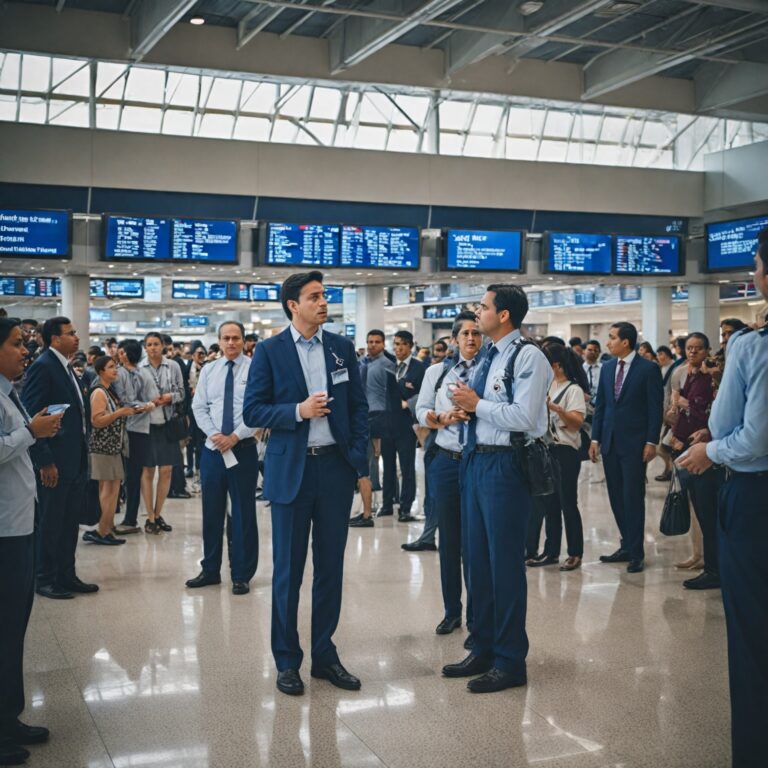
Exciting Update: Indian Delegation Arrives in Washington DC for New Round of India-US Trade Negotiations
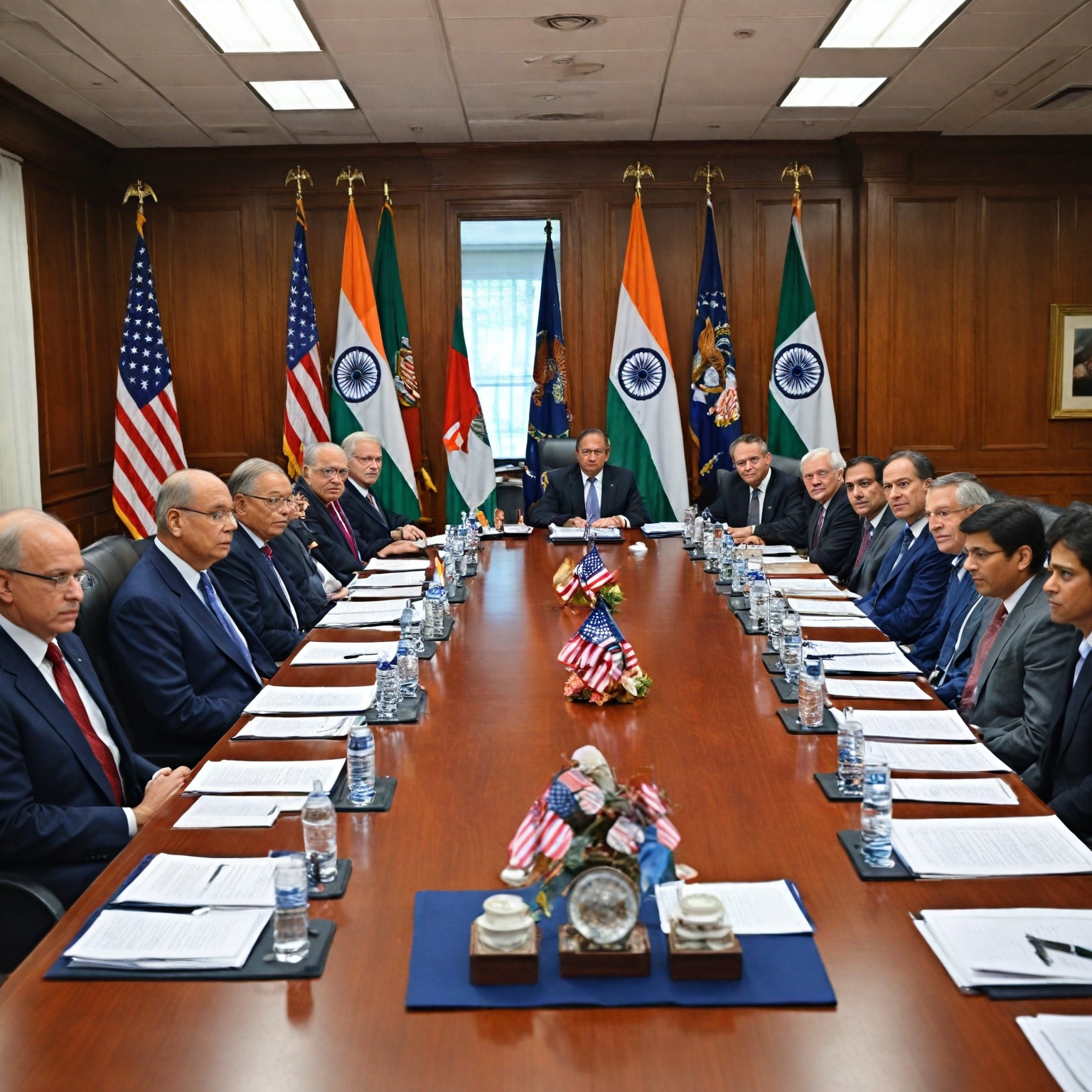
Summary
The India–United States trade negotiations represent a significant effort by both countries to deepen their economic partnership through a comprehensive Bilateral Trade Agreement (BTA). Initiated in the wake of escalating trade tensions and tariff disputes, these talks aim to address longstanding barriers, reduce tariffs, and improve market access across multiple sectors including agriculture, automobiles, pharmaceuticals, and technology. The negotiations form a critical component of the broader India–U.S. Comprehensive Global Strategic Partnership, which encompasses defense cooperation, technological collaboration, and counterterrorism efforts.
A high-level Indian delegation, led by Rajesh Agrawal—India’s chief trade negotiator and incoming commerce secretary—arrived in Washington, D.C., in mid-2025 to advance the latest round of negotiations, following preliminary agenda-setting discussions by an advance team. Both countries have set ambitious goals under the “Mission 500” initiative to more than double bilateral trade to $500 billion by 2030, with the first phase of the BTA targeted for completion by fall 2025. The talks also include India’s pursuit of recognition as a Trade Agreements Act-designated country and efforts to enhance transparency in bilateral government procurement.
Despite progress, the negotiations remain complex and contentious, with issues such as reciprocal tariffs, sanitary and phytosanitary measures, and restrictions on agricultural imports continuing to challenge consensus. The United States has used tariff policies as leverage to address trade imbalances, while India has sought to protect sensitive domestic sectors, reflecting the delicate balance between economic and political considerations in the talks. The ongoing dialogue is thus closely watched as a barometer of the evolving economic and strategic ties between the two democracies.
The outcome of these negotiations is expected to have far-reaching implications not only for bilateral trade but also for geopolitical dynamics in the Indo-Pacific region, given the shared interest of both nations in countering regional challenges and fostering secure technology cooperation. Successful conclusion of the BTA would mark a milestone in India–U.S. relations, setting a precedent for future economic collaboration aligned with strategic partnership goals.
Background
The India–United States trade relationship has been a focal point of strategic and economic cooperation, with both countries actively seeking to deepen ties and resolve longstanding trade issues. The two nations have engaged in multiple rounds of negotiations aimed at addressing bilateral trade barriers, with the United States highlighting a significant trade deficit of $45.7 billion in goods with India in 2024, marking a 5.1% increase from the previous year. Efforts to reduce tariffs and improve market access have been ongoing, notably following Prime Minister Narendra Modi’s meetings with U.S. officials, which have resulted in tariff reductions and a willingness on India’s part to further open its markets. The negotiations reflect a broader strategic partnership, encompassing not only trade but also defense, intelligence, and other areas, especially since India was designated a “Major Defense Partner” of the United States in 2014.
Both countries have committed to ambitious goals, including the “Mission 500” initiative to more than double bilateral trade to $500 billion by 2030. To achieve this, they plan to negotiate a multi-sector Bilateral Trade Agreement (BTA), with the first phase targeted for completion by fall 2025. Although initial expectations aimed for a comprehensive deal by late 2023 or early 2024, complexities such as reciprocal tariffs and geopolitical considerations have influenced the pace and scope of negotiations.
The recent arrival of the Indian preliminary negotiating team ahead of the chief negotiator underscores a systematic approach, where initial discussions will likely focus on agenda setting and procedural matters before engaging in detailed talks with senior officials. This renewed momentum is part of a broader strategy to enhance economic collaboration and reduce trade friction, reflecting both countries’ commitment to advancing their multifaceted partnership. Indian Commerce Minister Piyush Goyal has played a key role in these negotiations, addressing issues related to macroeconomic policies, manufacturing, trade, and the rural economy.
Delegation Details
A high-level delegation from India’s Ministry of Commerce and Industry arrived in Washington, D.C., in mid-July 2025 to advance the crucial negotiations for a Bilateral Trade Agreement (BTA) with the United States. The delegation is led by Rajesh Agrawal, Additional Secretary in the Department of Commerce and India’s chief negotiator for the talks. Agrawal, who was appointed as the next commerce secretary in April 2025 and is set to assume office on October 1, will spearhead the first in-person negotiations between the two countries.
Prior to Agrawal’s arrival, an advance team reached Washington to conduct preliminary discussions focused on agenda setting and procedural matters. This staggered arrival strategy indicates a structured and systematic approach to the negotiation process, allowing senior officials to engage in detailed discussions after laying the groundwork through initial talks. Alongside Agrawal, other senior officials from the Indian government are accompanying the delegation to ensure comprehensive representation during the talks. The delegation’s visit follows a recent series of virtual meetings and prior high-level exchanges, including a U.S. trade delegation visit to India led by Assistant U.S. Trade Representative Brendan Lynch earlier in 2025, as well as official-level discussions held in New Delhi in March.
This round of talks is considered critical, with both sides aiming to finalize the trade deal before the extended deadline. The delegation’s efforts also include discussions on India’s interest in gaining recognition as a Trade Agreements Act-designated country by the U.S., and addressing issues related to bilateral government procurement to enhance transparency and procedural fairness.
Objectives and Agenda of the Visit
The primary objective of the Indian delegation’s visit to Washington, D.C. is to advance the ongoing trade negotiations between India and the United States, aiming to deepen bilateral trade relations and resolve key trade-related issues. The talks focus on both a broad-based trade agreement and targeted trade arrangements intended to address sector-specific challenges and facilitate smoother trade flows. This visit marks a critical phase, with the Indian delegation, led by Chief Negotiator Rajesh Agrawal, engaging in structured discussions to finalize details before upcoming deadlines.
A significant agenda item is the negotiation of the first tranche of a multi-sector Bilateral Trade Agreement (BTA), with the goal of achieving mutually beneficial trade terms by fall 2025. This forms part of a larger vision, dubbed “Mission 500,” to more than double bilateral trade to $500 billion by 2030. The talks include efforts to increase market access, reduce tariffs, and ease non-tariff barriers in sectors such as industrial goods, agriculture, automobiles, and pharmaceuticals.
Strategic technology cooperation is also central to the dialogue, with the U.S.-India TRUST initiative emphasizing collaboration on critical and emerging technologies including semiconductors, space, telecommunications, quantum computing, artificial intelligence, defense, biotechnology, energy, and space exploration. This initiative aims to promote secure technology use and protect sensitive technologies while fostering government, academic, and private sector partnerships.
In agriculture, while India remains cautious due to political sensitivities, the discussions consider expanding U.S. farm exports such as maize, soybean, cotton, and corn to address the U.S. trade deficit with India. However, issues like India’s dairy and meat import regulations, including demands for genetically modified organism (GMO)-free certifications without scientific justification, remain contentious and have been raised by the U.S. at the World Trade Organization (WTO).
Further agenda points include India’s interest in being recognized as a Trade Agreements Act-designated country by the U.S., discussions on bilateral government procurement practices, transparency, and procedural fairness, as well as enhanced technical engagement between officials from both nations. The negotiations are also framed within the broader context of the India-U.S. Comprehensive Global Strategic Partnership, aiming to unlock economic opportunities, strengthen supply chains, and foster innovation.
Negotiation Process
The negotiation process between India and the United States has been characterized by a structured and phased approach aimed at advancing a comprehensive trade agreement. The latest round of talks was initiated with the arrival of an advance Indian delegation in Washington, preceding the arrival of the chief negotiator, Rajesh Agrawal, the additional secretary in the Department of Commerce and India’s lead negotiator. This early arrival allowed the teams to engage in preliminary discussions focusing on agenda-setting and procedural matters, thereby laying the groundwork for substantive negotiations involving senior officials.
The talks are intended to address a broad range of issues, including tariff reductions, market access, and regulatory alignments, while also considering an interim or “mini-deal” that could establish tariff commitments and strategic trade arrangements as a first phase. Both parties are focusing on resolving key contentious issues, particularly in sectors such as agriculture, automobiles, steel tariffs, and sanitary and phytosanitary measures (SPS), which have remained major sticking points throughout the discussions. Despite these challenges, the negotiations reflect a serious effort to deepen trade ties and reduce bilateral trade friction, with hopes of finalizing the first phase of an agreement by the fall.
In addition to traditional trade matters, the negotiation process also encompasses strategic technology and trade collaborations under the India-US initiative on Critical and Emerging Technologies (iCET). This framework seeks to facilitate cooperation in advanced domains such as semiconductors, space, telecommunications, quantum technologies, artificial intelligence, defense, and biotechnology. Parallel to trade talks, both governments are reviewing defense trade regulations, including International Traffic in Arms Regulations (ITAR), with plans to negotiate a Reciprocal Defense Procurement agreement to streamline defense goods and services exchange.
The United States has provided extended deadlines for tariff implementation, with the Trump administration delaying additional tariffs on India until August 1, offering a wider negotiation window beyond the initial July 9 cut-off. This flexibility underscores the strategic importance both countries place on reaching a mutually beneficial agreement that balances economic interests and geopolitical considerations.
Impact on Bilateral Relations
The ongoing India-US trade negotiations have played a significant role in shaping the broader bilateral relationship, which extends beyond commerce into strategic, defense, and geopolitical cooperation. Despite challenges such as tariff disputes and trade imbalances, the overall trajectory of India-US relations has been marked by increasing alignment of interests and growing collaboration across multiple sectors.
Trade issues, including the widening trade surplus India holds with the US—reaching $41.18 billion in 2024-25—have been a source of tension, prompting Washington to impose tariffs aimed at addressing the imbalance and promoting domestic manufacturing. Nevertheless, both sides have engaged in high-level discussions to resolve these concerns and lay the groundwork for a comprehensive bilateral trade agreement that could elevate trade volumes to $500 billion by 2030. The anticipated agreement is expected to provide Indian exporters, particularly in textiles, gems, and IT services, greater access to the US market while generating significant employment opportunities in India. Additionally, India’s participation in numerous Free Trade Agreements globally reflects its commitment to integrating with major trading partners and enhancing economic cooperation.
Strategic and defense cooperation form a critical pillar of the India-US partnership, with notable acceleration since 2014 under the Modi administration. Key milestones include India’s designation as a Major Defense Partner of the United States, enabling closer military ties, technology transfers, joint development of advanced defense equipment, and interoperability exercises. In 2024, both countries signed pivotal agreements such as the Security of Supply Arrangement (SOSA) and a Memorandum of Agreement to post Indian Liaison Officers in US Commands, further institutionalizing their defense collaboration. These developments signify deepening trust and shared security interests, particularly in the context of a convergent geopolitical stance toward regional challenges.
Counterterrorism cooperation has also evolved into a central aspect of the bilateral relationship, with institutional mechanisms like the US–India Counter Terrorism Joint Working Group fostering operational collaboration and confidence-building between the two democracies. Moreover, shared efforts in areas such as clean energy, technology, space, and education highlight the expanding scope of engagement beyond traditional domains.
The strategic alignment between Washington and New Delhi has been underpinned by a mutual response to the rise of China and a desire to maintain a free and open Indo-Pacific. This geopolitical convergence has injected urgency into diplomatic and trade initiatives, reinforcing the broader partnership. While the Biden administration has maintained continuity in bilateral trade policies, the ongoing negotiations reflect a renewed impetus to achieve a historic trade deal that complements the extensive security and strategic cooperation already in place.
Reactions and Statements
Ambassador Greer of the U.S. Trade Representative’s office expressed optimism about the recently finalized Terms of Reference for the India-US trade negotiations, emphasizing the need to address the “serious lack of reciprocity” in the trade relationship. He highlighted that the ongoing talks aim to create balance by opening new markets for American goods and tackling unfair practices detrimental to American workers. Ambassador Greer also welcomed India’s constructive engagement and anticipated new opportunities for workers, farmers, and entrepreneurs in both countries.
From the Indian side, Minister Piyush Goyal conveyed India’s interest in being recognized as a Trade Agreements Act-designated country by the United States, underscoring the importance of transparency and procedural fairness in bilateral government procurement discussions. The ministers acknowledged the initiation of these talks in 2023 and welcomed plans for further technical engagement between their officials. However, an Indian official close to the negotiations stressed that protecting India’s interests would remain paramount during the talks, reflecting the cautious yet committed stance of India amid the complexities of the discussions.
The broader strategic context has also influenced reactions. Experts note that the evolving India-US partnership, which now spans high technology, space, agriculture, clean energy, and counter-terrorism, has laid a strong foundation for trade talks. This partnership has been deepening since the early 2000s, including cooperative efforts in disaster response and reconstruction, illustrating a transformation in bilateral ties that supports economic negotiations.
U.S. policymakers, particularly during the Trump administration, had emphasized the importance of reciprocal trade to reduce the significant trade deficit with India, which was approximately $45.7 billion. The administration viewed tariffs as a strategic tool to encourage better trade terms, reinforcing the push for a more comprehensive bilateral trade agreement.
Both nations have expressed ambitions to expand their bilateral trade volume to $500 billion by 2030 and are actively engaged in multiple rounds of discussions to formalize a Bilateral Trade Agreement. Officials from India’s Department of Commerce and the U.S. Trade Representative’s office continue to conduct both in-person and virtual meetings to advance these negotiations.
Additionally, ongoing dialogues such as the India-US initiative on Critical and Emerging Technologies (iCET) and the India-US Strategic Trade Dialogue (IUSSTD) demonstrate both governments’ commitment to deepening collaboration on high-tech and defense-related trade, further underscoring the comprehensive scope and strategic importance of the trade talks.
Recent History of India-US Trade Negotiations
India and the United States have been actively engaged in trade negotiations aimed at deepening economic ties and resolving longstanding trade issues. The talks gained momentum in early 2025 following U.S. President Donald Trump’s announcement of a reciprocal tariff policy targeting countries with trade surpluses, including India. In response, India sought exceptions and adjustments to its tariffs to mitigate the impact of these measures.
The negotiation process formally advanced after the February 2025 meeting between Prime Minister Narendra Modi and President Trump, where both leaders agreed to launch negotiations for a Bilateral Trade Agreement (BTA) and announced the Terms of Reference to establish a roadmap for the talks. This agreement aimed to foster a multi-sector trade partnership reflecting the strategic aspirations of both countries.
Subsequently, Indian and U.S. officials engaged in a series of virtual and in-person discussions. A high-level Indian trade delegation, led by Rajesh Agrawal, India’s chief negotiator and additional secretary in the Department of Commerce, conducted intensive three-day talks in Washington starting April 23, 2025, leveraging a 90-day tariff pause announced by the U.S. administration. Preliminary teams arrived earlier to set the agenda and procedural framework before substantive negotiations commenced with senior officials.
The negotiations have focused on both broad-based trade agreements and
Future Prospects
The future of India-US trade relations holds significant promise, with both countries aiming to deepen their economic partnership through ambitious targets and ongoing negotiations. One of the key goals is to expand bilateral trade to reach $500 billion by 2030, an initiative often referred to as “Mission 500”. This target reflects a shared commitment to fostering growth that promotes fairness, national security, and job creation, as outlined by the leaders of both nations.
To achieve this, India and the United States have embarked on negotiating a multi-sector Bilateral Trade Agreement (BTA), with the objective of concluding its first tranche by the fall of 2025. The approach to negotiations has been methodical, involving advance teams to address procedural and agenda-setting matters before senior officials engage in substantive discussions. Key sectors under consideration include agriculture and automobiles, where both sides aim to narrow differences and arrive at a mutually beneficial pact.
Despite the positive trajectory, challenges remain. Earlier attempts faced hurdles, such as the imposition of U.S. tariffs on Indian goods—including pharmaceuticals—during the Trump administration in 2025, which complicated the dialogue and delayed progress. These tensions have led to considerations of interim agreements as stepping stones toward a comprehensive deal. Reports suggest that contentious issues raised by the U.S. have caused delays, underscoring the complexity of aligning trade priorities.
Beyond the economic dimension, the trade talks are part of a broader strategic framework encompassing emerging technologies, national security, defense cooperation, and counterterrorism efforts. The evolving partnership aims not only to unlock economic opportunities and enhance supply chains but also to strengthen geopolitical ties in an increasingly uncertain global order.
Furthermore, the United States is shifting its trade policy focus toward supporting climate goals, onshoring manufacturing, and countering nonmarket practices, particularly those associated with China. This new trade environment could influence the parameters and priorities of the India-US trade relationship moving forward.
If successfully negotiated, the bilateral trade agreement will represent a defining chapter in Indo-US relations, setting a precedent for diplomatic and economic cooperation that balances mutual benefits with strategic interests. The continued dialogue and cooperation signal a willingness from both nations to capitalize on their growing economic and strategic alignment in the coming decade.
The content is provided by Avery Redwood, Know Heaven