Summary
The Trump Administration Scrambles to Respond After Hyundai Immigration Raid Stirs Controversy centers on a large-scale immigration enforcement operation conducted in September 2023 at a Hyundai-LG Energy Solution electric vehicle battery plant construction site in Bryan County, Georgia. The raid, described as the largest-ever Homeland Security enforcement action at a single location, resulted in the detention of nearly 500 workers, most of whom were South Korean nationals, on allegations of unauthorized employment. This enforcement action occurred amid the Trump administration’s intensified crackdown on illegal immigration, particularly targeting worksites suspected of hiring undocumented labor, and highlighted the tension between strict immigration policies and the administration’s economic goals of attracting foreign investment and expanding domestic manufacturing.
The raid sparked immediate controversy and diplomatic strain between the United States and South Korea, a key trade partner. South Korean officials condemned the detentions, warning that such enforcement measures could deter future foreign investment in the United States. Hyundai and LG Energy Solution temporarily halted construction and launched internal investigations into subcontractor hiring practices, reaffirming commitments to legal compliance and worker safety. However, the incident delayed the plant’s completion by several months, underscoring operational vulnerabilities tied to the specialized skills of detained foreign workers.
The enforcement action also exposed broader challenges within the immigration system, as some detainees with valid work authorization were initially swept up, raising concerns about due process and administrative accuracy. The Trump administration defended the raid as necessary to uphold immigration laws and protect American jobs, while simultaneously seeking to reassure investors of a business-friendly environment. Nonetheless, critics argued that aggressive immigration enforcement risks alienating foreign partners and complicating efforts to revitalize U.S. manufacturing through international collaboration.
In the aftermath, the raid prompted a nationwide reassessment of workforce strategies across industries reliant on immigrant labor, with increased emphasis on compliance and training American workers. It also intensified political debates over balancing immigration enforcement with economic growth, reflecting the administration’s broader policy struggle to simultaneously clamp down on unauthorized immigration and promote foreign direct investment in the United States.
Background
In the early months of President Donald Trump’s administration, immigration enforcement operations intensified significantly, with a strategic shift toward targeting worksites rather than solely focusing on individuals deemed the “worst of the worst.” This broader immigration crackdown aimed to address unauthorized employment across various industries, including delivery services, agriculture, and meatpacking. The administration’s approach reflected a commitment to strict immigration control, despite concerns about potential conflicts with economic objectives.
The Hyundai immigration raid occurred within this heightened enforcement context. The site targeted was part of a large manufacturing complex under construction in Georgia, intended to be a major economic development project expected to create approximately 8,500 jobs. Hyundai had pledged $26 billion in investments across U.S. facilities by 2028, including a new steel factory in Louisiana that had garnered praise from President Trump as part of his agenda to boost foreign investment and revitalize American manufacturing.
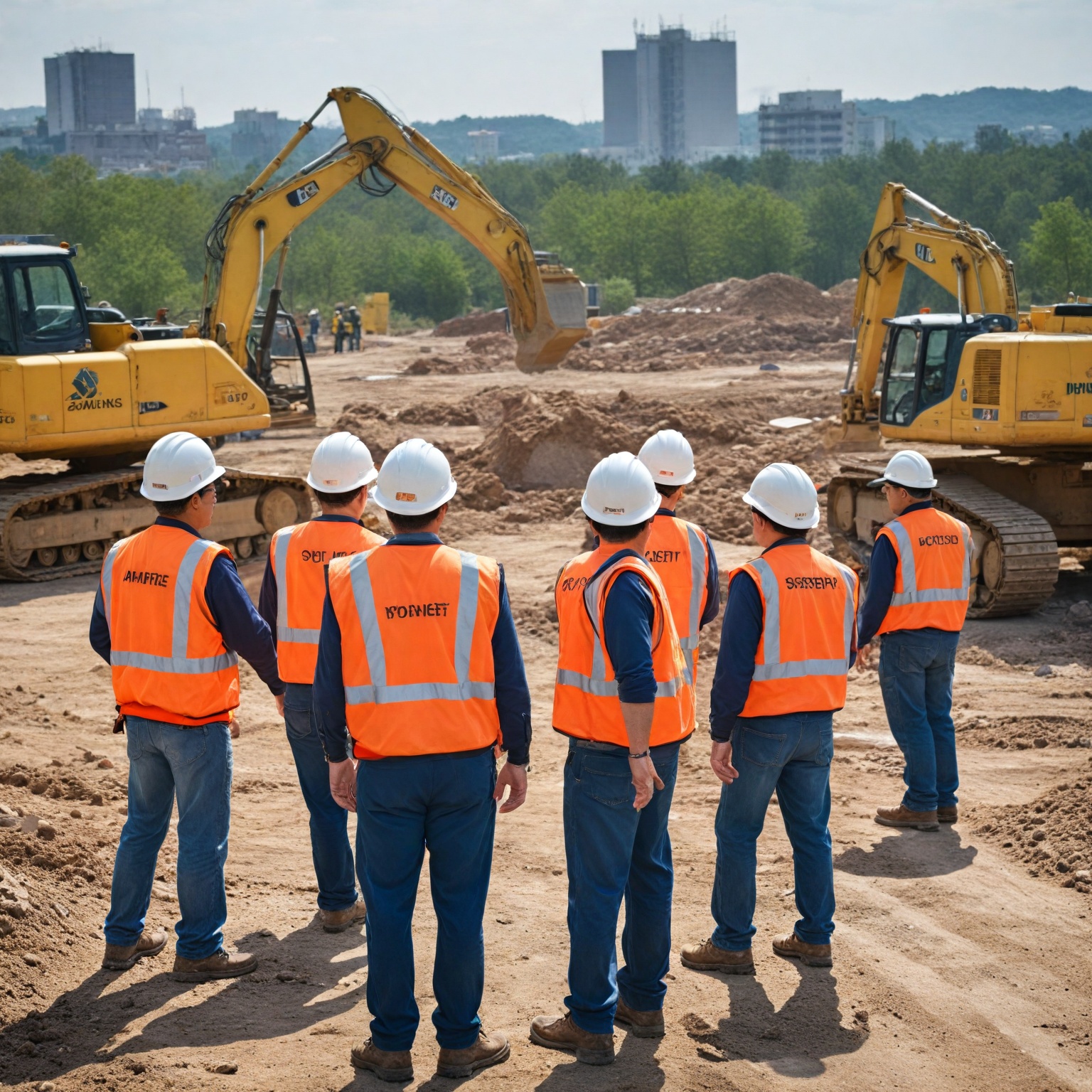
During the raid, Homeland Security Investigations agents, identifiable by marked vests and equipped with walkie-talkies, executed search warrants at the Hyundai plant, detaining numerous workers, including South Korean employees. The operation exposed local labor tensions, with some American workers voicing frustration over perceived limited access to employment opportunities at the complex, which was promoted as the largest economic development initiative in Georgia’s history.
Despite the controversy and disruption caused by the raid, Hyundai reaffirmed its commitment to the U.S. investment plans and emphasized its intention to ensure full compliance with immigration laws among its partners and contractors going forward. The company underscored that its investment was focused on creating high-quality American jobs and that these objectives remained unchanged following the enforcement action.
The Immigration Raid
In September 2023, U.S. immigration authorities conducted the largest-ever enforcement operation at a single site, targeting a sprawling electric vehicle battery plant in Bryan County, Georgia, co-owned by South Korean manufacturers Hyundai Motor Company and LG Energy Solution. The raid resulted in the detention of nearly 500 workers, most of whom were South Korean nationals employed at the construction site. Immigration officials claimed that approximately 475 individuals were either in the country illegally or working unlawfully.
The operation was carried out by a coalition of federal and state agencies, including Homeland Security Investigations (HSI), Immigration and Customs Enforcement (ICE), the Federal Bureau of Investigation (FBI), the Drug Enforcement Administration (DEA), the Bureau of Alcohol, Tobacco, Firearms and Explosives (ATF), and the Georgia State Patrol (GSP). Steven Schrank, lead agent for HSI in Georgia, described the raid as the culmination of a months-long investigation into allegations of illegal hiring practices at the site and emphasized that the goal was to ensure “a level playing field for businesses that comply with the law.”
The raid stirred immediate controversy and diplomatic tensions with South Korea, a key U.S. trade partner. South Korean President Lee Jae Myung warned that the enforcement action could deter foreign investment in the United States. Hyundai’s CEO also noted that the disruption would delay construction of the plant by two to three months, due in part to the specialized expertise of the detained workers.
Both Hyundai and LG Energy Solution released statements emphasizing their cooperation with authorities and the safety and well-being of their workforce. Hyundai asserted that none of the detained workers were directly employed by the company and reaffirmed their commitment to high safety standards and compliance with U.S. laws. LG Energy Solution highlighted its $25 billion investment in North American manufacturing and the creation of approximately 14,000 jobs by 2027, underlining the economic importance of the facility.
However, the raid also revealed complexities within the immigration enforcement process. Attorneys representing detainees reported that some individuals with valid work authorization were swept up alongside those allegedly violating immigration laws, leading to challenges in representation and removal proceedings. Officials acknowledged that some U.S. citizens and lawful permanent residents were initially detained but subsequently released. In at least one documented case, a worker legally employed was forced to leave the country despite valid status.
The raid highlighted tensions within the Trump administration’s policy approach, balancing aggressive immigration enforcement with efforts to attract foreign investment and expand domestic manufacturing. Critics argued that such enforcement actions risk alienating international allies and undermining economic goals tied to large-scale industrial projects like the Hyundai-LG battery plant. The operation also fits into a broader federal focus on industries reliant on immigrant labor and is aligned with enforcement priorities outlined under Project 2025, which targets alleged preferential hiring of immigrants over American citizens.
Following the raid, construction at the site was paused to assist authorities and allow both Hyundai and LG Energy Solution to investigate subcontractor practices and ensure worker safety. The detained workers were released approximately one week later, though the long-term impact on the project and U.S.-South Korea relations remained a subject of concern.
Corporate Response
Following the immigration raid at the Hyundai-LG Energy Solution battery plant in Bryan County, Georgia, both Hyundai and LG Energy Solution emphasized the importance of worker safety and announced internal inquiries into the incident, particularly focusing on the practices of their subcontractors. LG Energy Solution highlighted its commitment to the “safety and well-being of our team” and noted its $25 billion investment in North American manufacturing, which is expected to create approximately 14,000 jobs in the United States by 2027. Hyundai reiterated its commitment to maintaining the highest safety standards and stated that its employees are required to fully comply with U.S. laws.
In the wake of the raid, Hyundai issued a statement reaffirming its dedication to full compliance with all applicable laws and regulations, including employment verification and immigration laws. The company also underscored that it expects the same level of compliance from its partners, suppliers, contractors, and subcontractors. Hyundai pointed out that, based on their current understanding, none of those detained were directly employed by Hyundai Motor Company. To support ongoing investigations, Hyundai and LG Energy Solution announced a temporary pause in construction at the site and expressed their intent to cooperate fully with authorities.
Hyundai further communicated a “zero tolerance” policy toward violations of the law and declared plans to conduct its own investigation to ensure that all suppliers and subcontractors adhere to immigration requirements. This response came amid broader concerns regarding how multinational companies will staff U.S. operations under increasingly stringent visa rules and heightened immigration enforcement measures. The company emphasized the importance of robust oversight throughout its supply chain and contractor network to prevent similar incidents in the future.
The raid has prompted businesses to reassess their workforce strategies, with an increased focus on training American workers in response to the Trump administration’s enforcement actions and policy priorities. White House representatives echoed this sentiment, affirming a commitment to growing the American labor force and enforcing immigration laws as part of the administration’s broader agenda to create jobs for U.S. workers.
Government Response
Following the immigration raid at the Hyundai electric vehicle battery plant in Georgia, the Trump administration issued a series of responses emphasizing the enforcement of immigration laws while attempting to mitigate concerns over foreign investment and diplomatic tensions. The Department of Homeland Security (DHS) reiterated its commitment to enforcing immigration statutes, with the Secretary of Homeland Security authorized to structure agreements under section 287(g) of the INA to enable state and local law enforcement agencies to assist in federal immigration enforcement where permitted by law and with appropriate safeguards. The administration underscored policies aimed at encouraging voluntary compliance by undocumented immigrants, including voluntary departures, while ensuring detention of those apprehended pending removal proceedings.
Attorney General directives highlighted that state and local governments must comply with lawful immigration-related requests and warned of potential criminal investigations into officials who resist federal immigration actions. The Department of Justice instructed U.S. Attorney’s offices to provide advance notice of declinations in immigration cases, emphasizing a firm stance on cooperation across jurisdictions.
President Trump publicly defended the raid and framed it within a broader policy context that welcomed foreign investment conditional on adherence to U.S. immigration laws. In social media statements, Trump called on foreign companies investing in the United States to respect immigration regulations and assured that the administration would facilitate legal hiring processes, emphasizing the importance of creating jobs for American workers. White House officials, including spokeswoman Abigail Jackson and press secretary Karoline Leavitt, affirmed the administration’s dual commitment to labor force development and law enforcement, rejecting assertions that the raids would deter foreign investment. Tom Homan, the administration’s border czar, indicated plans for expanded worksite enforcement operations to ensure legal employment practices across industries.
The administration’s approach drew mixed reactions internationally and domestically. South Korean government officials expressed outrage over the detention of hundreds of South Korean nationals during the raid and raised concerns about potential human rights violations, signaling possible repercussions for future bilateral investment and cooperation. Despite this, U.S. officials and the White House maintained that the enforcement actions were consistent with existing immigration laws and necessary to uphold labor standards. Industry experts noted that the raid prompted foreign companies to reconsider workforce strategies, with increased emphasis on integrating American workers to avoid compliance risks.
Industry and Supply Chain Reactions
The immigration raid at Hyundai’s electric vehicle plant in the United States has elicited significant reactions across the automotive industry and broader supply chains. Following the raid, Hyundai and its battery supplier LG Energy Solution announced a temporary pause in construction to cooperate fully with authorities and ensure a thorough inquiry, including an investigation into the practices of their subcontractors. Hyundai emphasized its commitment to compliance with all laws and regulations, including employment verification and immigration laws, and expressed expectations that partners, suppliers, and subcontractors uphold the same standards.
The raid and ensuing enforcement actions have disrupted operations, leading to delays in project timelines. Hyundai’s chief reported a minimum two- to three-month delay in the completion of the battery plant, with South Korean firms halting work on at least 22 projects across the United States. Industry experts suggest that these events highlight the need for auto companies and other manufacturers to reconsider workforce strategies, increasingly embedding more U.S. workers in their labor forces to mitigate risks associated with immigration enforcement.
More broadly, the Trump administration’s aggressive immigration enforcement, including worksite raids, has had far-reaching effects on industries reliant on immigrant labor, such as construction and manufacturing. A survey by the Associated General Contractors of America found that 5% of contractors reported visits from immigration agents, while 10% experienced worker absences linked to actual or rumored immigration actions. These enforcement efforts have generated uncertainty among employers, particularly regarding compliance protocols like E-Verify and I-9 processes, which some government officials now describe as insufficient or “reckless” for ensuring legal work status.
The administration’s approach—pressuring trading partners to produce goods domestically or face steep tariffs—has led to significant investment commitments from South Korea, Japan, and the European Union in American manufacturing facilities. However, the Hyundai raid underscores the challenges faced by foreign companies operating in the U.S., who often rely on overseas technical experts and managers to establish operations, while now needing to adapt to heightened immigration scrutiny. The incident has prompted a broader industry-wide reevaluation of immigration compliance and workforce management practices across the supply chain, from contractors to subcontractors.
Public and Political Reactions
The immigration raid at the Hyundai electric vehicle battery plant in Georgia sparked significant public and political backlash both domestically and internationally. The incident highlighted tensions within the Trump administration’s policies, as efforts to enforce strict immigration laws conflicted with economic goals of attracting foreign investment and creating American jobs.
In South Korea, the raid drew sharp criticism from major newspapers, reflecting broader concerns amid already fraught U.S.-South Korean relations. The detention of over 300 Korean workers at the site not only created uncertainty about the future of the Hyundai-LG project and similar developments in Georgia but also raised questions about the rationale behind the aggressive enforcement action. Some analysts pointed to workplace safety issues—three worker deaths over two years—as a possible factor prompting the unusual raid, despite the diplomatic risks involved.
The Trump administration defended its actions as part of a broader strategy to prioritize American workers. White House spokeswoman Abigail Jackson emphasized the availability of American labor and framed the enforcement efforts as fulfilling the administration’s commitment to job creation for U.S. citizens while upholding immigration laws. Nevertheless, the raid generated widespread social media outcry and concerns from the construction industry, with a survey reporting job disruptions due to immigration enforcement activities nationwide.
President Trump himself attempted to mitigate the fallout, expressing a desire not to “frighten off or disincentivize investment into America” in response to the backlash. This statement underscored the delicate balance the administration faced between maintaining strict immigration controls and fostering economic partnerships, particularly with key allies like South Korea. The incident exemplified the collision of two core Trump administration objectives: revitalizing domestic manufacturing with American-born workers while securing significant foreign investments.
Legal and Social Implications
The immigration raid at the Hyundai plant in Georgia, described as the largest-ever Homeland Security enforcement operation at a single location, has highlighted complex legal and social ramifications stemming from the Trump administration’s intensified immigration enforcement policies. Legally, the administration has directed U.S. Attorney’s offices to closely coordinate with Department of Justice leadership prior to declining immigration cases, underscoring a zero-tolerance approach to enforcement and penalizing state or local officials who resist federal immigration commands with potential criminal prosecution. The Secretary of Homeland Security is also mandated to ensure detention of apprehended aliens pending removal proceedings, further strengthening the enforcement framework.
This aggressive stance has led to heightened scrutiny of employers, particularly in industries known to rely heavily on immigrant labor, such as manufacturing and construction. Companies in states including Texas, Colorado, Illinois, Florida, New Jersey, and New York have faced prior enforcement actions related to alleged preferential hiring of immigrants over U.S. citizens, a focus area under Project 2025. Despite reliance on E-Verify and I-9 employment verification processes, many employers have been deemed “reckless” by the administration, creating uncertainty for businesses seeking compliance and exposing them to potential DHS and ICE worksite raids.
Socially, the raid caused immediate disruption to workers and their families. The detention of 475 individuals, including
Aftermath and Long-term Impact
The raid on the Hyundai-LG battery plant in Georgia marked one of the largest workplace enforcement actions under the Trump administration, triggering widespread concern among multinational corporations and foreign investors about the future of their U.S. operations. In the immediate aftermath, Hyundai and LG Energy Solution paused construction and cooperated fully with authorities, though Hyundai clarified that none of those detained were directly employed by the company itself. The detained workers were released a week later, but the incident resulted in at least a two to three month delay in plant construction, according to Hyundai’s CEO, due to the specialized expertise that only the Korean workers possessed.
The raid has had a chilling effect on foreign investment, particularly from South Korea, as expressed by South Korean President Lee Jae Myung, who warned that such enforcement actions could deter future investments in the U.S.. Several other Korean firms halted work on at least 22 projects across the United States, reflecting the broader uncertainty created by heightened immigration enforcement. The incident also forced many companies to review and tighten their immigration compliance policies, extending scrutiny to contractors and subcontractors across supply chains.
From a labor market perspective, businesses have been reassessing their workforce strategies, with many considering training more American workers to reduce reliance on immigrant labor amid increasing raids and visa restrictions. However, employers face significant challenges due to labor shortages, skill mismatches, and limited visa availability, making a swift transition to a predominantly U.S. citizen workforce difficult. The enforcement measures have also contributed to rising prices and increased anxiety among employees, further destabilizing workforce stability.
Politically and economically, the raid highlighted a fundamental tension in the Trump administration’s policies: while efforts to crack down on illegal immigration and enforce stricter visa regulations continue, there is simultaneous pressure to attract foreign investment and promote manufacturing growth in the U.S.. Critics argue that stringent immigration enforcement risks alienating key allies and investors, potentially undermining the administration’s broader economic goals to bring overseas operations back to America and create jobs. This balancing act remains a significant challenge as the administration signals that further raids and enforcement actions are forthcoming.
The content is provided by Blake Sterling, Know Heaven