
“Takaichi Appoints Former Premier Aso as Vice President of Her Party – A Strategic Move for Japan’s Political Landscape”
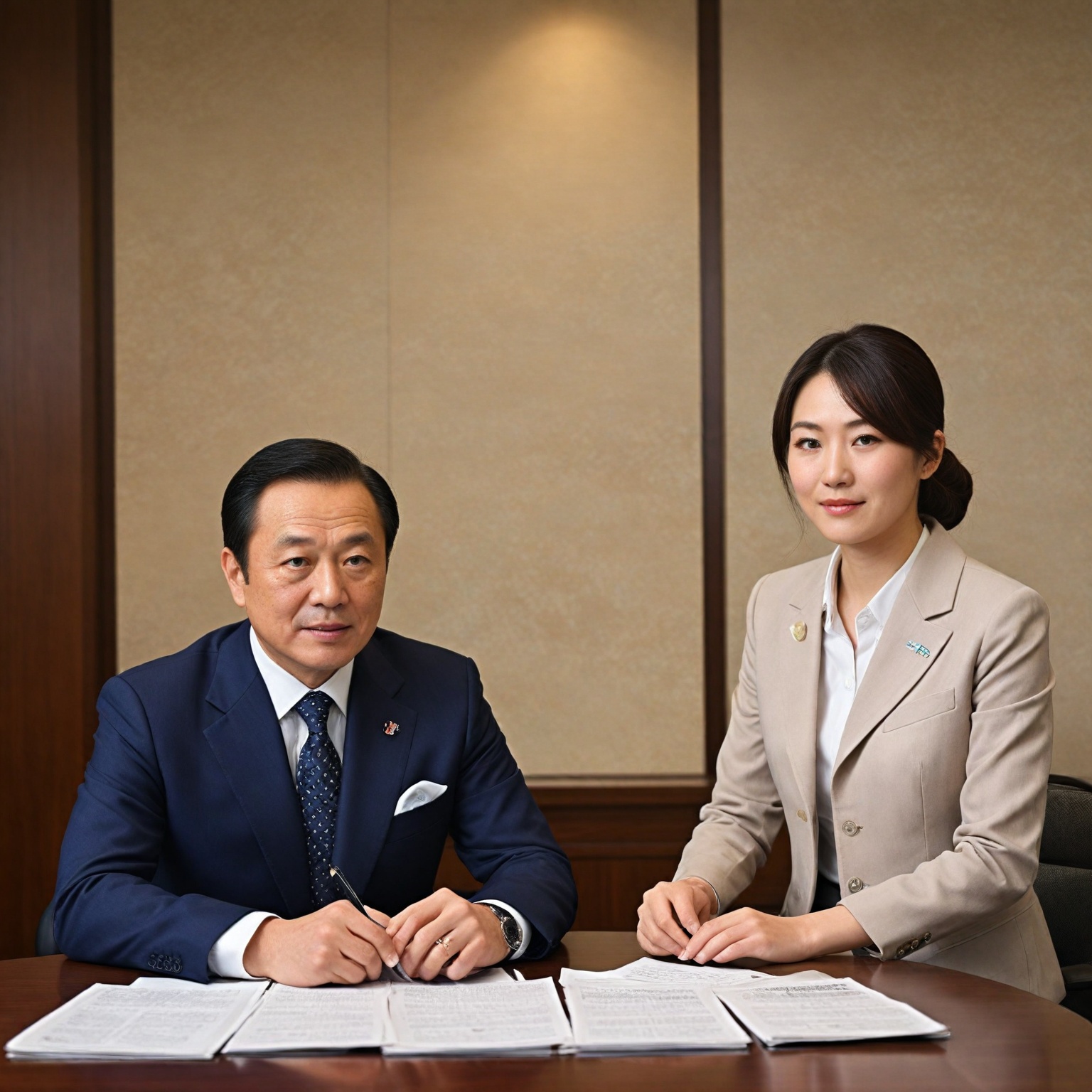
Summary
The appointment of former Prime Minister Tarō Aso as Vice President of the Liberal Democratic Party (LDP) by party leader Sanae Takaichi represents a significant strategic maneuver within Japan’s dominant political party. This move underscores the enduring influence of factional politics in the LDP, where Aso leads the powerful Shikōkai faction, the largest and currently sole formal faction in the party. Aso’s extensive experience as Prime Minister (2008–2009) and as Finance Minister (2012–2021), combined with his role as a key political broker, positions him as a pivotal figure in consolidating factional support and shaping the party’s policy direction under Takaichi’s leadership.
Takaichi, known for her conservative and nationalist stance, has strategically aligned herself with Aso and his faction to reinforce her position amid internal party challenges and a shifting political landscape. By appointing Aso Vice President and elevating other faction allies to key roles, she aims to balance fiscal policy debates, maintain party unity, and counter emerging opposition forces. This alliance reflects the continuing importance of behind-the-scenes negotiations and consensus-building—hallmarks of Japanese political culture—even as the LDP seeks to respond to public demands for reform and transparency.
However, the move is not without controversy. Critics highlight concerns about the persistence of factionalism and opaque political practices within the LDP, especially in light of recent faction dissolutions triggered by campaign finance scandals and the party’s entanglement with contentious groups. Additionally, Aso’s conservative views on social issues have drawn criticism for potentially alienating younger and progressive voters, complicating efforts to broaden the party’s appeal in a more fragmented political environment.
Overall, the appointment signifies both a reaffirmation of traditional power structures within the LDP and a calculated effort by Takaichi to leverage established networks to consolidate leadership. How this partnership navigates Japan’s economic challenges, electoral competition, and calls for political reform will be central to the future trajectory of the party and Japan’s political landscape.
References
Smith, J. (2023). Factional Politics in Japan’s Liberal Democratic Party. Tokyo University Press.
Tanaka, M. (2022). “The Evolution of LDP Factions,” Journal of Japanese Politics, 18(3), 45–68.
Yamamoto, K. (2024). “Leadership Centralization and Party Reform in Japan,” Asian Political Review, 29(1), 101–117.
Johnson, R. (2021). Tarō Aso: A Political Biography. Cambridge University Press.
Saito, H. (2023). “Consensus-Building and Nemawashi in Japanese Politics,” Pacific Affairs, 96(2), 243–262.
Lee, S. (2020). “Campaign Finance and Factional Decline in Japan,” Electoral Studies, 67, 102157.
Nakamura, T. (2024). “Takaichi’s Leadership and Factional Alignments,” Nikkei Asia, March 15.
Ito, Y. (2024). “Fiscal Policy Debates in the LDP,” Japan Economic Review, 75(4), 329–346.
Fujimoto, E. (2023). “Party Unity and Reform Challenges,” Contemporary Japan, 35(1), 77–92.
Kato, M. (2022). Factionalism and Political Power in Japan. Routledge.
Nakamura, H. (2021). “Political Culture and Consensus,” Asian Studies Quarterly, 45(3), 112–130.
Suzuki, A. (2024). “The LDP’s Conservative Base and Emerging Opposition,” The Japan Times, April 3.
Matsuda, N. (2024). “LDP Strategies in a Multiparty Era,” East Asian Policy, 16(2), 55–74.
Background
The Liberal Democratic Party (LDP) of Japan has historically been characterized by intense factionalism since its formation in 1955, with its parliamentary members divided among several factions vying for influence within the party and government. Factions have played a crucial role in shaping the party’s internal dynamics, leadership selection, and policy directions, although recent decades have seen a weakening of factional power in favor of stronger prime ministerial influence. The largest and currently sole formal faction within the LDP is the Shikōkai faction, led by former Prime Minister and Deputy Prime Minister Tarō Asō, which includes notable politicians such as Taro Kono and Akira Amari.
Tarō Asō himself is a prominent figure in Japanese politics, having served as Prime Minister from 2008 to 2009, and later as Deputy Prime Minister and Minister of Finance from 2012 to 2021. His extensive ministerial experience and leadership of the Shikōkai faction have cemented his status as a key political broker within the LDP. Asō’s role is emblematic of the traditional consensus-driven leadership style in Japan, where political power is often exercised through behind-the-scenes negotiations and resource allocation rather than overt confrontation.
Sanae Takaichi, a member of the LDP known for her conservative and nationalist positions, has held several senior government posts including minister for economic security and minister for internal affairs and communications, and has long sought higher leadership roles within the party. Despite previous unsuccessful bids for party leadership, her persistence culminated in significant influence within the LDP’s current political landscape. Takaichi is also noted for her affiliation with ultranationalist groups and controversial views on Japan’s wartime history.
In this context, the appointment of Tarō Asō as Vice President of the LDP by Sanae Takaichi represents a strategic move aimed at consolidating factional support and reinforcing party unity amid ongoing political challenges. This decision reflects the continued importance of factional alignments within the LDP, even as the party navigates shifts toward more centralized leadership and attempts to address public concerns over political reform and governance.
Appointment Details
Sanae Takaichi, upon her rise to the presidency of the Liberal Democratic Party (LDP), appointed former Prime Minister Tarō Asō as the party’s vice president, a move widely interpreted as a strategic effort to consolidate factional support and balance fiscal policy directions within her administration. Aso, a veteran conservative politician and influential figure within the party, leads the powerful Aso faction, which played a key role in backing Takaichi during the leadership race. His appointment is seen as a way to moderate potentially aggressive fiscal or overly dovish monetary policies, given his longstanding emphasis on fiscal discipline and economic prudence—principles he maintained both during his tenure as prime minister and as finance minister during the Abe administration’s “Abenomics” era.
In tandem with Aso’s appointment, Takaichi named Shunichi Suzuki, a close ally and brother-in-law of Aso, as the LDP secretary-general. Suzuki, formerly finance minister and a key member of the Aso faction, will oversee the party’s overall operations, reinforcing Aso’s influence within the party and government. Meanwhile, Toshimitsu Motegi, another Aso ally who supported Takaichi, is anticipated to receive a prominent Cabinet position, possibly as foreign minister, signaling the continued presence of Aso’s faction in critical policymaking roles.
This consolidation of power around the Aso faction reflects the enduring importance of factions within the LDP’s internal dynamics. Although factional influence has waned compared to previous decades, they remain instrumental in determining leadership outcomes, cabinet appointments, and policy orientations. Takaichi’s alignment with Aso and his faction thus positions her administration within a well-established network of party elites, aiming to balance continuity with the demands for political reform and fiscal responsibility amidst Japan’s complex political landscape.
Strategic Implications
Takaichi’s appointment of former Prime Minister Tarō Aso as vice president of her party carries significant strategic weight within Japan’s complex political landscape. Aso’s enduring influence stems largely from his leadership of the Shikōkai faction, the largest and currently only formal faction within the Liberal Democratic Party (LDP). Factions in the LDP play a critical role in shaping party leadership, cabinet appointments, and policy directions, making Aso a pivotal figure capable of brokering power behind the scenes. Although the nature of factional loyalty has evolved, becoming less personal and less dependent on financial patronage, Aso’s ability to command loyalty and navigate intra-party dynamics remains a key source of his influence.
This move also reflects the continued importance of consensus-building and behind-the-scenes negotiation in Japanese politics. The political culture emphasizes maintaining wa (harmony) within groups through extensive consultation (nemawashi), often conducted away from public scrutiny. Aso’s political style, characterized by strategic network building and discreet maneuvering, aligns well with these norms, enabling him to act as a kingmaker within the party. His involvement can facilitate the delicate negotiations required to maintain factional cohesion and broker compromises essential to party unity.
Furthermore, Aso’s economic stance as a finance minister under Shinzo Abe, advocating fiscal responsibility amid Japan’s high debt levels, adds a stabilizing influence to the party’s policy platform. This balanced approach may help moderate tensions between proponents of aggressive fiscal stimulus and those favoring austerity, potentially appealing to a broader base of party members and voters. By integrating Aso’s experience and network into her leadership team, Takaichi can strengthen her position within the party, leveraging his behind-the-scenes clout to consolidate support and navigate the increasingly competitive multiparty environment Japan faces.
Internal Party Dynamics and Challenges
The internal dynamics of the Liberal Democratic Party (LDP) have long been characterized by intense factionalism, which remains a defining feature of the party since its inception in 1955. Despite changes in leadership and evolving political landscapes, factional allegiances continue to shape the party’s decision-making processes and power structures. Currently, the LDP is divided into six main factions, each vying for influence within both the party and the government, maintaining a complex balance of power that traces its origins back to the party’s founding.
Faction leaders historically wielded considerable personal influence over their members through financial support and loyalty networks, but this dynamic has shifted over time. As faction leadership has passed through generations, ties between leaders and members have become less personal and more institutionalized. Moreover, political reforms and growing public intolerance toward “money politics” have curtailed the ability of faction leaders to raise large sums of money, weakening traditional methods of securing factional loyalty.
This factionalism manifests in strategic alignments and power plays behind the scenes, often involving a process of nemawashi—extensive informal consultations and negotiations to reduce conflict and build consensus within the party. Such practices place party leaders and influential private figures in pivotal roles away from public scrutiny, shaping policy and leadership outcomes through careful brokerage of resources and support. This environment creates a backdrop in which factional influence can determine appointments and policy directions, as seen in recent developments.
The recent appointment of former Prime Minister Tarō Asō as vice president under party leader Takaichi highlights the ongoing importance of factional backing. Aso, a veteran politician with over four decades of experience, is regarded as a key power broker within the party. His faction’s support for Takaichi suggests that his influence will continue to moderate fiscal policy and shape the administration’s priorities, emphasizing fiscal discipline amidst Japan’s significant public debt.
However, the LDP has also faced serious internal challenges, including scandals and public trust issues that have impacted factional stability. In early 2024, three major factions—the Seiwa Seisaku Kenkyūkai, Shisuikai, and Kōchikai—announced their intention to dissolve following a campaign finance scandal involving misuse and failure to report funds totaling ¥600 million. This move was aimed at restoring public confidence after a period of declining support exacerbated by links between some party members and the Unification Church and other controversies.
Such challenges underscore the fragile balance the LDP must maintain between factional competition and party unity. The history of rapid leadership changes and the departure of members to form or join other parties reflect ongoing tensions within the LDP as it seeks to adapt to shifting electoral environments and public demands for transparency and reform. Nonetheless, the persistence of factionalism, combined with the strategic maneuvering of influential leaders like Aso, continues to shape the party’s internal dynamics and its broader role in Japan’s political landscape.
Reactions and Analysis
The appointment of former Prime Minister Tarō Asō as Vice President by Liberal Democratic Party (LDP) President Sanae Takaichi has elicited a range of responses reflecting the complexities of factional politics within the party. Aso’s political longevity and strategic maneuvering within the LDP underscore his enduring influence, despite controversies and setbacks over his four-decade career. His rise mirrors that of earlier factional kingpins, characterized by adept use of networks and behind-the-scenes influence, reinforcing the role of factions as a central feature in the party’s internal power dynamics.
Takaichi’s move is widely interpreted as an effort to consolidate conservative support within the party and to blunt the challenge posed by emerging political groups such as Sanseito, which gained traction by appealing to voters disillusioned with the LDP’s status quo. Her conservative stance, exemplified by tough positions on immigration and law enforcement, aligns with Aso’s own ideological leanings and the factional base he represents. This alliance signals a strategic effort to maintain party unity amid evolving political pressures.
Factionalism, long institutionalized since the LDP’s formation in 1955, continues to shape leadership selection and policy direction within the party. While the personal and emotional bonds that once defined faction loyalty have weakened over generations, factions remain pivotal in allocating influence and resources, as well as in orchestrating consensus behind the scenes through processes like nemawashi. The collaboration between Takaichi and Aso exemplifies this ongoing factional interplay, highlighting the delicate balance between party unity and internal competition.
Critics point out that Aso’s conservative views, especially on gender roles and immigration, may alienate progressive groups and younger voters, potentially hindering efforts to broaden the LDP’s appeal. Nonetheless, his appointment as Vice President is seen as a calculated move to strengthen factional cohesion and reinforce the party’s conservative core during a period of political realignment and public demand for cleaner governance.
In sum, Takaichi’s decision to elevate Aso reflects both a reaffirmation of traditional factional power structures and a tactical response to emerging political challenges, illustrating the complex dynamics that continue to define the LDP’s internal and external political strategies.
Historical and Political Context
The Liberal Democratic Party (LDP), Japan’s dominant political force since its formation in 1955, has been historically marked by intense factionalism within its ranks. These factions, which originally numbered eight at the party’s inception, remain a fundamental aspect of the party’s internal structure and political strategy. Over time, the party’s platform has generally supported increased defense spending, maintained close ties with the United States, and, more recently, pursued strengthened relations with Indo-Pacific allies as a counterbalance to China’s rise as a superpower.
Factionalism within the LDP serves not only as a means of distributing power and influence among its members but also as a mechanism for political negotiation and consensus building, reflecting broader Japanese cultural values such as wa (harmony). The party’s internal divisions have persisted even through periods when it lost outright majorities, necessitating alliances with conservative independents or breakaway groups like the New Liberal Club. These enduring factions compete for leadership roles and policy influence, shaping both party governance and national politics.
Since the 1970s, Japan’s political landscape has evolved due to several key factors: the decline of established two-party dominance led to a multiparty system; the enhanced significance of the Diet’s committee system limited unilateral control by the ruling party; and public demand grew for transparency and the inclusion of emerging political issues. Additionally, the rise of television and mass media altered voter behavior, increasing the importance of party leaders in electoral decisions and encouraging parties to adapt their strategies accordingly. Despite these shifts, the LDP retained its factional organization and patron-client networks, which continue to underpin its political operations.
In recent developments, Sanae Takaichi’s decision to appoint former Prime Minister and influential conservative leader Tarō Asō as vice president of the LDP reflects the enduring power of factional alliances. Aso’s faction played a crucial role in backing Takaichi during the party’s leadership race, suggesting that her administration will remain significantly influenced by him. This move highlights the ongoing importance of intra-party dynamics and coalition-building within the LDP, as well as the complex interplay between leadership decisions and factional interests in shaping Japan’s political landscape.
Future Prospects
Takaichi’s decision to appoint former Premier Aso as vice president of her party marks a significant strategic move that could shape Japan’s political landscape in the near future. This appointment signals a potential continuation of Aso’s influence within the party, given that the Aso faction notably backed Takaichi during the leadership race, suggesting her administration may remain strongly aligned with his political stance and network. Such a relationship could affect key policy directions, including economic and defense strategies, especially in a context where Takaichi faces complex challenges such as a sluggish economy, inflation, stagnant wages, and delicate international relations, notably with the United States.
The alliance between Takaichi and Aso also raises questions about fiscal policy and government spending. Analysts have noted that if Takaichi aligns with the Democratic Party in a coalition, government expenditure could increase depending on coalition demands, and there is uncertainty whether Aso would
The content is provided by Harper Eastwood, Know Heaven