Supreme Court Takes on Trump’s Controversial Birthright Citizenship Ruling – What You Need to Know!
Summary
The issue of birthright citizenship in the United States has come under intense legal and political scrutiny following former President Donald Trump’s executive order seeking to end automatic citizenship for children born on U.S. soil to undocumented immigrants and certain temporary foreign residents. Birthright citizenship is enshrined in the Citizenship Clause of the Fourteenth Amendment to the U.S. Constitution, ratified in 1868, which guarantees that “all persons born or naturalized in the United States, and subject to the jurisdiction thereof, are citizens of the United States.” This longstanding principle, affirmed by the Supreme Court in the landmark 1898 case United States v. Wong Kim Ark, has broadly recognized that nearly all individuals born in the country acquire citizenship regardless of their parents’ immigration status.
President Trump’s 2025 executive order challenged this settled interpretation by arguing for a narrower reading of the phrase “subject to the jurisdiction thereof,” contending that children of undocumented immigrants and some temporary visa holders should be excluded from automatic citizenship. The order was promptly blocked by federal courts, which ruled it unconstitutional and inconsistent with both Supreme Court precedent and the original intent of the Fourteenth Amendment. Despite these setbacks, the Trump administration appealed to the Supreme Court, thrusting the issue into the national spotlight as the Court agreed to hear arguments that could redefine the scope of birthright citizenship and presidential authority over immigration policy.
The controversy has sparked a deeply polarized political and public debate. Supporters of the executive order argue that curtailing birthright citizenship is necessary to deter illegal immigration and align constitutional interpretation with the amendment’s original purpose, which they claim was primarily to grant citizenship to formerly enslaved individuals and their descendants. Opponents contend that the policy would create a class of U.S.-born residents without citizenship, undermining legal protections and social equity, while exceeding executive powers by effectively rewriting citizenship law without congressional approval. Public opinion remains divided along partisan lines, with many Americans supporting the current policy and others favoring changes amid ongoing political realignments.
As the Supreme Court prepares to issue a ruling, the case represents a pivotal moment in American constitutional law, with far-reaching implications for citizenship rights, immigration policy, and the balance of governmental powers. The Court’s decision will not only clarify the legal boundaries of birthright citizenship but also shape the future of millions of U.S.-born individuals and the nation’s foundational commitment to equal citizenship under the law.
Background
Birthright citizenship in the United States is explicitly guaranteed by the Citizenship Clause of the Fourteenth Amendment to the U.S. Constitution, ratified in 1868. The Clause states, “All persons born or naturalized in the United States, and subject to the jurisdiction thereof, are citizens of the United States and of the State wherein they reside”. This provision was intended to eliminate a class of people who were subject to American law but denied American legal rights, ensuring that anyone born on U.S. soil would be recognized as a citizen regardless of their parents’ status, except for certain limited exceptions such as children of foreign diplomats or enemy soldiers in hostile occupation.
The legal understanding of birthright citizenship draws from longstanding English common law principles. Chancellor James Kent described the rule that “natives” are those born within the jurisdiction of the United States, while “aliens” are those born outside it. The U.S. Supreme Court affirmed this as an “ancient and fundamental” rule of citizenship in its 1898 decision United States v. Wong Kim Ark. This landmark case clarified that children born in the United States to alien parents who were not diplomats or enemy occupiers are entitled to citizenship under the Fourteenth Amendment. The Court emphasized that being “subject to the jurisdiction” of the United States means being required to obey its laws, thereby conferring citizenship to nearly all persons born on U.S. soil.
Despite this broad interpretation, recent political debates have questioned the scope of birthright citizenship, particularly regarding children born to parents who are in the country unlawfully. Critics argue that “unqualified birthright citizenship” incentivizes illegal immigration, as families can exploit the policy to gain legal status and potentially facilitate chain migration. In response, legislative efforts such as the proposed “End Birthright Citizenship Fraud Act of 2023” aim to restrict automatic citizenship to children born only to parents who are U.S. nationals, lawful permanent residents, refugees, or active military personnel, thus aligning immigration law with what proponents claim to be the original meaning of the jurisdictional requirement in the Fourteenth Amendment.
The controversy has also reached the executive branch, with the Trump administration issuing an executive order challenging the traditional understanding of birthright citizenship. However, federal courts have consistently held that such attempts contravene constitutional principles, longstanding Supreme Court precedent, and congressional statutes. Legal experts note that the Citizenship Clause was originally adopted to grant citizenship to formerly enslaved individuals and their descendants, not to children of temporary visitors or unauthorized immigrants. This ongoing legal and political dispute has brought significant public attention to the Supreme Court’s role in interpreting the scope and limits of birthright citizenship in the United States.
The Controversial Ruling
President Donald Trump’s executive order aimed at ending birthright citizenship for children born in the United States to undocumented immigrants and certain temporary foreign residents has sparked intense legal and public debate. The policy directly challenges over a century of settled law and practice established since the Supreme Court’s 1898 decision in United States v. Wong Kim Ark, which affirmed that virtually all children born on American soil are automatically citizens regardless of their parents’ immigration status.
Upon its issuance on Trump’s first day back in office, the executive order was immediately blocked by lower federal courts nationwide, which ruled that it violated the Constitution, the Fourteenth Amendment’s Citizenship Clause, and binding Supreme Court precedent. Judges described birthright citizenship as a “fundamental constitutional right” and condemned the administration’s efforts as attempts to circumvent established legal principles and create “chaos” by undermining the nation’s promise of equality and full citizenship to all born on American soil.
The administration’s legal arguments rested heavily on a narrow interpretation of the phrase “subject to the jurisdiction thereof” from the Fourteenth Amendment, asserting that children born to parents without lawful status or certain categories of temporary status should be excluded from automatic citizenship. However, courts have consistently rejected this interpretation, emphasizing that the original intent of the Citizenship Clause was to guarantee citizenship to nearly all persons born in the United States, including the children of immigrants historically considered “undesirable” at the time of the amendment’s drafting. Critics have also pointed out that no court has ever endorsed the president’s reading of the clause, and many legal scholars and judges view the administration’s approach as a fringe and legally unsound theory.
While the Supreme Court had not initially agreed to rule on the underlying constitutionality of the policy, it has increasingly become the focal point of significant legal battles over presidential authority and the meaning of citizenship. The Court previously ruled on procedural aspects, including limiting the power of lower courts to issue nationwide injunctions blocking the policy. In June, the Court’s 6-3 split decision allowed certain procedural advances for the administration without addressing the core constitutional questions, drawing sharp dissents from liberal justices who criticized what they saw as governmental “gamesmanship” in the litigation.
The stakes of the ruling are substantial. If upheld, the executive order would call into question the citizenship status of hundreds of thousands of children born each year in the United States, fundamentally altering the concept of birthright citizenship and potentially creating widespread legal and social disruption. Opponents argue that the policy imposes a second-class status on these children and exceeds the president’s authority by effectively redefining citizenship without Congressional approval. Supporters claim it is a necessary clarification aligned with a proper reading of the Fourteenth Amendment and intended to deter irregular immigration.
As the Supreme Court prepares to hear arguments, the case represents a landmark test of constitutional interpretation, presidential power, and the enduring promise of birthright citizenship in America. The Court’s eventual ruling will have far-reaching implications not only for immigration policy but also for the fundamental rights guaranteed under the Constitution.
Supreme Court Involvement
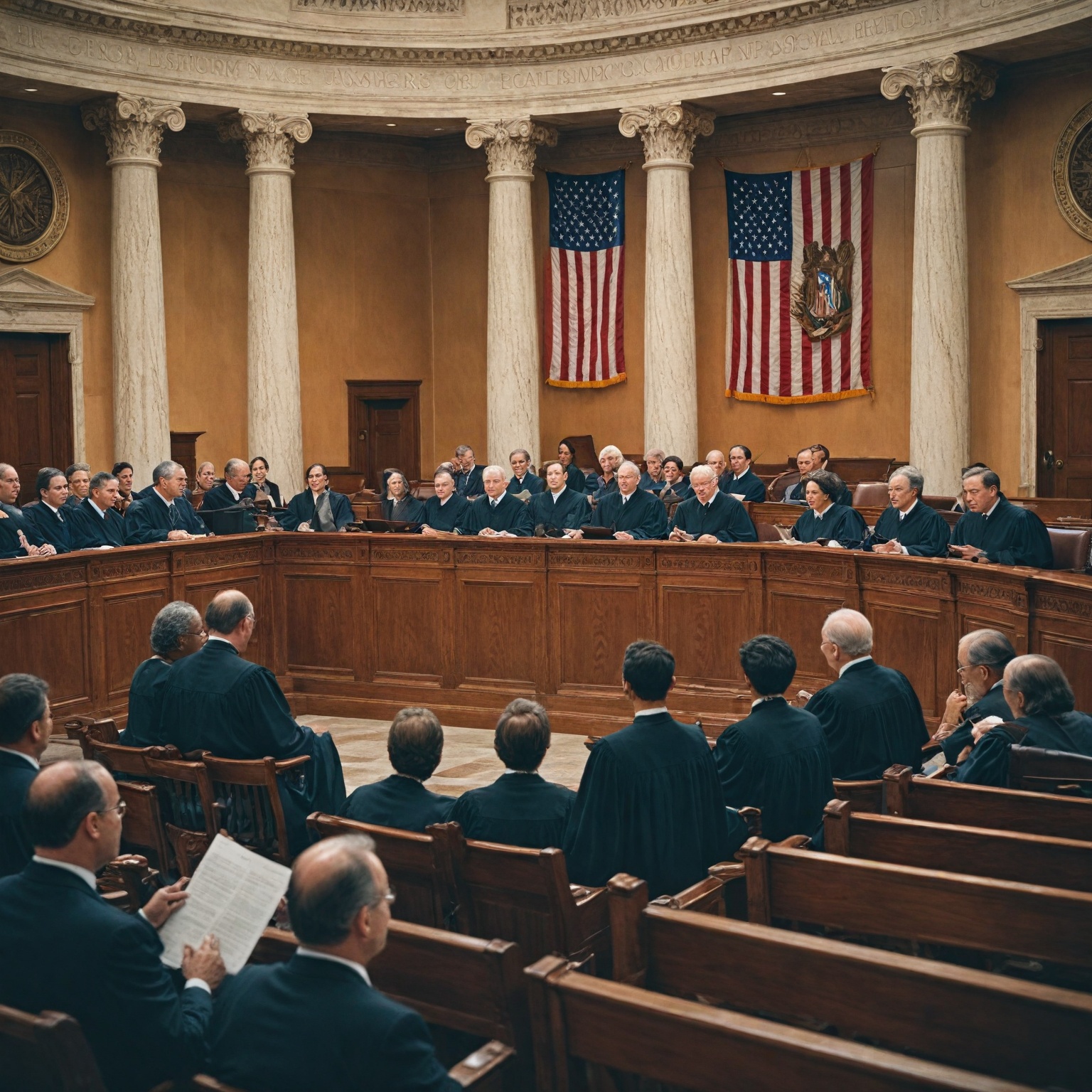
The Supreme Court has taken a central role in adjudicating the constitutionality of President Trump’s executive order seeking to end birthright citizenship for children born in the United States to non-citizen parents. This executive order, issued upon Trump’s return to office in 2025, challenged the long-standing legal interpretation that guarantees automatic citizenship to nearly all persons born on U.S. soil under the Citizenship Clause of the Fourteenth Amendment.
Lower federal courts across the country swiftly blocked the policy, ruling it unconstitutional and inconsistent with over a century of Supreme Court precedent, including the landmark 1898 decision in United States v. Wong Kim Ark, which firmly established that birthright citizenship applies regardless of parents’ immigration status. Despite these rulings, the Trump administration pursued an appeal, prompting the Supreme Court to agree to hear the case, marking a significant moment that could redefine the boundaries of constitutional citizenship rights.
The case, known as Trump v. Barbara, will require the Court to address whether the executive order’s interpretation of the phrase “subject to the jurisdiction thereof” in the Fourteenth Amendment aligns with constitutional guarantees and historical precedent. Legal experts note that the Court’s willingness to hear the case signals its readiness to confront the controversial legal arguments advanced by the administration, which have been regarded as fringe by many conservatives and legal scholars.
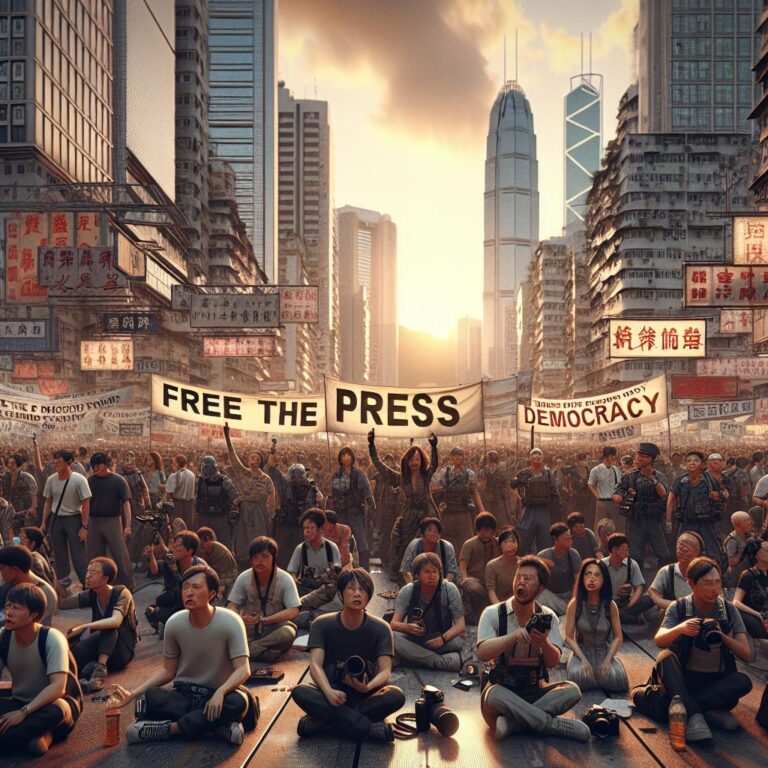
This Supreme Court involvement comes amid broader legal debates about the limits of presidential power and the use of nationwide injunctions, as the administration also requested the Court to restrict lower courts’ ability to issue such sweeping orders against federal policies. Public demonstrations and intense media attention have accompanied the litigation, underscoring the case’s profound implications for immigration policy and the fundamental rights of children born in the United States.
Ultimately, the Court’s decision will not only clarify the scope of birthright citizenship but also test the judiciary’s role in mediating conflicts between executive actions and constitutional protections, reaffirming or reshaping a core tenet of American citizenship law.
Political and Public Reactions
Public opinion on birthright citizenship in the United States remains deeply divided, reflecting partisan lines and the framing of survey questions. Recent national polls generally show that a majority of Americans prefer to maintain the current policy of granting citizenship to anyone born on U.S. soil. However, when specifically asked about ending birthright citizenship for children of undocumented immigrants, public opinion becomes more mixed. For instance, a January AP-NORC survey revealed that while a slight majority opposed changing the Constitution to end birthright citizenship, 20 percent of respondents neither favored nor opposed such a change. Similarly, a survey by SoCal Strategies found that half of respondents supported birthright citizenship for children of undocumented immigrants, while a third opposed it. These divisions are likely to deepen along partisan lines as the political and legal battles surrounding the issue continue.
Among partisan groups, support for birthright citizenship shows stark contrasts. Approximately 90 percent of Democrats support birthright citizenship for all individuals born in the U.S., whereas support among Republicans varies, with roughly half supporting it in some polls and a notable portion backing proposals to end it. For example, a Reuters/Ipsos poll found that 84 percent of Democrats opposed ending birthright citizenship, compared to 43 percent of Republicans who supported ending the policy. Other surveys, such as a May NPR/Ipsos poll, similarly indicate that just over half of Americans oppose repealing birthright citizenship, while a smaller but significant minority support such measures.
The issue has also gained renewed prominence during the 2024 presidential election cycle, particularly within the Republican Party. Some Republican candidates have raised questions about birthright citizenship as part of their platforms, a resurgence of the so-called “birtherism” movement that questions who qualifies for citizenship and civil rights based on birth status. Former President Donald Trump has been a vocal advocate for ending birthright citizenship, framing it as a policy that incentivizes illegal immigration and arguing that the 14th Amendment was originally intended to grant citizenship only to the children of freed slaves—not to children of undocumented immigrants or temporary visitors. This stance has contributed to a further polarization of the issue within American politics, energizing much of the Republican base while galvanizing opposition among Democrats.
Swing voters, especially those who recently supported Democratic gubernatorial candidates in states like New Jersey and Virginia after previously voting for Trump, express disillusionment with the extremes of both parties. Focus groups suggest that these voters are less motivated by anti-Trump sentiment and more interested in moderate candidates who transcend polarized political rhetoric. This indicates that while birthright citizenship remains a contentious topic, appeals solely based on opposition or support for Trump may not be sufficient to sway a broader electorate.
Legal experts and federal courts have consistently challenged the legality of efforts to end birthright citizenship through executive action. Despite this, the Supreme Court’s willingness to consider the Trump administration’s boundary-pushing legal arguments has kept the issue in the public eye and made it a significant point of focus in the current court term. The political discourse surrounding birthright citizenship thus remains highly charged, combining legal controversy with deeply entrenched public and partisan divisions.
Broader Legal and Social Implications
The legal challenges surrounding former President Trump’s efforts to curtail birthright citizenship extend beyond immediate judicial rulings to raise profound questions about constitutional interpretation, immigration policy, and social equity. At the heart of the controversy is the Citizenship Clause of the 14th Amendment, which has long been understood to guarantee automatic citizenship to anyone born on U.S. soil and “subject to the jurisdiction thereof.” Trump’s administration, adopting a once-fringe legal theory, contended that this clause was originally intended to confer citizenship solely on the children of freed slaves—not on the offspring of temporary visitors or undocumented immigrants—and sought to reinterpret the phrase “subject to the jurisdiction thereof” to exclude many noncitizen parents’ children from birthright citizenship.
This reinterpretation challenges the long-standing legal consensus that has prevailed since the Supreme Court’s 1898 ruling affirming jus soli citizenship. Courts have generally blocked the executive order restricting birthright citizenship, finding it inconsistent with constitutional protections and established precedent. Nonetheless, a 2023 Supreme Court ruling limiting nationwide injunctions has allowed some state-level enforcement of Trump’s policies to proceed, illustrating the fragmented and contentious nature of the litigation.
Socially, the repeal or significant curtailment of birthright citizenship could create a multigenerational underclass of U.S.-born residents lacking legal status or citizenship, with severe implications for social cohesion and equity. Experts warn that such a change would exacerbate unauthorized immigrant populations, potentially increasing it by millions over the next several decades, and entrench social disadvantages inherited across generations. This prospective outcome would undermine the integration and rights of children born in the United States, casting them into a “second-class” status and complicating their access to education, healthcare, and legal protections.
Politically, the debate around birthright citizenship has intensified partisan divisions and may influence broader constitutional questions related to representation. The 14th Amendment’s apportionment clause, which counts the “whole number of persons” in each state for congressional seats, raises the possibility of future disputes over whether non-citizen populations should affect political representation. Public opinion remains divided, with some surveys indicating a substantial minority favoring the extension of citizenship rights to children of undocumented immigrants, even amid ongoing political polarization.
Related Legal Cases and International Context
The principle of birthright citizenship in the United States has been largely shaped by a series of landmark legal decisions and statutory interpretations. Central among these is the 1898 Supreme Court case United States v. Wong Kim Ark, which firmly established that children born on U.S. soil to non-citizen parents are granted citizenship under the 14th Amendment. This ruling has been upheld consistently, with courts accepting jus soli as a foundational doctrine for birthright citizenship. The Supreme Court has not re-examined the parameters of this principle since the concept of “illegal alien” emerged in legal discourse, and lower courts have treated the ruling as settled precedent.
Earlier cases also contributed to the legal framework surrounding citizenship. For example, the Slaughter-House Cases (1872) analyzed the 14th Amendment’s Privileges and Immunities Clause, establishing important constitutional definitions of citizenship. The Mackenzie v. Hare case further clarified citizenship issues
The content is provided by Jordan Fields, Know Heaven