Summary
Putin Warns Europe of War Amid Stagnant Ukraine Peace Talks is a development in the ongoing conflict resulting from Russia’s 2022 full-scale invasion of Ukraine, highlighting Russian President Vladimir Putin’s escalating rhetoric toward Europe amid stalled diplomatic efforts. Despite multiple rounds of peace negotiations led primarily by the United States and involving European stakeholders, key disputes over territorial control, security guarantees, and sovereignty remain unresolved, preventing a breakthrough in ending the war.
In December 2025, speaking at the VTB Investment Forum in Moscow, Putin issued a stark warning that Russia is “ready right now” to respond militarily if Europe initiates hostilities, accusing European governments of sabotaging peace efforts by introducing demands Moscow finds unacceptable. He further cautioned that continued European military support for Ukraine risks escalating the conflict to a nuclear level and could result in catastrophic consequences for European powers, underscoring the severity of the geopolitical standoff.
The warning came amid extensive Western sanctions targeting Russia’s economy and sustained financial and military aid to Ukraine, reflecting deep divisions within Europe about the conflict’s trajectory and peace prospects. Putin’s rhetoric has been widely interpreted as an attempt to drive a wedge between the United States and its European allies, complicating a unified Western approach to peace negotiations and exposing the fragility of diplomatic efforts.
International mediation efforts, including initiatives from the Global South and the United Nations, have so far failed to bridge the entrenched positions of Moscow and Kyiv, both of whom remain committed to victory and reluctant to compromise. The ongoing impasse, combined with heightened security concerns and Russia’s hardline stance, leaves the future of the conflict and regional stability uncertain.
Background
Peace talks between the United States and Russia aimed at resolving the ongoing conflict in Ukraine have repeatedly failed to produce significant breakthroughs. Despite numerous negotiations, key issues remain unresolved, with Moscow demanding that Kyiv cede control of partially occupied territories in eastern Ukraine and seeking security guarantees that Kyiv and its Western allies find unacceptable. Russian President Vladimir Putin has maintained a hardline stance throughout the discussions, dismissing ceasefire proposals and peace talks amid continued Ukrainian counter-offensives, particularly in southeastern Ukraine.
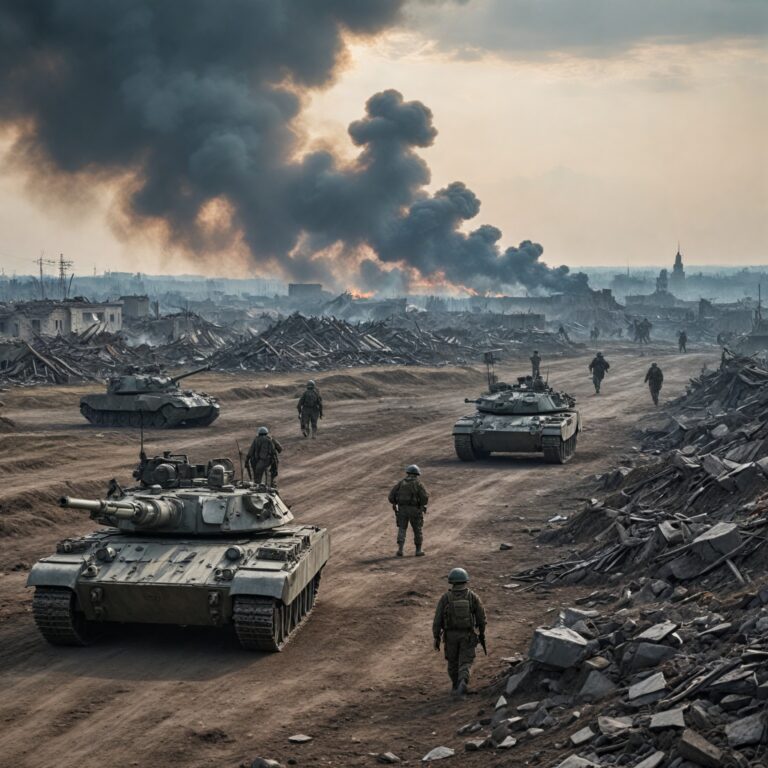
The conflict, which began with Russia’s full-scale invasion of Ukraine in 2022, has become the deadliest in Europe since World War II. Despite substantial military and financial support from the United States and European powers to Ukraine, Russia has not succeeded in its objective to conquer the country. Ukrainian forces have achieved notable victories, such as the recapture of Kherson and the forced withdrawal of Russian troops west of the Dnipro River, compelling Russia to redeploy and reinforce its troops in eastern regions like Donetsk.
Amid the protracted conflict, tensions between Russia and Europe have escalated. Prior to peace talks, Putin issued stern warnings that Russia is “ready” for war with Europe, underscoring the severity of the geopolitical standoff. The war has prompted extensive sanctions from the European Union targeting Russia’s economy, critical industries, and individuals close to the Kremlin, aiming to cripple Russia’s war capacity. The EU has also mobilized significant financial support to enhance Ukraine’s military capabilities, including funding for ammunition production and training of Ukrainian forces.
International efforts to mediate peace have included initiatives from African leaders and proposals for summits involving countries from the Global South, reflecting widespread desire for a resolution. However, both Putin and Ukrainian President Volodymyr Zelensky remain entrenched in their positions, convinced of eventual victory and reluctant to make concessions. The continued impasse in negotiations underscores the complexity of the conflict and the deep divisions between the parties involved.
The Warning
In the context of ongoing peace talks and escalating tensions surrounding the conflict in Ukraine, Russian President Vladimir Putin issued a stark warning to Europe regarding the possibility of war. Speaking at the VTB Investment Forum in Moscow in December 2025, Putin emphasized that while Russia did not seek conflict, it was prepared to respond immediately should Europe initiate hostilities. He stated, “We are ready right now” if Europe decided to “wage a war with us and starts it,” underscoring the seriousness of his threat.
Putin accused European governments of undermining the U.S.-led peace process, claiming that they introduced demands that were “absolutely unacceptable” to Russia and effectively blocked any meaningful resolution to the conflict. He argued that Europe had “no peace agenda” and was instead sabotaging diplomatic efforts, thereby prolonging the war in Ukraine. According to Putin, European leaders’ interference was preventing the United States from achieving peace, and their stance was “on the side of war”.
The Russian president further warned that any European military intervention or continued support for Ukraine could escalate the conflict to a nuclear level, signaling a grave risk of escalation beyond conventional warfare. He cautioned that a war initiated by Europe would result in such a devastating defeat for European powers that there would be “no one left to negotiate a peace deal,” highlighting the potential catastrophic consequences of such a confrontation.
These warnings came amid stalled peace talks between the U.S. and Russia, which failed to yield a breakthrough despite ongoing discussions around a revised peace plan. Putin’s remarks appeared to be aimed at driving a wedge between Washington and its European allies, criticizing Europe for rejecting aspects of the peace proposals and complicating diplomatic efforts. Meanwhile, Ukrainian President Volodymyr Zelensky expressed cautious optimism about improvements in the peace plan, though he acknowledged the complexity of territorial issues involved.
Reaction and Impact
Russian President Vladimir Putin’s repeated warnings to Europe regarding potential military escalation have generated significant concern among Western and European leaders. In October and May, Putin cautioned that Europe would face a “significant response” if it continued supplying military aid to Ukraine, with a further warning in February 2024 that Western military intervention could lead to nuclear escalation—a statement widely interpreted as a direct threat to Europe and its allies. Putin accused European powers of obstructing peace efforts by pushing demands he deemed “absolutely unacceptable” and asserted that Europe was “on the side of war,” thereby hindering U.S.-led negotiations.
The European Union responded to Russia’s aggression by massively expanding sanctions against Russian individuals and entities, targeting Russia’s economic base and military capacity to wage war. The EU and its member states have also provided extensive financial, military, humanitarian, and refugee assistance to Ukraine, totaling close to $197 billion, reflecting their determination to support Kyiv amid ongoing conflict. However, these measures have also deepened divisions within Europe, with some leaders expressing concerns about the long-term implications of continued military support. For instance, Hungarian Foreign Minister Peter Szijjarto criticized Western European leaders for prolonging the conflict and urged pursuit of peace rather than “senseless money spending” on Ukraine.
Putin’s rhetoric appeared aimed at driving a wedge between Washington and European capitals, accusing Europe of undermining U.S. peace initiatives and suggesting that European demands lacked a genuine peaceful agenda. This discord was highlighted by European leaders’ alarm over a U.S. peace plan perceived as overly favorable to Russia, which risked pressuring Ukraine into concessions. Ukrainian President Volodymyr Zelensky acknowledged the complexity of peace negotiations, particularly around territorial issues, while noting some improvement in the latest draft of the U.S. peace plan.
Internationally, attempts to mediate peace have included initiatives from the Global South, with leaders from countries such as Brazil, India, and China advocating for dialogue, alongside proposals like Brazil’s “peace club” and the Vatican’s secret “peace mission” efforts. However, United Nations Secretary-General António Guterres expressed skepticism about the immediate prospects for peace talks, citing Russia’s firm commitment to its war aims.
Domestically within Russia, despite the pressures of war and international isolation, Putin maintains robust public support, with polling indicating 66% of Russians inclined to vote for him in the 2024 presidential election and 94% expressing strong national pride. The “Putin consensus” endures, even as popular understanding of the war’s official justifications remains limited and the conflict’s human and economic costs continue to mount.
Analysis
The ongoing peace negotiations surrounding the war in Ukraine have revealed deep divisions between Russia, Ukraine, and their respective allies, with significant challenges impeding progress toward a resolution. Despite widespread international efforts, including proposals by the United States and Europe, the conflict remains entrenched amid conflicting demands and geopolitical tensions.
Central to the impasse are sharply divergent expectations over key issues such as territorial control, Ukrainian neutrality, and security guarantees. Ukraine and its European partners have expressed strong opposition to proposals perceived as favoring Russia or legitimizing territorial changes imposed by Moscow since its 2022 full-scale invasion. Ukrainian President Volodymyr Zelenskyy has actively sought to rally European support, warning against rewarding Russia’s aggression or pressuring Ukraine into concessions that might compromise its sovereignty.
In contrast, Russian President Vladimir Putin has dismissed European peace proposals as “absolutely unacceptable,” accusing European leaders of lacking a genuine peace agenda and undermining diplomatic efforts by supporting Ukraine militarily. Putin’s rhetoric has grown increasingly belligerent, explicitly warning that while Russia does not seek war with Europe, it is “ready right now” should Europe initiate hostilities. This stance appears intended to sow discord between the United States and European allies, complicating a unified Western approach to the conflict.
Efforts by the United States to broker peace, including a White House draft plan, have encountered skepticism and resistance from both Ukraine and Europe due to concerns over its perceived concessions to Russia. Following intensive diplomacy involving Trump envoys and Kremlin officials, no substantive breakthroughs have been achieved, with Kremlin representatives acknowledging the lack of agreement on critical points such as territorial lines. Meanwhile, European counterproposals have aimed to establish mechanisms for ceasefire enforcement and smooth the peace process, although Russia has yet to accept any formal texts.
International initiatives from the Global South have also emerged, emphasizing a desire for peace but highlighting the entrenched positions of both Putin and Zelenskyy, who remain confident of military victory and reluctant to compromise. The European Union continues to impose sanctions and restrict Russian energy exports to increase pressure on Moscow, signaling the high cost Russia faces for prolonging the war.
Within Russia, public opinion surveys indicate strong support for Putin and the invasion, despite worsening economic conditions and stagnating living standards, which may further complicate internal pressures for peace. The persistence of hardline stances on all sides, combined with ongoing geopolitical friction, suggests that the path to a negotiated settlement remains fraught and uncertain. The peace process, while formally ongoing, faces substantial obstacles that reflect broader regional and international divisions over the future of Ukraine and the security architecture of Europe.
Subsequent Developments
Following initial peace proposals and negotiations, the situation surrounding the Ukraine conflict remained tense and complex, with no immediate breakthrough achieved. The European counterproposal, initially comprising 28 points, was amended to 19 proposals after consultations with Ukraine, aimed at facilitating a smoother ceasefire mechanism and progressing the peace process. However, Russia had yet to accept any text and was expected to propose changes, indicating ongoing difficulties in reaching consensus.
Peace talks between the United States and Russia, including high-level meetings involving Russian President Vladimir Putin and U.S. special envoy Steve Witkoff, failed to deliver substantive progress. Putin reiterated aggressive rhetoric, asserting that Russia was “ready” for war with Europe and accusing European powers of sabotaging peace efforts. Despite intensive shuttle diplomacy and several revisions to the U.S. peace plan, fundamental disagreements persisted, especially concerning territorial control, Ukrainian neutrality, and security guarantees from Europe and the U.S..
Ukrainian President Volodymyr Zelensky expressed cautious optimism regarding the latest U.S. draft peace plan, noting improvements over earlier versions but acknowledging the complexity surrounding territorial issues. Ukrainian officials, meanwhile, continued diplomatic engagement, including meetings with European national security advisors and proposals for a peace summit mediated by the UN Secretary-General António Guterres. Russia, however, maintained stringent preconditions, including demands for recognition of sovereignty over annexed regions before resuming talks.
On the international stage, divergent approaches to the conflict and peace efforts emerged. Brazil’s President Lula proposed a “peace club” comprising developing nations such as Brazil and China to negotiate a settlement, while the Holy See reportedly engaged in a secret peace mission. UN Secretary-General Guterres, however, remarked that peace negotiations were currently unfeasible due to Russia’s focus on continuing the war.
In parallel, security concerns escalated with European officials warning that Russia was preparing for possible future aggression against NATO, potentially by 2029. German intelligence assessments underscored the threat of Russian military actions against European targets, coinciding with increased provocations such as drone incursions and bombings of critical infrastructure in allied countries. Putin insisted on negotiating solely with the U.S. administration, rejecting European involvement and direct talks with Zelensky, further complicating diplomatic channels.
Meanwhile, the European Union and its allies sustained and intensified their support for Ukraine through financial, military, and humanitarian aid exceeding $197 billion, including funding for Ukrainian Armed Forces training under the European Peace Facility. Concurrently, the EU and the U.S. maintained and expanded economic sanctions targeting Russia’s key sectors and individuals responsible for its military aggression, aiming to weaken Russia’s war capability.
European leaders expressed concern over the heavily Russia-favored U.S. peace plan and emphasized the need to hold Russia accountable for initiating and perpetuating the conflict. Calls were made to avoid pressuring Ukraine into concessions that would overlook Russia’s role as the aggressor. At the same time, some European officials underscored the importance of pursuing diplomatic solutions to prevent further destabilization in the region and beyond.
The content is provided by Sierra Knightley, Know Heaven