
Introducing the Millet Bun Burger: McDonald’s New Twist Celebrated by the Centre!
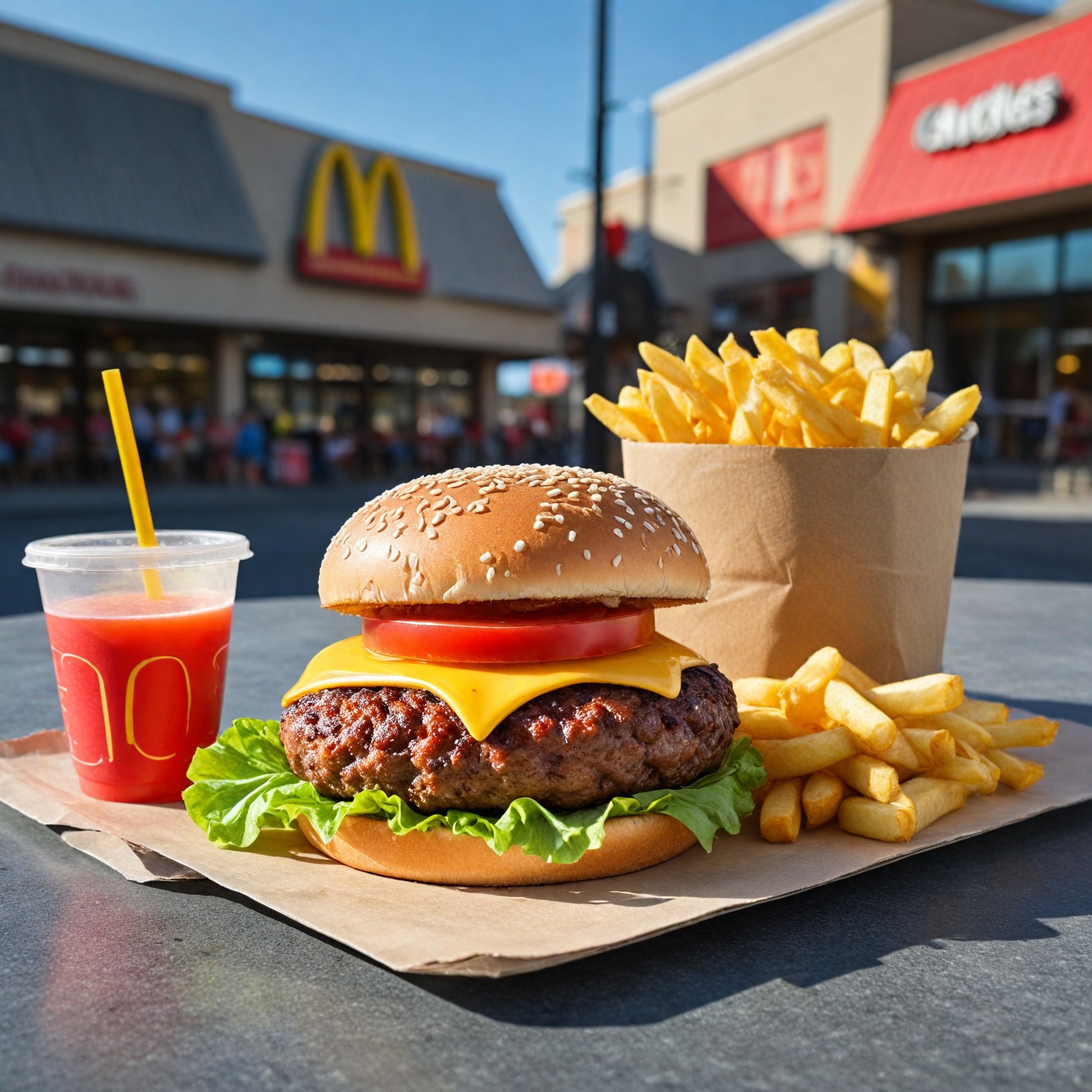
Summary
The Millet Bun Burger is a innovative menu item introduced by McDonald’s India (West & South) in partnership with the Central Food Technological Research Institute (CSIR-CFTRI), Mysuru, aimed at promoting millet consumption through mainstream fast food. The burger features a multi-millet bun made from a blend of five nutrient-rich millets—Bajra, Jowar, Ragi, Proso, and Kodo—sourced from various Indian states known for millet production. Designed to offer a healthier alternative to traditional refined-flour buns, the millet bun integrates approximately 22% millet content while maintaining the familiar taste and texture expected by customers.
This product launch aligns with the Indian government’s broader initiative to position India as the “Global Hub of Millets” by boosting millet production, processing, and consumption through coordinated efforts involving multiple ministries, state governments, farmers, startups, and businesses. McDonald’s millet bun supports these efforts by increasing urban consumer access to millets and fostering demand within popular food chains. The launch has been supported by a wide-reaching marketing campaign featuring celebrity chef Sanjeev Kapoor, emphasizing the blend of traditional superfoods and modern food technology.
Despite its positive reception and potential to advance nutritional goals and economic opportunities for millet farmers and processors, the Millet Bun Burger has attracted criticism from public health advocates. Critics argue that incorporating millets into industrially processed burger buns does not automatically render the product healthy, especially when consumed with processed patties, and caution against marketing claims that may mislead consumers regarding the overall nutritional benefits. McDonald’s has not publicly addressed these concerns.
Overall, the Millet Bun Burger exemplifies a significant intersection of government policy and private sector innovation in India’s food industry, highlighting efforts to promote sustainable nutrition, support local agriculture, and respond to evolving consumer preferences in the fast-food market.
Background
Millets, often referred to as “superfoods,” are small-seeded cereal grains known for their high nutritional value, including rich fiber, vitamins, minerals, and antioxidants. They are resilient crops that can thrive on arid lands with minimal agricultural inputs, making them important for sustainable agriculture and food security in India. Various Indian states such as Gujarat, Maharashtra, Karnataka, Rajasthan, Tamil Nadu, Madhya Pradesh, and Chhattisgarh are notable producers of millets, contributing to the diversity and availability of these grains across the country.
Recognizing the health and environmental benefits of millets, the Indian government has launched several initiatives to promote their production, processing, and consumption. These efforts involve coordination among Central Ministries, State Governments, Indian Embassies, farmers, startups, exporters, businesses, and hospitality organizations. The overarching goal is to position India as the “Global Hub of Millets” by enhancing millet production and creating a robust value chain, including processing, packaging, and marketing. Programs such as the Odisha Millets Mission, started in 2017-18, exemplify flagship efforts to increase millet consumption at the regional level.
In addition to governmental measures, capacity-building initiatives have been established to train farmers, processors, and entrepreneurs engaged in the millet value chain. Awareness campaigns and media outreach further highlight the health and nutritional benefits of millets to consumers and stakeholders alike. These combined efforts have significantly boosted off-farm employment opportunities in the food processing sector, fostering a growing millet-based economy in India.
Within this context, private sector involvement has been instrumental. McDonald’s India (West & South) has embraced this movement by collaborating with the Council of Scientific and Industrial Research–Central Food Technological Research Institute (CSIR-CFTRI) to develop a multi-millet bun. This innovation integrates the nutritional advantages of millets while maintaining desirable taste, texture, and quality. The product launch reflects McDonald’s commitment to offering mindful food choices and promoting millet consumption through culinary innovation. The multi-millet bun is currently available across McDonald’s outlets in Western South India, marking a notable step in mainstreaming millet-based products within popular food chains.
Product Details
McDonald’s India introduced a new Multi-Millet Bun as part of its ongoing “Real Food Real Good” initiative aimed at enhancing the nutritional value of its offerings while maintaining the signature taste that customers love. The bun is made using a blend of five nutrient-dense millets—three major millets (Bajra, Jowar, and Ragi) and two minor millets (Proso and Kodo)—sourced directly from farmers across five states, including Gujarat, Maharashtra, Karnataka, Rajasthan, Tamil Nadu, Madhya Pradesh, and Chhattisgarh. These millets are known for their rich nutritional profile, being gluten-free, fiber-rich, and possessing a low glycaemic index, which makes them suitable for people with diabetes.
The development of the Multi-Millet Bun involved a year-long collaboration with the Mysore-based Central Food Technological Research Institute (CFTRI), whose food scientists played a pivotal role in balancing the bun’s taste, texture, and nutritional benefits without compromising quality. The bun contains 22% millets integrated into a wheat-based formulation, as it is not a 100% millet bun. The base ingredients include enriched wheat flour along with other typical bread components such as yeast, sugar, salt, and soybean oil.
This bun is designed to be a healthier alternative to traditional refined-flour buns while retaining the familiar texture and flavor customers expect. It is available across McDonald’s outlets in the southern and western regions of India and can be chosen as a substitute in various burger options, including popular items like the McAloo Tikki and McSpicy Paneer burgers. Customers pay a premium of Rs 10 for the millet bun upgrade on any order.
Despite the touted nutritional benefits, the product has faced criticism from public health advocates. Nutrition Advocacy in Public Interest, a think tank, highlighted concerns that simply adding millets to industrially processed burger buns, which contain additives and preservatives, does not necessarily make the product healthy. The organization also criticized the marketing strategies framing the product as “Real Food Real Good” and questioned the health implications of consuming the bun alongside processed patties.
Launch and Availability
The multi-millet bun was officially launched in Mumbai on Wednesday, marking the first product under a long-term partnership between McDonald’s India and the Central Food Technological Research Institute (CSIR-CFTRI), Mysuru. The launch event was attended by Sridevi Annapurna Singh, director of CSIR-CFTRI, and Akshay Jatia, executive director of McDonald’s India (West & South) region. This collaboration aims to develop menu items that provide enhanced nutritional value while appealing to customers’ taste preferences.
This initiative aligns with broader governmental efforts involving Central Ministries, State Governments, Indian Embassies, and various societal stakeholders—including farmers, start-ups, exporters, businesses, and hospitality organizations—to position India as the ‘Global Hub of Millets’. The program focuses on increasing millet production, processing, consumption, and exports through multiple promotional activities targeting diverse audiences.
McDonald’s adoption of millet-based buns also reflects the chain’s characteristic approach to localizing its menu to suit regional tastes and dietary preferences. Similar to its adaptations in other countries—such as McRice in Indonesia and Ebi Burgers in Singapore and Japan—the introduction of millet buns is a response to both nutritional goals and regional food practices in India.
The availability of the multi-millet bun burger is expected to extend across McDonald’s outlets in India, complementing ongoing health promotion efforts that encourage millet consumption through various platforms like Urban Health Nutrition Day, Anganwadi centers, and schools. Primary healthcare facilities and physicians play a key role in advocating for the inclusion of millets in daily diets to promote healthier lifestyles.
Marketing and Promotion
McDonald’s India (West & South) launched the Multi-Millet Bun as part of a strategic collaboration with the CSIR-Central Food Technological Research Institute (CFTRI) to promote healthier and more nutritious food options. The initiative aligns with broader government efforts to position India as a global hub for millets, supported by various stakeholders including ministries, state governments, farmers, exporters, and hospitality organizations.
The launch was accompanied by a comprehensive marketing campaign featuring celebrated chef Sanjeev Kapoor, who not only endorsed the product but also starred in a digital advertisement developed by DDB Mudra. In the ad, Kapoor interacts with customers, surprising them by recommending the millet-based bun as a nutritious alternative to the regular burger bun, effectively blending culinary expertise with advocacy for millet consumption. Kapoor’s involvement amplified the message of combining traditional superfoods with modern food technology to create tasty and healthful menu innovations.
The development of the multi-millet bun itself was the result of over a year of collaboration between McDonald’s and CFTRI, leveraging scientific research to ensure the bun maintained a balance of taste, texture, and nutrition. The product is enriched with essential vitamins, minerals, and dietary fiber sourced from millets grown across several Indian states such as Gujarat, Maharashtra, Karnataka, and Tamil Nadu. McDonald’s India emphasized that the launch was driven by consumer insights reflecting a rising preference for millet-based products, highlighting the company’s responsiveness to evolving dietary trends.
To bolster the campaign’s reach, trade fairs, exhibitions, and millet conclaves have been organized by the Agricultural & Processed Food Products Export Development Authority (APEDA), as part of a national movement to boost millet production, utilization, and exports. These efforts complement McDonald’s marketing initiatives by creating greater awareness and acceptance of millets in both urban and rural populations.
Moreover, primary healthcare facilities, schools, Anganwadi centers, and various social platforms are being utilized to encourage millet consumption as part of healthier lifestyles, underscoring the public health significance of such campaigns. Primary care physicians and community health workers play a critical role in promoting millets as a nutritious food choice, further supporting the environment in which McDonald’s millet bun campaign operates.
Reception and Impact
The introduction of the Millet Bun Burger by McDonald’s India has garnered positive attention, particularly for its nutritional benefits and alignment with growing consumer health consciousness. Akshay Jatia, executive director of McDonald’s (West & South), emphasized that their highest-selling product, the McAloo Tikki, is nutritionally balanced, and the millet bun offers a more wholesome and nutritious alternative, albeit at a slightly higher price point of Rs 10 more per upgrade. This move reflects McDonald’s response to social listening insights, which indicated a rising consumer preference for millet-based products, leading to a long-term partnership with the Mysore-based Central Food Technological Research Institute (CFTRI) to develop the millet bun and future nutrition-backed items.
The millet bun launch aligns with wider national efforts to promote millet consumption and production, as part of India’s strategic positioning as a ‘Global Hub of Millets’. Government initiatives such as the provision of seed kits, establishment of Nutri-Gardens, and behavior change campaigns have boosted millet’s visibility and marketability, which in turn supports farmers, startups, and entrepreneurs engaged in millet cultivation and processing. These efforts have also contributed to off-farm employment growth in the food processing sector, reinforcing the economic impact of millet-based innovations like McDonald’s new offering.
From a broader public health perspective, millets are recognized for their nutritional richness, including high fiber, vitamins, minerals, and antioxidants, making them suitable for integration into daily diets to promote healthier lifestyles. The millet bun thus represents a significant step in mainstreaming millets within fast food, potentially increasing consumer acceptance and consumption across urban populations. Moreover, it complements national nutritional promotion platforms and healthcare initiatives aimed at encouraging millet-based diets, contributing to improved dietary diversity and food security.
Commercially, McDonald’s India is poised to expand menu propositions incorporating millet-based products, anticipating higher growth driven by increased consumer footfalls and festive season orders. This innovation not only resonates with health-conscious customers but also strengthens India’s millet economy by amplifying demand and awareness at a large scale. Overall, the millet bun has been celebrated both as a nutritionally sound choice for consumers and as a catalyst for supporting millet agriculture and processing sectors, demonstrating a successful intersection of corporate innovation and national agricultural policy.
Comparison with Other Menu Items
The Millet Bun Burger represents a notable departure from McDonald’s traditional menu offerings by incorporating locally sourced millet-based buns, introduced in partnership with the Central Food Technological Research Institute in India. This innovation aligns with McDonald’s broader strategy of regional customization, which adapts menu items to respect local dietary preferences and cultural practices. For instance, in India, beef is excluded due to religious considerations, while items like McRice in Indonesia and Ebi Burgers in Singapore and Japan cater to local tastes.
Compared to staple items like the McAloo Tikki burger, which is already recognized for being nutritionally balanced and wholesome, the Millet Bun Burger offers an alternative that emphasizes health benefits linked to millet consumption, an ingredient promoted for its nutritional advantages by health authorities. This focus on nutrition is consistent with growing consumer demand for healthier fast-food options and aligns with public health initiatives encouraging millet as part of a balanced diet.
In terms of pricing and positioning, the Millet Bun Burger may come at a slight premium similar to other specialty items that incorporate unique ingredients, reflecting both the cost of millet and its perceived health benefits. For example, customers pay a modest additional amount to upgrade to the McAloo Tikki’s specialized bun. Meanwhile, classic McDonald’s meals, including value offerings like the five-dollar meal featuring burgers, fries, McNuggets, and drinks, maintain a focus on affordability and familiarity.
The Millet Bun Burger also contrasts with recent menu revamps aimed at enhancing flavor and texture of classic items such as the Big Mac and McDouble, which have undergone improvements including new buns and the addition of grilled onions for better taste. While these changes prioritize sensory appeal and comfort food qualities, the Millet Bun Burger distinctly emphasizes nutritional innovation and regional relevance, marking McDonald’s commitment to diversify its menu in response to both local preferences and broader health trends.
Cultural and Economic Significance
The introduction of the Millet Bun Burger by McDonald’s represents a significant cultural and economic development, aligning with broader government initiatives to promote millets in India. The Indian government has invested substantially in elevating the status of millets, positioning the country as the ‘Global Hub of Millets’ through coordinated efforts involving Central Ministries, State Governments, and various societal stakeholders such as farmers, startups, exporters, businesses, and hospitality organizations. These efforts aim to boost millet production, processing, consumption, and exports, thereby creating a robust millet-based economy.
Economic activities supporting this vision include trade fairs, exhibitions, and millet conclaves organized by agencies like the Agricultural & Processed Food Products Export Development Authority (APEDA). These initiatives have not only enhanced millet promotion and utilization but have also stimulated off-farm employment opportunities in the food processing sector, benefitting farmers, startups, and entrepreneurs by expanding the global market reach of Indian millets. Although specific assessments of employment generated are lacking, the overall impact on job creation and economic empowerment is notable.
Culturally, the Millet Bun Burger taps into the growing demand for nutritious, millet-based food products that satisfy contemporary tastes while highlighting the health benefits of millets. Public health messaging emphasizes the need to develop appealing millet products and to raise awareness about their nutritional advantages, especially in urban markets where accessibility remains a challenge. By integrating millets into popular fast-food formats, this innovation supports efforts to normalize millet consumption from early stages of life and across diverse demographics, thereby fostering a cultural shift towards healthier dietary choices.
Together, these cultural and economic dimensions reflect a strategic convergence of government policy and private sector innovation, promoting millets as a symbol of sustainable nutrition and economic opportunity in India.
Controversies and Criticism
The introduction of the Millet Bun Burger by McDonald’s has sparked significant controversy and criticism from various public health advocates and nutrition experts. Nutrition Advocacy in Public Interest,
The content is provided by Sierra Knightley, Know Heaven