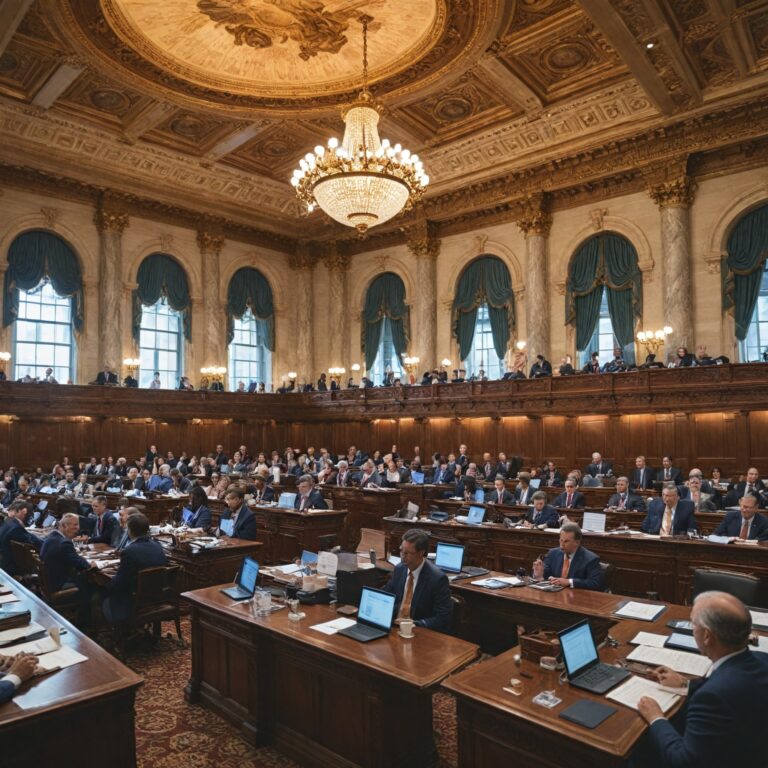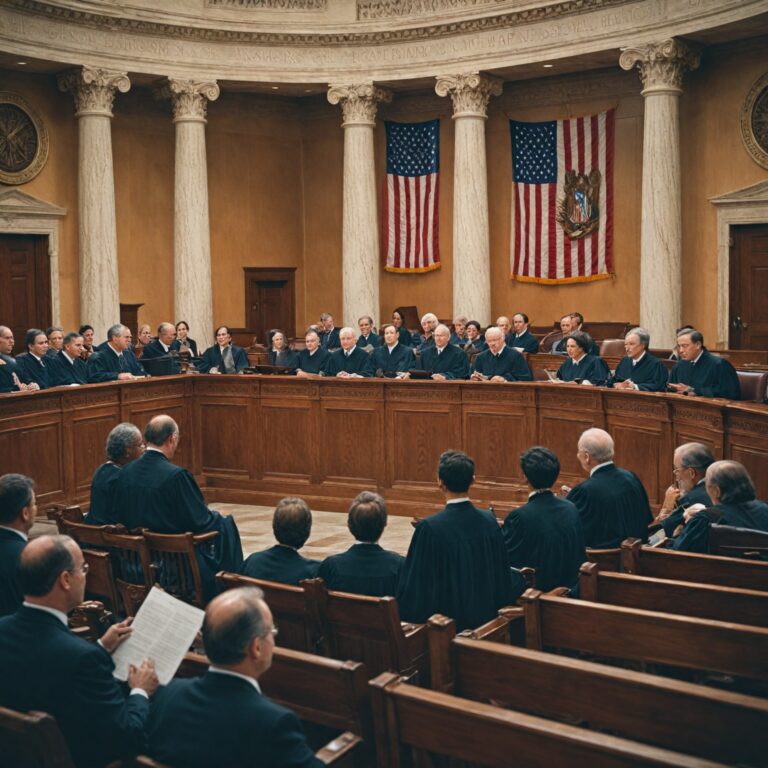
Airlines Urge Congress to Swiftly Resolve Government Shutdown and Ensure Air Traffic Controllers Get Paid
Summary
The 2025 United States federal government shutdown has significantly impacted the nation’s air traffic control (ATC) system, exacerbating existing staffing shortages and placing immense pressure on essential aviation personnel required to work without pay. Air traffic controllers, who manage the safety and flow of aircraft in U.S. airspace, have faced increasing financial strain and declining morale amid the prolonged funding lapse, leading to operational challenges and widespread flight delays at major airports nationwide. The shutdown has underscored the fragility of the national airspace system, which relies on a limited pool of trained controllers and federal employees to maintain safety and efficiency.
Major U.S. airlines and industry groups, including Airlines for America, have urged Congress to swiftly pass a clean Continuing Resolution to restore government funding and ensure that controllers and other federal aviation workers receive their pay. These calls emphasize the critical role of aviation personnel in maintaining safe and reliable air travel during a period of record passenger and cargo volumes. While aviation experts affirm that safety standards remain intact despite staffing shortages and increased delays, there is growing concern that extended unpaid work and workforce reductions could compromise performance and long-term system resilience.
The shutdown has also disrupted ongoing efforts to modernize the Federal Aviation Administration’s air traffic control system and to recruit and train new controllers to address chronic shortages. Union representatives and federal aviation leaders have highlighted the risk of increased attrition and diminished safety margins if the shutdown continues, while the Office of Management and Budget has warned of potential federal workforce reductions if funding is not restored promptly. Airlines have taken steps to support unpaid federal employees, including providing meals and public advocacy, while controllers have engaged in grassroots outreach to raise awareness of the situation’s impact on aviation safety and efficiency.
Legislative and governmental responses have so far been slow, with Congress facing mounting pressure to resolve the shutdown and prevent further operational disruptions across the aviation sector. The crisis has drawn national attention to the essential nature of air traffic controllers and other federal aviation employees, spotlighting the broader consequences of government funding lapses on transportation infrastructure and public safety.
Background
In the United States, government shutdowns occur when Congress fails to enact funding legislation before the start of a new fiscal year. During such shutdowns, federal government activities are curtailed, non-essential operations cease, non-essential workers are furloughed, and only essential employees—those involved in protecting human life or property—continue to work. The Federal Aviation Administration (FAA) air traffic control system and the Transportation Security Administration (TSA) are considered essential services and are required to operate even during shutdowns, although many FAA employees are furloughed in the process.
The FAA faces significant staffing challenges, including being approximately 3,800 air traffic controllers short of targeted staffing levels. Despite the funding gaps, the FAA continues to hire and train controllers to address these shortages. However, the ongoing government shutdown has intensified pressures on air traffic controllers, many of whom are working without pay. These workers face a highly demanding and stressful environment, balancing the complexities of fast-paced job duties with financial uncertainties, which has led to declining morale among trainees and experienced controllers alike.
Airlines and industry experts have expressed concerns about the operational impacts of the shutdown on aviation safety and efficiency. While flight delays and increased ground times have been reported, the FAA has emphasized that safety standards remain intact. Delays are often implemented proactively as a precaution to ensure that air traffic remains within manageable limits given the controller shortages. The multi-layered air traffic control system includes built-in redundancies and contingency plans designed to maintain safety even when staffing levels are strained, although persistent shortages gradually erode these safeguards.
Local leaders of the National Air Traffic Controllers Association (NATCA) have highlighted the importance of controllers continuing to report to work despite the challenges posed by the shutdown. Nonetheless, the potential for more programs to be affected and the risk of federal workers being fired if the shutdown persists has raised further concerns about the long-term impacts on air traffic control operations and federal aviation safety.
Effects of the Government Shutdown on Air Traffic Controllers
The government shutdown has had a significant impact on air traffic controllers (ATCs) in the United States, exacerbating pre-existing staffing shortages and causing operational challenges across the nation’s airports. Despite being classified as essential workers who must continue working without pay during shutdowns, many controllers have faced financial strain, leading some to take on second jobs to make ends meet.
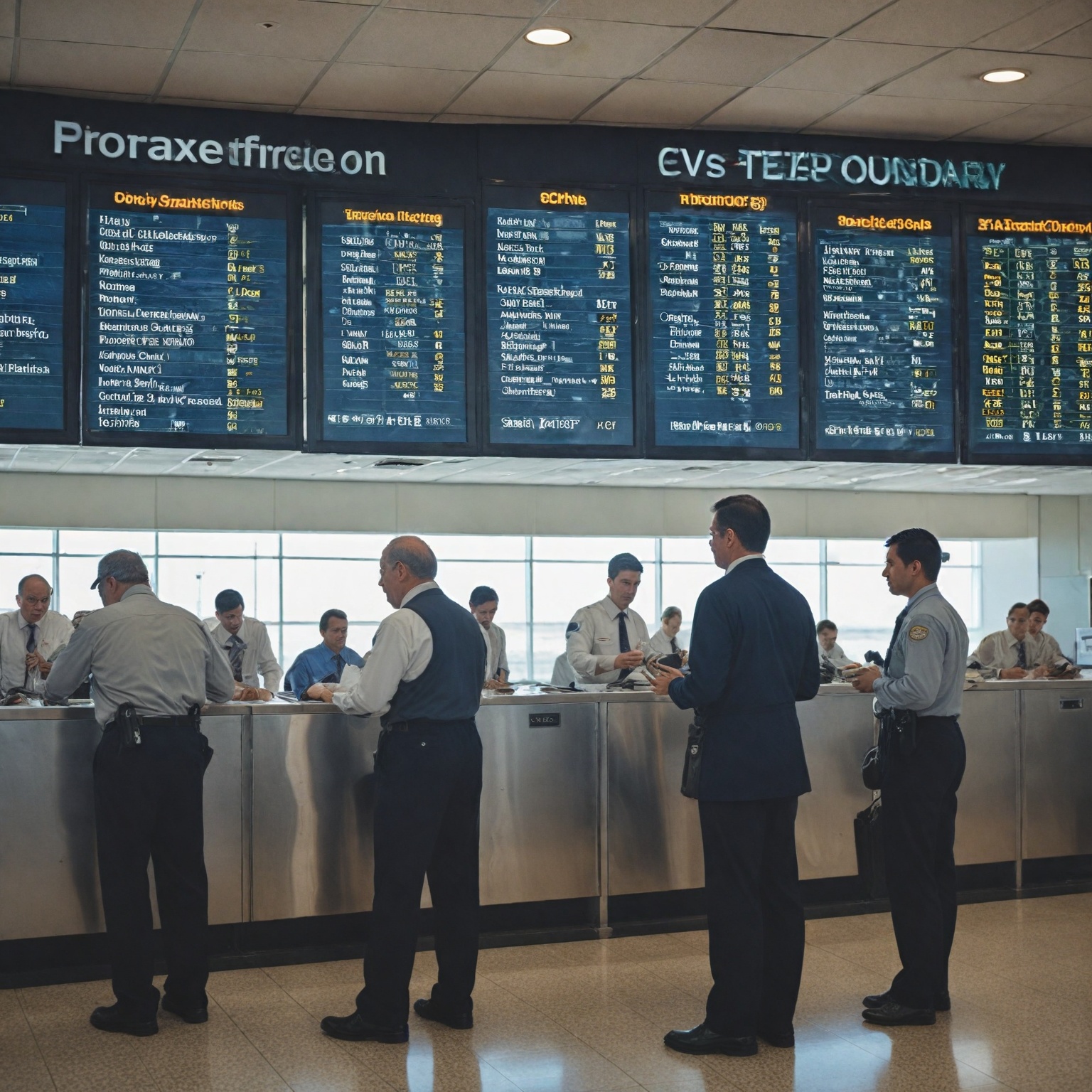
Long-standing shortages of air traffic controllers—stemming from insufficient hiring, lengthy training periods, and high dropout rates—have been worsened by the shutdown. Even a small increase in sick leave during the shutdown period disrupted operations at major East Coast airports, highlighting the fragility of the system under current staffing levels. Over the shutdown’s duration, more than 50 staffing shortages were reported nationwide, causing delays from Los Angeles to Washington, D.C..
The stress of working in a high-pressure, fast-paced environment while facing financial uncertainty has affected both experienced controllers and trainees. New controllers have reportedly questioned continuing in the profession due to the lack of pay and job security, with some considering leaving the field entirely. The shutdown has interrupted efforts to modernize the Federal Aviation Administration’s (FAA) air traffic control system and has potential long-term effects on safety redundancies, training, and staff retention.
Union representatives have urged Congress to end the shutdown swiftly by passing a clean continuing resolution to ensure controllers receive their pay and to maintain the stability of the aviation system. The failure to compensate controllers not only impacts their livelihoods but also threatens the safety and efficiency of air travel nationwide. The prolonged absence of pay has heightened tensions among controllers and contributed to the uncertainty surrounding the future of air traffic control staffing and operations.
Impact on Airlines and the Aviation Industry
The ongoing government shutdown has significantly impacted the aviation industry, particularly through disruptions caused by staffing shortages among air traffic controllers and other federal employees essential to airport operations. Airlines for America, which represents major U.S. carriers such as American Airlines, Delta Air Lines, Southwest Airlines, and United Airlines, issued a statement urging a swift resolution via a clean, nonpartisan bill to end the shutdown. The association emphasized that at a time of record air travel and increased reliance on cargo shipments, stability and predictability in U.S. aviation are critical. The failure to pay federal employees responsible for managing the national airspace has increased stress on air traffic controllers, TSA officers, and Customs and Border Protection employees, all of whom play vital roles in maintaining aviation safety and security.
Even prior to the shutdown, the U.S. faced a shortage of trained air traffic controllers, which periodically caused flight disruptions. Airline executives have long advocated for enhanced training programs and modernization of technology to address these issues. Recent controller shortages have already led to delays at several airports, including Nashville, Tennessee, and Burbank, California, though most facilities remained adequately staffed. Some controllers reportedly took on secondary jobs, such as driving for ride-hailing services, to compensate for lost income during the shutdown. A similar shortage in late 2018 coincided with a government shutdown and caused significant travel disruptions in the New York area.
Despite the inconveniences, aviation experts suggest that these delays do not currently compromise passenger safety. Sheldon Jacobson, a professor of computer science and aviation security expert, stated that while service quality is affected, safety remains intact. Airline pilots, who are not federal employees, maintain responsibility for final safety checks before departure and would not authorize takeoff if safety concerns arose. Nonetheless, there is concern that an extended shutdown could impair air traffic controller performance due to financial stress and fatigue. Airlines for America acknowledged that while flying remains safe, shortages in control tower staffing have caused delays.
The shutdown’s impact extends beyond major hubs, posing risks to rural airports reliant on federal subsidies through programs like the Essential Air Service (EAS). Staffing shortages at multiple FAA facilities have resulted in delays in cities including Philadelphia, Boston, Dallas, Chicago, and Houston. Even a small number of sick calls among controllers can have disproportionate effects on flight schedules, illustrating the fragility of the system during the shutdown. On several consecutive days, staffing shortages affected upwards of a dozen FAA locations, exacerbating nationwide flight delays.
U.S. Transportation Secretary Sean Duffy highlighted that a significant proportion of recent flight delays—44% on a recent Sunday and approximately 24% the following Monday—were attributable to air traffic controller shortages, compared with only around 5% for the year prior to the shutdown. The Federal Aviation Administration has also warned of potential disruptions in airspace across regions including Philadelphia, Denver, and the western United States.
The Office of Management and Budget (OMB) has issued directives to federal agencies to prepare for potential reductions in force if funding lapses continue beyond September 30, 2025, threatening further operational capacity. Aviation industry leaders, including NATCA (National Air Traffic Controllers Association), have voiced frustration over what they consider unfair blame placed on aviation professionals who continue working despite these challenges. NATCA’s leadership has committed to collaborating with the Department of Transportation and FAA to address systemic issues such as controller hiring shortages and the need for modernization, while lamenting that the current shutdown represents a significant setback to these efforts.
Airlines’ Advocacy and Public Statements
During the government shutdown, major U.S. airlines and their associations have been vocal in urging Congress to pass a clean Continuing Resolution to fund the government and ensure that air traffic controllers and other federal aviation workers receive their pay. The Allied Pilots Association President, First Officer Nick Silva, emphasized the importance of bipartisan cooperation in reopening the government, highlighting solidarity with air traffic controllers and TSA employees who continue to work without pay. Similarly, Jody Reven from the Southwest Airlines Pilots Association underscored the immense pressure on the nation’s aviation system, warning that a prolonged shutdown threatens the efficiency and safety of the skies due to reduced controller availability.
Airlines for America, which represents major carriers such as American Airlines, Delta Air Lines, Southwest Airlines, and United Airlines, released statements stressing the critical need for stability and predictability amid record air travel and increased cargo reliance. The group highlighted how missed paychecks for federal employees exacerbate stress for air traffic controllers, TSA officers, and Customs and Border Protection employees responsible for maintaining aviation safety and security. United Airlines CEO Scott Kirby publicly called on Congress to pass a clean continuing resolution, warning that the shutdown not only affects aviation safety but also places broader economic stress on the country. American Airlines also described the situation as unacceptable, emphasizing that a prolonged shutdown would result in more delays and cancellations during the busy holiday travel season.
Despite the challenges posed by the shutdown, airlines sought to reassure the public that flying remains safe. Harteveldt, a spokesperson for Airlines for America, noted that airline pilots—who are not federal employees—make the final safety decision before takeoff, and that FAA inspectors’ roles are not directly impacted by the shutdown in terms of immediate flight clearance. Nonetheless, the organization acknowledged that staffing shortages in control towers could lead to operational delays.
Beyond advocacy, several airlines took steps to support unpaid federal aviation workers. United Airlines began donating meals to air traffic controllers and other essential federal employees affected by delayed paychecks. Delta Air Lines similarly arranged for limited meals for transportation sector workers, operating within federal agency regulations, while JetBlue coordinated with federal partners to offer meals at airports as a gesture of support.
In addition to these efforts, air traffic controllers themselves engaged in public outreach at major airports, distributing pamphlets in union-branded shirts to encourage passengers to contact their congressional representatives and advocate for an end to the shutdown. This grassroots effort complemented the airlines’ broader push for legislative action to restore funding and support the essential workers keeping the national airspace safe and operational during the funding lapse.
Legislative and Governmental Responses
As the federal government shutdown continued into its fourth week, legislative and governmental actions became focal points in addressing the escalating crisis impacting air traffic controllers and other critical federal employees. The Office of Management and Budget (OMB) Director Russell Vought issued a directive warning federal agencies to prepare Reduction in Force (RIF) notices for employees in programs where discretionary funding lapses as of October 1, 2025, unless Congress acts to restore funding. This highlighted the urgency for legislative intervention to prevent further workforce reductions.
Congress faced pressure to reconvene and pass a clean Continuing Resolution (CR) to fund and reopen the government, a step widely regarded as the simplest and most immediate solution to ensuring the payment of federal workers, including air traffic controllers and Transportation Security Administration (TSA) personnel who continued working without pay. Despite these calls, it remained uncertain when Senate votes on related legislation would occur, prolonging the stalemate.
In response to the shutdown’s impact on federal workers, the Senate planned to vote on a bill aimed at restoring salaries for those required to work without pay, such as air traffic controllers. However, doubts persisted about the bill’s prospects for passage. Concurrently, the White House sought alternative funding measures, including the reprogramming of funds to cover active-duty military paychecks, signaling attempts to mitigate financial disruptions amid legislative gridlock.
Efforts to secure funding for military personnel during the shutdown also failed in a Senate procedural vote, further complicating the government’s fiscal challenges and raising concerns among industry leaders about the prolonged effects on aviation operations. Airlines voiced apprehensions about the potential consequences of an extended shutdown on flight schedules and safety.
Throughout the shutdown, the Federal Aviation Administration (FAA) maintained that safety standards remained uncompromised despite the operational difficulties caused by staffing shortages and funding interruptions. The FAA implemented measures such as slowing air traffic to manage safety risks while awaiting legislative resolution. Contingency plans were also activated to redistribute workloads across air traffic control facilities with varying staffing levels, ensuring continued system redundancy and protection despite diminished personnel.
Broader Implications for Aviation Safety and National Airspace System
The ongoing government shutdown has highlighted critical challenges facing the United States aviation system, particularly concerning air traffic controller (ATC) staffing and the overall safety of the national airspace. Despite air traffic controllers and other essential personnel being required to work without pay during the shutdown, their financial strain and resulting morale issues have raised significant concerns about the system’s resilience and safety.
ATC staffing levels are already critically low nationwide, with certain regions such as Arizona and California experiencing more pronounced shortages. Although these shortages rarely cause direct impacts on flights, the Federal Aviation Administration (FAA) has had to implement measures such as slowing traffic into affected airports to maintain safe operations. The National Air Traffic Controllers Association (NATCA) has acknowledged the fragility of the current system, emphasizing that even normal rates of absenteeism can exacerbate existing vulnerabilities in the face of a nationwide shortage of controllers.
The shutdown-induced financial hardships have compounded these challenges. Controllers facing missed paychecks have reportedly sought side jobs to cover expenses, adding stress that could compromise their focus and job performance in a high-stakes, fast-paced work environment. This situation threatens not only controller well-being but also the safety margins within the national airspace system. Senior controllers have noted diminishing morale among trainees and experienced staff alike, underscoring the delicate balance necessary to safely manage increasingly complex air traffic.
Industry leaders and experts have reassured the public that aviation safety remains paramount. Airline pilots retain ultimate authority over whether a flight is cleared for departure, independently verifying safety regardless of FAA operational disruptions. The FAA continues to uphold stringent safety standards, even amid staffing shortages, by proactively managing traffic flows and instituting ground delays when necessary to prevent overloading controllers. Such measures, while causing some delays, act as an extra layer of precaution to ensure safe travel during the shutdown.
The shutdown also affects other critical aviation personnel, including approximately 50,000 Transportation Security Administration (TSA) employees who must work without pay, leading to increased absences and longer wait times at security checkpoints, as observed during the 2019 shutdown. The collective strain on controllers, TSA officers, and other federal aviation employees underscores the broader implications of government funding disruptions on the safety and efficiency of the national airspace system.
Long-term challenges compound the immediate impacts of the shutdown. The FAA has struggled for years to train and recruit enough new controllers to replace retirees and meet demand
Public and Media Response
The government shutdown triggered significant public and media attention, particularly regarding its impact on the aviation sector. Air traffic controllers, despite being considered essential workers required to remain on duty during the shutdown, faced furloughs and pay delays, prompting widespread concern about the strain on the nation’s aviation safety and efficiency. Controllers organized public outreach efforts at major airports, wearing union shirts and distributing pamphlets urging travelers to contact their representatives to end the shutdown, highlighting the fragility of the aviation system amid staffing shortages.
Media coverage emphasized both the operational disruptions and the broader political context of the shutdown. Some commentators, such as Ezra Klein, framed the shutdown as a form of resistance against perceived government corruption, arguing that voting to fund a flawed government implicates individuals in that corruption. Klein suggested that a shutdown could help focus media and public scrutiny on those opposing government defunding, despite the uncertainty of the shutdown’s ultimate consequences.
Travelers experienced widespread delays and disruptions at numerous airports across the country due to staffing shortages at Federal Aviation Administration (FAA) facilities. The effects were reported as growing more pronounced over time, with many major hubs experiencing increasing delays. Additionally, popular national parks faced impacts from the shutdown, further affecting tourism and public access to federal lands.
Experts provided nuanced assessments of the situation. Sheldon Jacobson, an aviation security specialist, indicated that while flight delays were a significant inconvenience, they did not necessarily translate into compromised safety for travelers. However, some industry professionals expressed concern that prolonged unpaid work could eventually degrade air traffic controllers’ performance and the overall effectiveness of the system. The FAA’s air traffic control system is designed with multiple layers and redundancies to maintain safety, and contingency plans were activated to mitigate risks arising from reduced staffing.
Resolution and Future Outlook
The ongoing government shutdown, which began on September 29, 2025, has placed immense pressure on the nation’s air traffic control (ATC) system, highlighting vulnerabilities in staffing and operational capacity. Airlines and air traffic controllers have strongly urged Congress to pass a clean Continuing Resolution to end the funding lapse and ensure controllers receive timely pay, emphasizing the critical role these professionals play in maintaining aviation safety and efficiency.
While contingency plans and redundancies exist within the ATC system to mitigate the impact of controller shortages, prolonged shutdowns exacerbate staffing deficits and strain these safety nets, potentially leading to increased flight delays, cancellations, and disruptions in air traffic management. The fragility of the system has been underscored by past incidents where staffing shortfalls triggered significant operational challenges, such as the 2019 shutdown that saw multiple airports affected due to controller absences.
Looking forward, aviation experts and industry leaders warn that extended shutdowns risk inflicting long-term damage on critical modernization efforts, training programs, and recruitment initiatives aimed at addressing controller shortages. There is consensus that swift legislative action is necessary not only to resolve the immediate crisis but also to preserve the integrity and advancement of the nation’s aviation infrastructure.
In response to the current situation, air traffic authorities continue to employ a variety of management strategies, including workload transitions between facilities and rate adjustments, to maintain system safety while minimizing passenger disruption. However, these measures are stopgaps, and a lasting resolution hinges on restoring stable government funding and ensuring that essential personnel are compensated promptly, thereby sustaining workforce morale and operational reliability throughout the busy travel seasons ahead.
The content is provided by Avery Redwood, Know Heaven