Highlights
- Timely debt consolidation by June 30, 2026, is essential for student loan program eligibility.
- Evolving regulations and lower personal loan rates create unique opportunities for debt management in 2026.
Summary
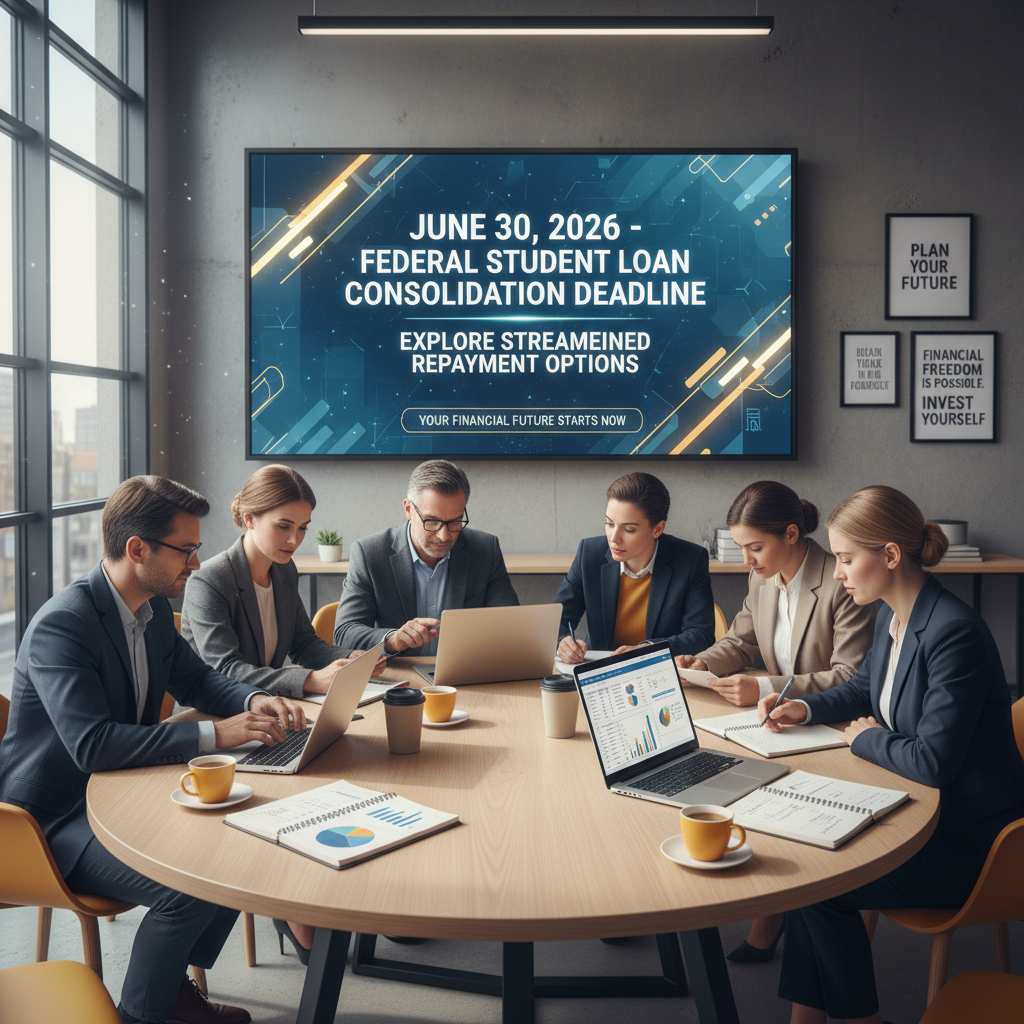
As 2026 approaches, individuals contemplating debt consolidation loans will face significant changes impacting borrowing experiences. Consolidation loans allow borrowers to simplify repayments by combining various debts—such as credit cards and student loans—into a single loan, potentially lowering interest rates and improving credit management. A pivotal date is June 30, 2026; federal borrowers with Parent PLUS loans must consolidate by then to preserve eligibility for income-driven repayment plans and Public Service Loan Forgiveness (PSLF). Failure to consolidate by this deadline could result in losing access to these crucial financial programs.
Consolidation Loans: A Streamlined Approach
Consolidation loans can effectively manage multiple debts by merging them into one monthly payment, simplifying financial management. While personal loans, which are common in this context, usually lack collateral requirements, they may lead to higher interest rates. It’s essential for borrowers to weigh these options carefully, as successful consolidation can improve credit scores and may result in paying less in interest over time. Borrowers should also consider how upcoming regulatory changes could affect eligibility for federal student loan programs.
Impact of Economic Changes in 2026
The 2026 economic environment will greatly influence borrowing decisions; a moderation in economic growth is anticipated alongside upward revisions in inflation forecasts. Regulatory changes are also on the horizon, with new policies possibly affecting loan availability and borrower protections. Key changes in federal student loan policies may further restrict repayment options, highlighting the need for timely consolidation to access a wider array of repayment choices.
Upcoming Changes Affecting Loan Terms and Availability
Starting July 1, 2026, any loans consolidated into a new Direct Consolidation Loan will limit borrowers to specific repayment options, reducing earlier flexibility. Additionally, interest rates for personal loans have shown a downward trend, presenting opportunities for consolidation at potentially lower costs. Lenders are responding by tailoring their offerings to align with these changes, emphasizing the importance of ongoing evaluation of available options.
Benefits of Consolidation Loans in 2026
Debt consolidation loans offer significant benefits, primarily simplifying repayment schedules and potentially lowering interest costs. By consolidating debt into a single payment, borrowers may reduce missed payment risks, while lower interest rates—potentially starting as low as 5.99%—can yield savings. For those with federal student loans, timely consolidation is crucial for retaining access to income-driven repayment plans and PSLF opportunities before the June 30 deadline.
Understanding Risks and Considerations
While consolidation can simplify finances, there are risks to consider. Extending repayment terms may increase total interest paid over the life of the loan, and upfront fees can add costs that borrowers should not overlook. Careful evaluation of personal financial habits is essential, as consolidation may inadvertently promote additional borrowing if not managed wisely. With interest rates remaining elevated, borrowers must diligently compare lenders to secure favorable terms.
Changes in Debt Categories
Student Loans
2026 introduces critical changes for student loans, wherein certain borrowers must consolidate by June 30 to retain benefits like income-driven repayment plans. Borrowers should begin the consolidation process early to ensure they meet this deadline, especially given potential administrative delays. Strategy evaluation for future educational borrowing is vital for affected borrowers.
Managing Credit Card Debt
In 2026, personal loans will remain a popular choice for consolidating high-interest credit card debt, providing chances to lower overall repayment costs. By consolidating credit card balances, borrowers can benefit from improved credit scores due to enhanced credit utilization ratios, making it an attractive consideration in a high-APR environment.
Implications for Mortgages
Adjustments in conventional mortgage loan limits in 2026 may provide more borrowers greater access to loans. These changes could alleviate some financial strains and improve affordability, particularly in high-cost housing markets, impacting overall debt management strategies.
Consumer Debt Legal Changes
New federal and state consumer laws will come into effect in 2026, influencing various debt management aspects. Notably, forgiven mortgage and student loans may become taxable, which requires vigilance from financial consumers. Understanding these evolving regulations is crucial for optimizing long-term debt repayment strategies.
Key Deadlines for 2026 Borrowers
June 30, 2026, is a significant deadline for federal student loan borrowers looking to consolidate, as missing this date impacts loan benefits and forgiveness options. Awareness of these timelines is essential for effective financial planning.
Consumer Protection Updates in 2026
New consumer protection regulations will enhance borrower safeguards and transparency in lending practices, particularly important for those seeking consolidation loans. Awareness of these changes is critical to navigate the evolving landscape successfully and ensure fair treatment in the lending process.
Financial Outlook with Regulatory Changes
2026 will usher in regulatory adjustments that influence both the cost and accessibility of borrowing. Borrowers should be prepared for potential increases in loan costs while remaining proactive in comparing offers to secure favorable terms amid changing market conditions.
Adapting Offerings from Lenders
In response to regulatory changes, lenders are adjusting strategies and refining offerings, particularly in the personal loan sector. Awareness of these shifts is necessary for borrowers aiming to consolidate effectively while navigating the current lending landscape.
Application Process for Consolidation Loans
Understanding the application process for 2026 consolidation loans involves careful timing and consideration of eligibility criteria. Borrowers should initiate their applications well in advance of the June 30 deadline to avoid processing delays and secure desired repayment options.
Evaluating Alternative Debt Management Strategies
Debt consolidation stands apart from other management strategies by offering streamlined repayment. While balance transfer credit cards can provide low introductory rates, the risks of fluctuating rates necessitate diligent evaluation of consolidation options, ensuring borrowers have clarity on all potential costs and benefits.
Conclusion
The evolving landscape of debt consolidation in 2026 emphasizes the importance of timely action and informed decision-making. By carefully assessing individual financial situations and staying updated on regulatory changes, borrowers can optimize their debt repayment strategies and safeguard their financial futures.
The content is provided by Jordan Fields, Know Heaven