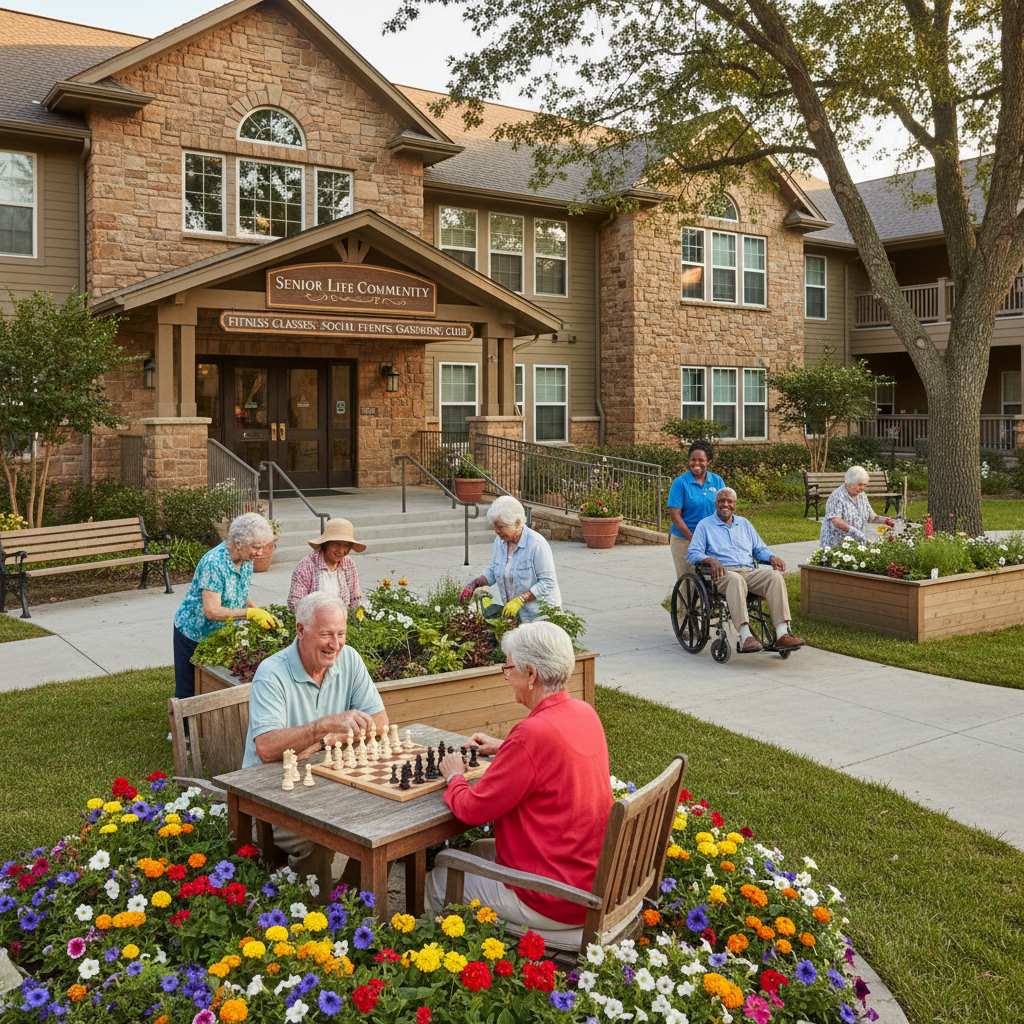
Highlights
- Senior housing programs offer tailored living options to meet diverse needs of older adults.
- Affordability and accessibility are vital for low-income seniors seeking supportive housing solutions.
Summary
Senior housing programs cater to older adults by offering diverse residential options that ensure safety, affordability, and support for independent living. These programs include independent living, assisted living, memory care, and skilled nursing facilities, each tailored to specific health and lifestyle needs while complying with federal laws like the Fair Housing Act. Typically, residents are required to be 55 or older, and many programs integrate supportive services aimed at enhancing the quality of life and accommodating low-income seniors through initiatives like the Section 202 Supportive Housing Program and Section 8 vouchers.
Overview of Senior Housing Programs
Senior housing encompasses a spectrum of living arrangements designed to meet age-related needs and provide respective levels of care. Different types include independent living, which promotes an active lifestyle without medical oversight; assisted living, offering help with daily tasks; memory care, focusing on residents with cognitive issues; and skilled nursing, which provides extensive medical care. Understanding these options supports seniors and their families in selecting the most appropriate living situation for their circumstances.
Independent Living
Independent living communities cater to seniors wishing for maintenance-free living without the need for personal care. They generally offer amenities like housekeeping and social activities, enabling residents to enjoy a vibrant lifestyle. However, they do not provide assistance with daily living activities.
Assisted Living
Assisted living facilities serve seniors needing help with daily tasks like bathing or medication management. These facilities maintain a balance between supporting independence and delivering necessary care, often hosting communal activities for social interaction.
Memory Care
Specialized memory care communities are dedicated to residents suffering from conditions like dementia, providing 24-hour assistance and tailored activities designed to ensure safety and improve well-being.
Skilled Nursing
For those requiring ongoing medical supervision or rehabilitation, skilled nursing facilities offer access to round-the-clock medical care, ensuring residents receive extensive support based on their health conditions.
Eligibility Criteria
Eligibility for senior housing typically hinges on income, age, household composition, citizenship, and the ability to live independently. As many programs target low-income seniors, understanding these criteria can clarify who qualifies for various housing options.
Income Requirements
Income limits, often pegged to local area median incomes, are paramount; for example, Section 8 housing mandates that household income must not exceed 50% of the area’s median. Financial resources, including savings, may also be assessed to ensure applicants meet the necessary thresholds.
Age and Household Composition
Age requirements vary, with programs like Section 202 focusing specifically on seniors aged 62 and older, while others may embrace a broader range of eligible individuals. Application evaluations incorporate household makeup, including preferences for vulnerable populations such as veterans.
Citizenship Requirements
Federal programs generally necessitate applicants to be U.S. citizens or eligible non-citizens, with all household members needing valid Social Security numbers. Complete transparency regarding background checks is essential, though credit history assessments are typically more lenient for low-income applicants.
Health Assessments
Many senior housing programs ensure applicants can perform key daily activities independently or with minimal support. Evaluations conducted by qualified staff assess the physical and cognitive abilities of seniors, providing valuable insights into the care level needed.
Application and Selection Process
For seniors seeking government-assisted housing, the application process differs based on the program. In cases like Section 8, applications can only be submitted during designated open enrollment periods through local Public Housing Authorities. Given the high demand, applicants may face prolonged waiting periods after submission.
Federal and State Senior Housing Programs
Numerous federal and state programs are aimed at facilitating affordable housing for low-income older adults. These programs particularly benefit seniors aged 62 or older meeting set income benchmarks, primarily focusing on those earning less than 50% of the area median income. Key federal initiatives include the Section 202 program, geared towards very low-income seniors, and the Section 8 Housing Choice Voucher Program, which enhances private housing access for eligible individuals.
Funding and Costs
Federal funding primarily supports senior housing programs through direct subsidies aimed at maintaining affordable living standards. Despite these efforts, demand continues to grow, necessitating further resources to address the affordability gap facing older adults reliant on fixed incomes. The average costs associated with senior living facilities vary considerably, highlighting the need for assistance options like Medicaid to help offset these expenses.
Benefits of Senior Housing Programs
Senior housing programs provide crucial benefits such as affordable living environments and the support necessary for older adults to maintain autonomy. They also foster social engagement through community activities, which can combat loneliness and enhance mental health. By integrating essential services, these programs ensure that seniors can manage their care needs while engaging with one another in enriching environments.
Challenges and Barriers
Senior housing programs encounter numerous challenges, such as insufficient funding, high demand leading to extensive waiting lists, and strict eligibility screenings that can create roadblocks for potential residents. These barriers further emphasize the necessity of ongoing reforms aimed at improving access to these vital resources for a growing senior population.
Demographics and Impact
Over two million seniors participate in federal housing assistance programs designed to provide financial relief and support. While many programs effectively reduce homelessness and foster wellbeing through stable housing, there remains a critical gap in accessibility for the vast number of low-income seniors still awaiting assistance. This underscores the urgency for targeted reforms and increased funding to meet the expanding demands of an aging population.
Regional Perspectives and Examples
Access to affordable housing for older adults can significantly differ by region, often influenced by local demand and demographic trends. In areas like New York, various programs and initiatives offer valuable resources to low-income seniors. The regulatory framework governing these communities remains consistent, ensuring standards for quality and accessibility while accommodating varied living preferences and needs.
Recent Developments and Trends
The lack of new funding since 2012 for key programs like Section 202 has prompted discussions about necessary reforms to better address the needs of low-income seniors. As discussions evolve, recognizing the ongoing demand and exploring diverse housing models emerging in response to the unique challenges faced by older adults will be essential to ensuring comprehensive support moving forward.
The content is provided by Jordan Fields, Know Heaven