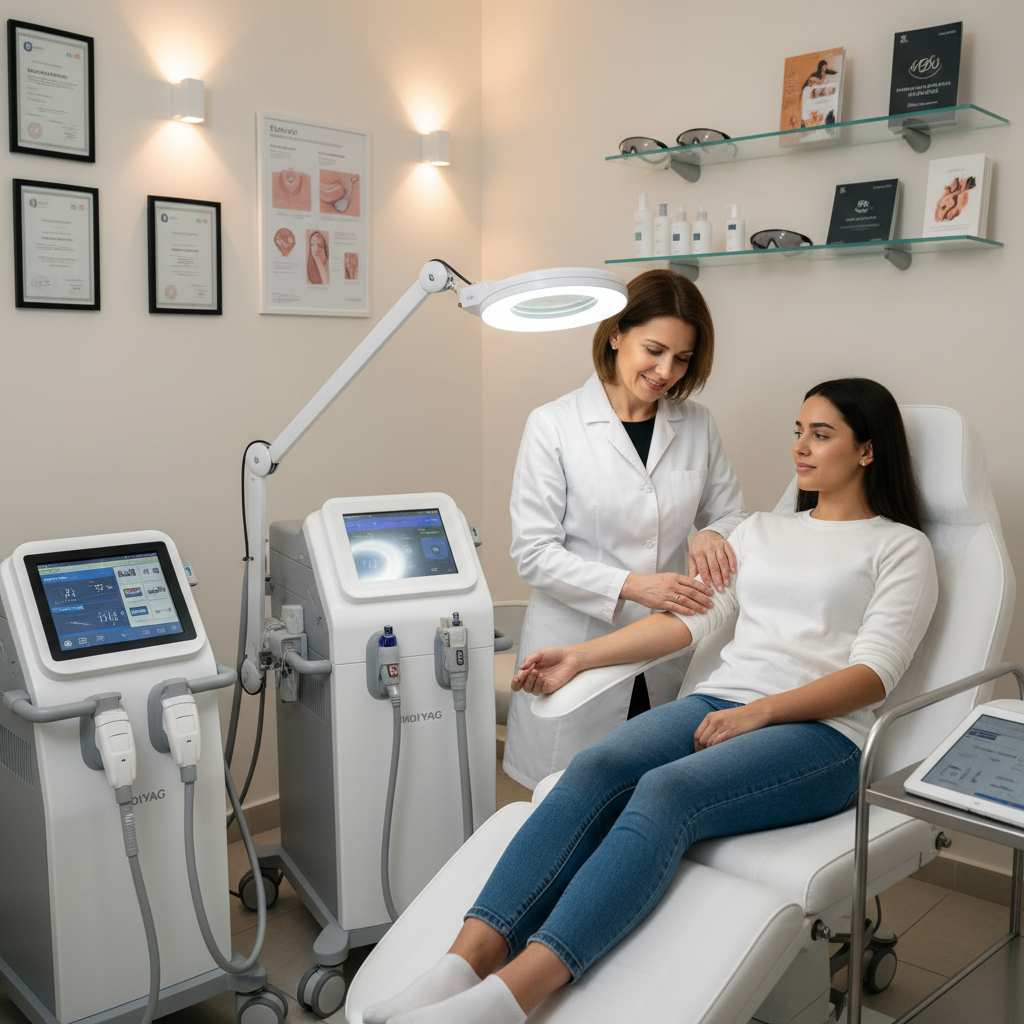
Highlights
- Laser removal is a minimally invasive method for eliminating unwanted hair and skin imperfections.
- Advanced technologies enhance safety and effectiveness, making treatment accessible to diverse skin types.
Summary
Laser removal procedures use targeted technologies to safely and effectively eliminate unwanted hair, tattoos, and various skin conditions. Since the mid-1990s, advancements in laser technology and treatment protocols have positioned laser removal as a leading option over traditional methods by providing customizable therapies that enhance results while reducing discomfort and recovery time. Different lasers, such as diode, alexandrite, and Nd:YAG, cater to specific applications and skin types, with recent innovations like picosecond lasers and AI integration improving treatment safety and comfort, especially for diverse skin tones. Despite high acceptance, potential side effects emphasize the need for skilled practitioners and adherence to safety protocols to minimize risks. The market for laser removal is expanding rapidly, driven by consumer demand for non-invasive aesthetic solutions, with future developments likely to focus on personalized treatment protocols and next-generation technologies.
History
The evolution of laser hair removal began with experimental techniques over two decades before achieving commercial availability in the mid-1990s. A key milestone was a 1998 study from Massachusetts General Hospital, which laid the groundwork for the procedure’s adoption as a reliable cosmetic option, replacing less effective hair removal practices. Advances in laser types and the recent introduction of AI-powered systems have significantly enhanced efficacy and safety, making laser treatments more accessible and effective for various skin and hair characteristics. Innovations from companies like Cynosure have set new industry standards, indicating the ongoing need for research to keep pace with technological advancements in the field.
Types of Laser Removal
Various laser technologies address specific treatment goals such as hair removal, tattoo removal, and skin resurfacing. Laser hair removal primarily employs diode, alexandrite, or Nd:YAG lasers, with diode lasers being the most commonly used due to cost-effectiveness and versatility. Tattoo removal relies on Q-switched lasers, which effectively shatter ink particles without damaging surrounding tissues, while recent innovations, such as picosecond lasers, enhance precision further. Skin resurfacing treatments utilize both ablative and non-ablative lasers to improve skin texture and tone, with advancements reducing recovery times and complications.
Considerations for Laser Use
The effectiveness and safety of laser treatments depend on pulse duration and fluence, which need careful calibration to avoid side effects, particularly for patients with darker skin types. Nanosecond lasers are generally effective for tattoos, while picosecond lasers allow for better results using lower energy levels. Understanding these parameters is essential in optimizing treatment plans tailored to individual patient needs.
Latest Trends and Innovations
The integration of AI into laser systems marks a significant trend in enhancing treatment precision by allowing real-time skin analysis. This development improves clinical outcomes by customizing settings according to skin conditions, thus enhancing safety and comfort. Another innovative direction is the emergence of hybrid lasers that blend ablative and non-ablative technologies, leading to faster recovery with higher patient satisfaction. As the demand for laser removal grows, especially in regions experiencing rapid urbanization, advanced technologies continue to minimize treatment risks, including for patients previously at risk of complications.
Safety and Side Effects
When performed by trained professionals, laser removal treatments generally have a strong safety record. Common side effects like skin irritation and mild redness typically resolve quickly, but concerns about pigmentation changes in darker skin tones persist. Utilizing appropriate laser types and protocols is crucial for minimizing these risks, and patients may benefit from patch testing. The advent of fractional and AI-enhanced lasers has improved safety by precisely targeting skin areas while reducing surrounding tissue damage.
Clinical Guidelines and Treatment Protocols
Adherence to clinical guidelines is essential for ensuring the efficacy and safety of laser removal procedures. Comprehensive patient assessments help identify the most appropriate laser technologies based on individual characteristics and concerns. Treatment protocols should be customized according to skin type and lesion specifics, while pre- and post-treatment care aids in optimizing outcomes and minimizing complications.
Effectiveness and Patient Outcomes
Laser removal procedures yield varying effectiveness based on technology, patient factors, and treatment protocols. While hair clearance rates are generally favorable across skin types, Nd:YAG lasers are preferred for darker skin due to their safety profile. Advancements in laser technologies, including picosecond lasers, have markedly improved both safety and efficacy for specific conditions. Ongoing research into individual patient variables can further refine treatment strategies to enhance effectiveness and satisfaction.
Limitations and Challenges
Despite progress in laser technology, challenges remain in achieving consistent and optimal results across different clinical settings. Variability in devices and techniques can complicate standardization efforts. Additionally, the importance of thorough patient selection is critical to avoiding complications and ensuring satisfactory outcomes, particularly concerning contraindications. Ongoing technological developments necessitate regular updates in practitioner knowledge and adherence to safety protocols.
Technological Advances in Device Design
Recent advancements in laser device design aim to improve treatment efficacy and patient comfort. Multi-wavelength systems allow for tailored treatments across different skin types, while AI integration provides real-time analysis for personalized results. Innovations in cooling technologies have enhanced patient comfort significantly, making procedures more accessible. Continued software enhancements further streamline clinical operations and improve patient experiences.
Cost, Accessibility, and Market Trends
The laser removal market is experiencing rapid growth driven by increased consumer interest in non-invasive treatments. Advances in technology have improved accessibility, with clinics adopting multifunctional devices that offer comprehensive treatment options. As patient demand for less invasive solutions rises, proper adherence to guidelines ensures treatments remain effective and safe, emphasizing the need for qualified practitioners to maintain quality assurance.
Regulatory and Ethical Considerations
Regulatory frameworks govern the use of laser technologies, focusing on safety and efficacy standards that practitioners must adhere to. Ethical considerations underscore the importance of informed consent, thorough patient education, and adherence to treatment protocols. Ongoing research, guided by ethical principles, must continue to promote high standards of care and responsible use of laser removal therapies.
Future Directions
The future of laser removal is marked by innovations that enhance patient experience and treatment effectiveness. AI and advanced imaging techniques are key trends enabling personalized protocols, while multifunctional platforms that combine different modalities will likely gain traction. Continued research is vital to adapt to technological changes and ensure practitioners can deliver high-quality care in an evolving landscape.
The content is provided by Blake Sterling, Know Heaven