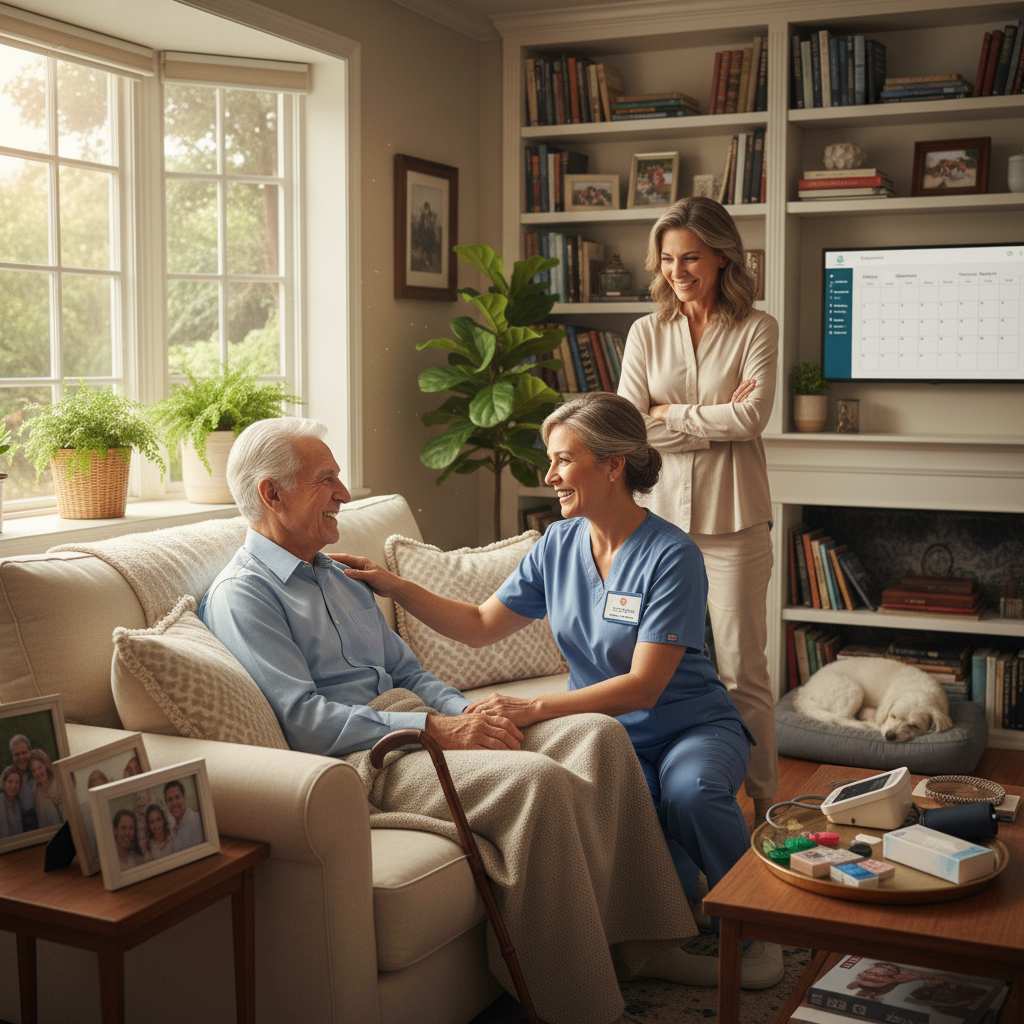
Highlights
- Prioritizing personalized care plans enhances seniors' safety, autonomy, and overall well-being.
- Understanding caregiver challenges fosters a supportive environment for effective home care delivery.
Summary of Senior Support in Home Care
Evaluating senior support in professional home care requires understanding key factors essential for delivering quality services to older adults. As the population ages, ensuring safety, autonomy, and personalized care becomes priority for enabling seniors to live comfortably at home. Individualized care plans, developed collaboratively by healthcare professionals, seniors, and their families, play a crucial role in meeting both clinical and social needs, alongside support for family caregivers who face unique challenges.
The Essence of Senior Support in Home Care
Effective senior support in home care balances communication, safety, and autonomy. Seniors often wish to maintain control over their lives, which is vital for emotional stability and overall well-being. Collaborate with healthcare professionals to ensure care plans respect both safety and independence through open communication and thoughtful planning.
Evaluating Professional Home Care
When evaluating home care for seniors, prioritize safety and independence. Conduct a thorough assessment of the living environment to identify hazards and implement modifications that foster independence. Consider staff qualifications, compliance with regulations, and the flexibility of services, ensuring that they align with the unique needs of the individual.
Qualifications and Personalized Planning
Choose a home care agency with qualified professionals, ensuring compliance with state regulations. Emphasize personalized care planning, informed by comprehensive assessments that cater to specific risks and needs. Family members should be educated and involved in this process to enhance the caregiving experience.
Caregiver Challenges and Quality of Life
Recognizing the challenges faced by family caregivers is essential in supporting home care quality. Family caregivers often manage medication complexities and emotional stress, requiring access to training and mental health resources. Additionally, evaluating quality of life goes beyond clinical measures, incorporating social engagement and emotional well-being in overall care assessments.
Services Offered by Home Care Providers
Home care services encompass not just assistance with daily living activities, but also medical support and safety modifications. Emotional support, companionship, and thorough evaluations are vital to ensure that care is tailored to the individual’s needs and contributes positively to their quality of life.
Personalized Care Planning
Creating an effective personalized care plan is crucial to addressing the specific needs of seniors. Active participation of the individual in decision-making fosters autonomy and ensures that care aligns with their preferences. Care plans should remain flexible, adapting to changes in health status and personal circumstances.
Quality Assurance and Ethical Considerations
Quality assurance is fundamental in professional home care to ensure safe, effective services. Focus on clinical outcome measures, ethical principles, and caregiver training, which support the rights and dignity of seniors. Regulatory standards help filter unqualified providers, promoting ethical practices and quality care delivery.
Addressing Elder Abuse and Safety
Preventing elder abuse necessitates a multifaceted approach that prioritizes the dignity and autonomy of seniors. Establishing communication, encouraging social engagement, and implementing high ethical standards can significantly mitigate risks associated with elder abuse, ensuring a safe home environment for seniors.
Challenges and Support for Family Caregivers
Family caregivers face medication management, communication issues, and financial strain that can affect care quality. Strategies such as education programs, financial assistance, and community support networks can help alleviate some of these challenges, enabling caregivers to deliver better care and maintain their well-being.
Selecting a Professional Home Care Provider
Choosing the right home care provider involves assessing qualifications, ensuring thorough evaluations, and developing personalized care plans that cater to individual needs. Engage in structured decision-making to compare options and confirm that the provider meets the necessary standards, ultimately fostering confidence in your decision.
Financial Considerations in Home Care
Understanding the financial aspects of professional home care is critical, as not all services are covered by insurance. Explore various funding sources, including private aid and government programs, to alleviate financial pressures while ensuring effective care is delivered without unexpected costs.
Future Trends in Senior Home Care
Emerging trends in senior home care focus on technology integration, personalized healthcare, and regulatory advances that prioritize client-centered approaches. These developments enhance safety, accessibility, and overall quality, ensuring that seniors can live independently and receive supportive, compassionate care.
The content is provided by Harper Eastwood, Know Heaven