Highlights
- Adult computer classes in 2026 equip learners with essential and advanced digital skills.
- Flexible learning formats and immersive technologies enhance engagement and cater to diverse needs.
Overview of Adult Computer Classes in 2026
In 2026, adult computer classes focus on equipping learners with essential digital skills necessary for employment and personal growth. These programs cover foundational skills like operating devices, navigating software, and internet use, which are critical across industries increasingly reliant on technology. The emphasis on competency-based learning models allows adults to demonstrate mastery and tailor their educational journey to specific career objectives, including proficiency in tools like Microsoft Office and Google Suite.
Curriculum and Learning Approaches
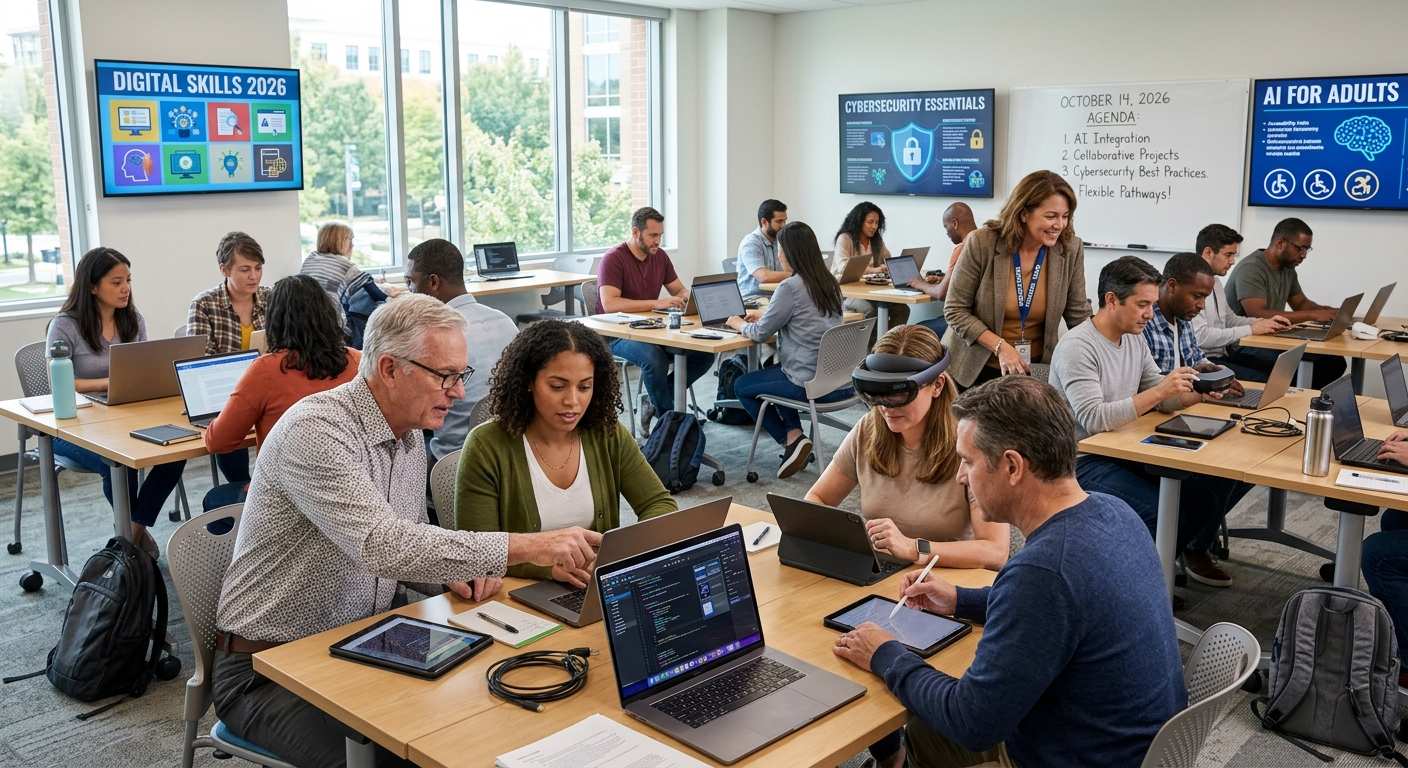
The curriculum encompasses both basic and advanced technological skills. Foundational training includes essential tasks such as typing and internet navigation, while programs expand into in-demand areas like digital communication, cybersecurity, and artificial intelligence. Adult education incorporates flexible learning options to accommodate varied schedules, utilizing online and hybrid formats, as well as immersive technologies such as virtual and augmented reality to enhance engagement.
Instructional design draws on andragogy principles, fostering self-directed learning and collaboration among peers. Competency-based education empowers learners to progress at their own pace, reinforcing skill mastery relevant to their career aspirations. These approaches account for diverse backgrounds, cognitive readiness, and motivations, ensuring that educational experiences are meaningful and effective.
Delivery Methods and Accessibility
Flexible delivery methods are critical in adult computer education to accommodate unique personal and professional schedules. Remote learning platforms enable accessibility for those unable to attend traditional classes, while blended models offer valuable in-person interactions. As of April 2026, public institutions are mandated to adhere to new digital accessibility standards under the ADA, ensuring that course materials are inclusive for all students, including those with disabilities.
Institutions must develop comprehensive policies for accessibility compliance and evaluate technology vendors to align with these standards. Such commitment to inclusivity ensures tailored learning pathways that cater to diverse learner needs, enhancing overall educational effectiveness.
Benefits and Challenges in Computer Education
Adult computer education in 2026 enhances digital literacy, fostering confidence among learners and promoting lifelong learning. By developing critical thinking, problem-solving, and adaptability to emerging technologies, these programs prepare individuals for evolving job market demands. They also help bridge the digital divide, particularly for older populations, promoting social inclusion and community engagement.
However, participants face several challenges, such as balancing life commitments and navigating technological changes. Institutional barriers remain obstacles to accessibility, despite evolving regulations mandating inclusive education. Moreover, the integration of emerging technologies like AI raises concerns about maintaining critical thinking and personal interaction. Effective persistence plans and engagement strategies are vital for supporting adult learners throughout their education journey.
Future Trends and Innovations
The future of adult computer classes will prioritize personalized and flexible learning experiences aligned with learner goals. The rise of blended learning models will continue to provide a balance of online and face-to-face interaction, enhancing access and support. Additionally, growing emphasis on individualized pathways will allow students to direct their learning towards relevant skills while adapting to their unique circumstances.
This evolution in adult education will require thoughtful integration of technology, ensuring it complements rather than replaces effective pedagogical practices. As demand increases for measurable credentials, programs offering structured, stackable learning pathways will help learners demonstrate their competencies, aiding their advancement in the competitive digital economy.
The content is provided by Jordan Fields, Know Heaven